Tea for Anxiety: How to Pick the Right One to Relax
The herbal teas most often used for anxiety and stress, what the research actually shows, and safety notes for pregnancy and medication interactions.
In this guide · 4 sections
Herbal tea won't cure anxiety, but the right cup can be a genuinely calming, low-risk part of managing everyday stress. It's inexpensive, has few side effects for most people, and the simple ritual of sitting down with a warm drink can help on its own.
Think of tea as a complement to real anxiety treatment, not a replacement for it. If anxiety is affecting your daily life, talk to a doctor or therapist about a full treatment plan that tea can support.
Herbal Teas Often Used for Anxiety
Linden (Lime Flower) Tea
Linden flower tea is a traditional remedy for nervousness and stress. It has a mild, floral flavor and is often blended with chamomile or lemon verbena.
Valerian Tea
Valerian root is one of the best-studied herbs for relaxation, with research pointing to a calming, sleep-supporting effect. Most people brew it from dried root and drink up to three cups a day.
Chamomile Tea
Chamomile is best known for digestion, but it also has a mild calming effect, especially combined with lavender.
Peppermint Tea
The menthol in peppermint acts as a mild muscle relaxant, which some people find helpful for winding down before bed.
Ginger Tea
Ginger contains vitamin B6, which plays a role in serotonin production and may support a calmer mood, though ginger tea is better thought of as a mild, general-wellness drink than a targeted anxiety remedy.
Green Tea
Green tea's L-theanine content has calming, anti-stress effects on its own, but one small human study found that caffeine and catechins in regular-strength green tea can blunt theanine's stress-lowering effect — the benefit showed up most clearly with a low-caffeine green tea, not a typical strong cup.
Passionflower Tea
Passionflower has long been used as a natural anxiolytic and mild mood lifter.
Lemon Balm Tea
Lemon balm is associated with lower anxiety and stress levels in small studies, making it a good everyday choice.
Lemongrass Tea
Lemongrass has calming properties, but it's generally recommended that pregnant or breastfeeding women avoid it, since its effects on pregnancy haven't been well studied.
Ashwagandha Tea
Used for centuries in Ayurvedic medicine, ashwagandha is associated with reduced stress and nervous exhaustion. If you have a thyroid condition or are on blood pressure medication, check with your doctor first.
Lavender Tea
Lavender is one of the most researched calming herbs, with studies pointing to soothing, anxiolytic effects. Some people also use it hoping to lower blood pressure — if you have hypertension, do this only under medical supervision rather than in place of your treatment.
Side Effects and Precautions
- Talk to your doctor first if you're considering an herbal tea alongside an anxiety treatment plan, especially if you take prescription medication — some herbal supplements can interact with medications and cause side effects.
- Drowsiness. Several of these teas (valerian, lavender, passionflower) can make you feel sleepy. Don't drive or do anything that requires alertness right after a strong cup.
- Pregnancy. Avoid lemongrass tea during pregnancy or breastfeeding, and check with your doctor before regularly drinking any new herbal tea while pregnant.
- Blood pressure. If you have low or high blood pressure, some of these herbs can have an effect — use them with medical guidance rather than as self-treatment.
You may also come across kava tea as a calming option; our guide explains why its safety profile needs more care than most herbal teas. Another herb traditionally used for stress in Ayurveda is tulsi, covered in our holy basil tea guide.
FAQ
What tea is best for anxiety?
Lavender, lemon balm, chamomile, and valerian all have some research support for reducing stress and promoting relaxation, but individual response varies.
Can tea really help with anxiety attacks?
Tea won't stop a panic attack on its own, but the ritual of slowing down, breathing, and sipping something warm can help calm the body's stress response.
Is it safe to drink herbal tea for anxiety every day?
Most of these teas are safe for daily use in normal amounts for healthy adults, but check with your doctor if you're pregnant, on medication, or managing a health condition.
The Bottom Line
Herbal tea is a low-risk, complementary way to take the edge off everyday stress. Pick a calming herb you enjoy, make it part of a daily wind-down ritual, and use it alongside, not instead of, a real anxiety treatment plan when you need one. For more relaxation-focused reading, see the best tea for stress and depression.
Free printable
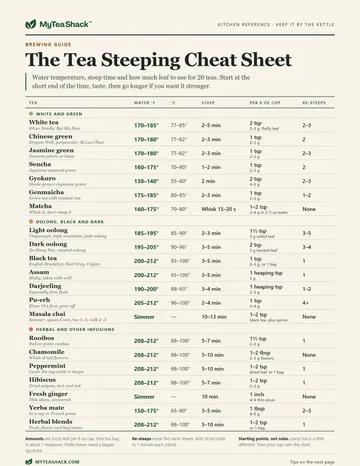
The Tea Steeping Cheat Sheet
Water temperature, steep time and how much leaf to use for 20 teas, from sencha to rooibos, on one printable page. Plus five fixes for a bitter cup.