How Many Cups of Tea per Day Is Safe to Drink?
How many cups of tea per day is considered safe, the benefits of moderate intake, and the side effects of drinking too much caffeinated tea.
In this guide · 7 sections
Most healthy adults can safely drink around 3–5 cups of tea a day. The main limiting factor isn't the tea itself but its caffeine content: Mayo Clinic puts the general ceiling at up to 400 mg of caffeine a day for most healthy adults, while ACOG recommends staying under 200 mg a day during pregnancy.
How Many Cups of Tea per Day?
All true teas, including black, green, white and oolong, come from the Camellia sinensis plant and contain caffeine; the amount depends mainly on how the leaves are processed and how long you steep them. Herbal teas like chamomile or rooibos come from other plants and are naturally caffeine-free, so they aren't subject to the same limits.
For most adults, 3–5 cups of tea a day is a reasonable target that provides potential benefits like antioxidants without pushing caffeine intake too high. Staying under about 400 mg of caffeine daily, roughly 8 cups depending on the tea, is the generally recommended ceiling.
Benefits of Drinking Tea in Moderation
Antioxidant support. Tea is rich in polyphenols, plant compounds that help the body manage oxidative stress and may support long-term health as part of a balanced diet.
Hydration. Despite containing caffeine, tea still contributes to your daily fluid intake.
Calm focus. Tea contains L-theanine, an amino acid that's been studied for its calming, non-drowsy effect on focus and mood, especially alongside caffeine.
Side Effects of Drinking Too Much Tea
Reduced iron absorption. Tannins in tea can significantly interfere with the absorption of non-heme iron (the type found in plant foods) when tea is drunk with a meal, though the effect is much smaller between meals. If you're managing iron-deficiency anemia, it helps to drink tea between meals rather than with them.
Sleep and anxiety issues. Above roughly 400 mg of caffeine, many people notice restlessness, trouble sleeping or increased anxiety. Caffeine sensitivity varies a lot from person to person.
Digestive discomfort. Tannins can cause stomach upset or nausea in people who are sensitive to them, particularly on an empty stomach.
Increased bleeding risk. In large amounts, tea's effect on the clotting system can slightly raise bleeding risk, which matters most for people on blood thinners.
Medication interactions. Compounds in tea called catechins can reduce how much of certain heart and blood pressure medications your body absorbs — research on green tea has shown this effect with drugs like the beta-blocker nadolol. If you take prescription medication, ask your doctor whether you need to space out your tea intake.
How Much Caffeine Is in Different Teas?
| Tea type | Caffeine per 8 oz cup (approx.) |
|---|---|
| Black tea | 40–80 mg |
| Oolong tea | 30–50 mg |
| Green tea | 25–40 mg |
| White tea | 10–40 mg (young buds can be higher) |
| Herbal tea | 0 mg |
Figures vary by brand, leaf grade and steep time, so treat these as general ranges rather than exact numbers.
Who Should Limit Tea Intake
- Pregnant women are generally advised by ACOG to stay under 200 mg of caffeine a day; talk to your doctor about what's right for you.
- People with iron-deficiency anemia may want to limit tea, especially around meals.
- Anyone with a caffeine sensitivity or a heart rhythm condition should keep intake modest and monitor how they feel.
Related: the health benefits of drinking tea in general.
FAQ
Is 4 cups of tea a day too much?
For most healthy adults, no. Four cups of most teas keeps you well under typical caffeine limits, though individual tolerance varies.
Can you drink tea instead of water?
Tea contributes to hydration, but it shouldn't fully replace plain water, especially since caffeinated tea has a mild diuretic effect for some people.
Does tea affect sleep like coffee does?
It can, especially caffeinated black or green tea consumed later in the day. If sleep is a concern, switch to a caffeine-free herbal tea in the evening, such as one of these teas to help you sleep.
The Bottom Line
Tea is a healthy drink for most people at moderate amounts, roughly 3–5 cups a day, but like any caffeinated beverage, more isn't automatically better. Pay attention to your own caffeine sensitivity, and check with your doctor if you're pregnant, on medication or managing a health condition.
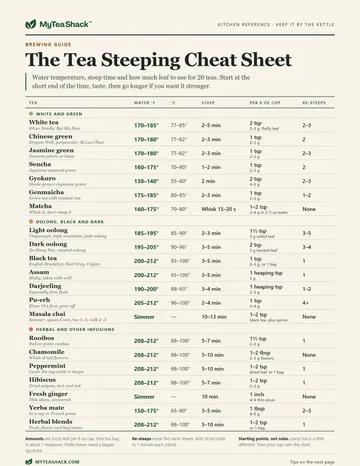
Free printable
The Tea Steeping Cheat Sheet
Water temperature, steep time and how much leaf to use for 20 teas, from sencha to rooibos, on one printable page. Plus five fixes for a bitter cup.