Rose Tea Benefits: A Fragrant, Soothing Herbal Brew
What rose tea is, its possible benefits for digestion, skin and stress, its nutrients, and how to brew a cup of this floral herbal tea at home.
In this guide · 7 sections
Rose tea is a fragrant herbal infusion made from dried rose petals, enjoyed for its delicate floral aroma as much as for its potential health benefits, from supporting digestion to offering a calming, caffeine-free ritual.
Origins of Rose Tea
Rose tea's history stretches back thousands of years, likely originating in ancient Persia, where roses were prized for their beauty and fragrance and used in perfumes, cooking, and traditional remedies. From there it spread to China, India, and the Middle East, where it became part of traditional medicine practices and cultural rituals alike.
Nutrients in Rose Tea
Rose petals naturally contain vitamin C along with smaller amounts of other vitamins and minerals. Vitamin C is an antioxidant that supports immune function and collagen production, which is part of why rose tea is often associated with skin health. The tea also contains polyphenols and flavonoids, plant compounds with antioxidant, anti-inflammatory and antimicrobial properties — most of this research comes from rose extracts and oils rather than brewed tea specifically.
Potential Benefits of Rose Tea
Digestive Comfort
Rose tea has been used traditionally to soothe an upset stomach and ease mild bloating or indigestion. Its tannins may have a mild astringent effect on the digestive tract, though there's limited clinical research specifically on rose tea for this purpose.
Antioxidant Support
Like many herbal teas, rose tea's vitamin C, polyphenols, and flavonoids may help the body manage oxidative stress from free radicals. This is a general benefit shared by many plant-based teas rather than something unique to rose.
Skin Hydration
Because rose tea is mostly water, drinking it can contribute to your daily hydration, which supports healthy-looking skin. Its antioxidants may also play a small supporting role, though a good skincare routine and diet matter more.
Relaxation
Rose tea's aroma and warmth make it a pleasant part of a wind-down routine. Many people find warm herbal teas generally soothing, and rose tea's gentle floral scent adds to that calming ritual, similar to other teas to relax.
Side Effects and Precautions
Rose tea is considered safe for most people when brewed from culinary-grade dried rose petals. A few notes:
- Allergies: if you're allergic to roses or related plants, avoid rose tea.
- Pregnancy: there isn't strong safety research specific to rose tea during pregnancy, so check with your doctor before making it a regular habit.
- Blood pressure or cholesterol claims: some sources suggest rose tea may support heart health, but the evidence specific to rose tea is limited — it shouldn't replace prescribed treatment for high blood pressure or cholesterol.
How to Make Rose Tea
- Use about a handful of fresh or dried culinary rose petals per cup of water (make sure they're pesticide-free and meant for consumption).
- Bring water to a near boil, then pour over the petals.
- Steep for 5–10 minutes, depending on how strong you like it.
- Strain and add honey or lemon if desired.
If you like floral teas, try cherry blossom tea or butterfly pea flower tea next.
FAQ
What is rose tea good for?
Rose tea is mainly valued for its calming aroma and possible support for digestion and skin hydration, alongside general antioxidant benefits shared by many herbal teas.
Is rose tea safe to drink every day?
Yes, for most people a cup or two a day is fine. Check with your doctor first if you're pregnant, breastfeeding, or allergic to roses.
Can rose tea help you lose weight?
There's no strong evidence that rose tea specifically causes weight loss. It's better viewed as a low-calorie, caffeine-free beverage that can fit into a healthy routine rather than a weight-loss tool on its own.
The Bottom Line
Rose tea is a gentle, fragrant herbal brew that's easy to enjoy daily and may offer modest support for digestion, hydration, and relaxation. Like most herbal teas, its benefits are best treated as a pleasant complement to a healthy lifestyle rather than a treatment for any condition. Looking for something to start the day with instead? Check out our picks for the best morning teas or browse other flowering teas worth trying.
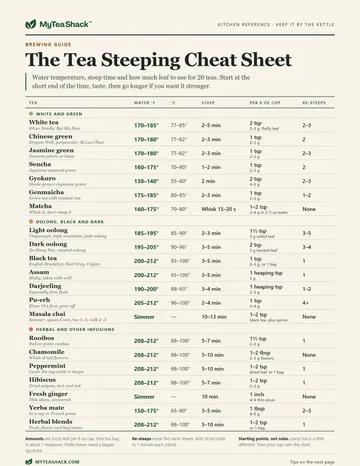
Free printable
The Tea Steeping Cheat Sheet
Water temperature, steep time and how much leaf to use for 20 teas, from sencha to rooibos, on one printable page. Plus five fixes for a bitter cup.