Pros and Cons of Rooibos Tea: The Complete, Simple List
The real pros and cons of rooibos tea, from its antioxidant content and caffeine-free profile to estrogenic activity and drug interactions to watch for.
We may earn a commission when you buy through links in this guide, at no extra cost to you. How we make money.
In this guide · 6 sections
Rooibos isn't technically a tea — it's an herbal infusion made from the South African red bush plant, Aspalathus linearis, not the Camellia sinensis plant that produces true tea. That means it's naturally caffeine-free, but it still comes with a real list of pros and cons worth knowing before you make it a daily habit.
What Is Rooibos Tea?
Rooibos gets its reddish color and name (Afrikaans for "red bush") from the fermentation of the plant's needle-like leaves. Unfermented "green rooibos" is also available and tends to have a milder, grassier flavor with slightly higher antioxidant levels.
Pros of Rooibos Tea
Rich in antioxidants. Rooibos contains flavonoids, vitamin C, and other antioxidant compounds that help the body counter oxidative stress, a process linked to cellular aging and several chronic conditions.
May support skin health. Some research suggests rooibos's antioxidant compounds may help protect skin from oxidative damage, though most of this evidence comes from topical or lab studies rather than drinking the tea.
May support heart health and blood sugar. In a small human trial in adults at risk for cardiovascular disease, six weeks of daily rooibos was linked to lower LDL ("bad") cholesterol and higher HDL ("good") cholesterol, and other small studies report short-term drops in blood glucose after drinking rooibos. A systematic review of this research concludes the evidence is still limited by the small number and size of studies, so it shouldn't replace prescribed heart health or diabetes treatment.
Gentle on digestion. Rooibos has traditionally been used in South Africa as a mild remedy for colic and stomach upset, and its flavonoids may have a calming effect on the digestive tract.
Caffeine-free. Because it isn't made from the tea plant, rooibos contains no caffeine, making it suitable any time of day, including before bed.
Bone and dental minerals. Rooibos contains small amounts of fluoride, calcium, and manganese, minerals that play a role in bone and dental health, though tea alone isn't a substitute for a balanced diet.
May support relaxation. The magnesium and flavonoid content, along with the absence of caffeine, makes rooibos a popular choice for winding down in the evening.
Cons and Precautions
Estrogenic activity. Compounds isolated from rooibos leaves have shown estrogenic activity in lab studies. If you have a hormone-sensitive condition, such as a history of breast cancer, talk to your doctor before drinking rooibos regularly.
Liver enzymes. A small number of case reports have linked heavy, long-term rooibos consumption to elevated liver enzymes and, rarely, more serious liver injury. This appears to be uncommon at normal serving sizes, but anyone with existing liver concerns should check with a doctor and drink in moderation.
Possible drug interactions. Rooibos can affect liver enzymes that metabolize certain drugs, and there's a documented case of high-volume rooibos intake lowering blood levels of the transplant drug tacrolimus. Rooibos may also interfere with the action of certain chemotherapy drugs. If you're on prescription medication, especially cancer treatment or an organ-transplant drug, ask your doctor before adding rooibos to your routine.
Long-term data is limited. Rooibos has been consumed safely for generations, but well-controlled long-term studies in humans are still limited, so it's best enjoyed in moderation rather than as a cure-all.
How to Make Rooibos Tea
- Steep 1 tea bag or 1 teaspoon of loose rooibos in hot water for 5–7 minutes. Unlike true teas, rooibos won't turn bitter from a longer steep.
- Enjoy plain, or add a squeeze of lemon or a little honey.
- For iced rooibos, brew it double-strength, cool, and pour over ice with a slice of lemon or a sprig of mint.
FAQ
Is rooibos tea good or bad for you?
For most healthy adults, moderate rooibos consumption is considered safe and offers antioxidants without caffeine. People with hormone-sensitive conditions, liver issues, or who are on medication should check with a doctor first.
Does rooibos tea have side effects?
Rare reports link heavy consumption to elevated liver enzymes and mild estrogenic effects. It's not known to cause common side effects at normal serving sizes.
Can I drink rooibos every day?
Yes, for most people one to three cups a day is a reasonable amount, though anyone with a medical condition or on medication should get personalized advice.
The Bottom Line
Rooibos is a caffeine-free, antioxidant-rich infusion with a solid list of potential benefits and a short list of precautions worth taking seriously if you have a hormone-sensitive condition, liver issues, or take medication. For a comparison with other caffeine-free options, see our guide to caffeine-free tea, or if you're watching your blood pressure, check out herbal teas and blood pressure.
Organic rooibos tea, like the loose-leaf rooibos from Buddha Teas, is a simple way to try it.
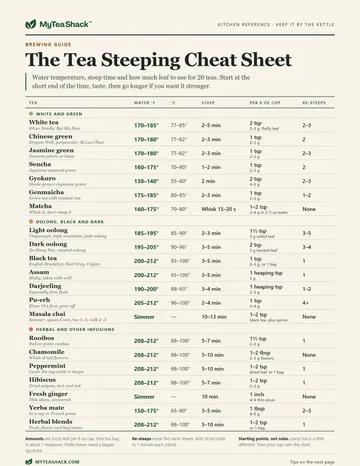
Free printable
The Tea Steeping Cheat Sheet
Water temperature, steep time and how much leaf to use for 20 teas, from sencha to rooibos, on one printable page. Plus five fixes for a bitter cup.