Palo Azul Tea: Benefits, Side Effects and How to Make It
What palo azul tea is, what research says about its potential benefits, side effects to watch for, and how to brew it safely at home.

In this guide · 7 sections
Palo azul is an herbal tea made from the bark of Eysenhardtia polystachya, a small tree native to Mexico and Central America. It's known for the pale blue tint it takes on when brewed, and for a long history of use in traditional Mexican herbal medicine. Here's what it is, what the evidence actually says, and how to brew it.
What Is Palo Azul?
Palo azul (also called kidneywood) is a shrub whose bark is dried and simmered into a mild, slightly sweet tea. The name means "blue stick" in Spanish, a nod to the blue-tinted glow the water takes on under light once the bark's compounds dissolve.
The tea contains flavonoids, plant compounds with antioxidant activity. Indigenous communities in Mexico have used it for generations, traditionally for urinary and kidney complaints. That traditional use now has some early animal-study support: in rodent models, bark extract reduced markers of kidney damage and supported antioxidant activity in the kidneys, and a separate extract showed anti-inflammatory and pain-reducing effects in murine arthritis models. These are animal and lab findings, not human trials, so they support the traditional use without confirming it works the same way in people.
Potential Benefits of Palo Azul Tea
- Antioxidant activity. The flavonoids in palo azul can help neutralize free radicals in lab studies, which is associated with lower oxidative stress in the body.
- Mild diuretic effect. Palo azul is traditionally used to increase urine output, which is why it has long been paired with urinary tract support.
- Relaxation. Many people find the tea calming, likely tied to its low-key ritual as much as any specific compound; early research on related plant compounds suggests a mild soothing effect.
Claims that palo azul "detoxes" the kidneys, dissolves kidney stones, or cures urinary tract infections go beyond what the evidence supports — the research above is limited to animal models. If you have a kidney condition, a UTI, or are trying to manage kidney stones, talk to a doctor rather than relying on herbal tea alone.
How to Make Palo Azul Tea
- Bring 4 cups of water to a boil.
- Add about 2 ounces (roughly 56 g) of palo azul bark.
- Reduce heat and simmer for 20–30 minutes — the water should turn a pale blue.
- Remove from heat and let it cool slightly.
- Strain out the bark and discard it.
- Drink warm, or refrigerate and enjoy cold.
Most people drink one to two cups a day rather than several; more isn't necessarily better; see the precautions below.
Where to Buy Palo Azul
Palo azul isn't as widely stocked as chamomile or green tea, so check the label before buying: you want dried bark pieces or a bark-only bag, not a blend padded out with fillers. It shows up under a few names — palo azul, kidneywood, lignum nephriticum, or Eysenhardtia polystachya — so search all four if a store's search box comes up empty. Latin grocery stores and herbal shops that carry Mexican remedios often carry it loose by the ounce, which is the cheapest way to buy it since you're only paying for bark, not packaging.
Side Effects and Precautions
- Dehydration risk. Because palo azul has a diuretic effect, drink water alongside it and avoid overdoing it.
- Allergic reactions. As with any new herb, start with a small amount and watch for rash, itching, or stomach upset.
- Pregnancy and breastfeeding. There isn't enough safety data on palo azul in pregnancy, so talk to your doctor before drinking it if you're pregnant or nursing.
- Medication interactions. If you take diuretics or medication for kidney or blood pressure conditions, check with your doctor before adding palo azul to your routine.
- Sourcing. Buy bark from a reputable herbal tea supplier so you know what you're actually brewing.
FAQ
What does palo azul taste like?
Mild and slightly sweet, with a faint woody note. Most people drink it plain.
What does "palo azul" mean in English, and what is it used for (¿para qué sirve?)
"Palo azul" translates to "blue stick," named for the pale blue tint the water takes on as it steeps. In traditional Mexican herbal use it's prepared for urinary and kidney support — para los riñones y las vías urinarias — though as noted above, that use is backed mainly by animal studies, not human clinical trials.
Can palo azul help pass a drug test?
No. There's no scientific evidence that any herbal tea, including palo azul, affects drug test results. This claim spreads mostly through online forums and social media rather than any lab or clinical data; NIDA doesn't list palo azul or any tea as a way to alter a drug test, and relying on one isn't safe or reliable.
How often can I drink palo azul tea?
One to two cups a day is a common amount in traditional use. Because of its diuretic effect, more isn't automatically better.
Is palo azul safe for kidney stones?
Some traditional use ties palo azul to urinary tract support, but it isn't a treatment for existing kidney stones. See a doctor for diagnosis and treatment.
The Bottom Line
Palo azul is a mild, traditional herbal tea with a reasonable safety profile for most healthy adults in moderate amounts, and some early evidence for antioxidant and mild diuretic effects. It isn't a cure or a detox for your kidneys, so treat it as a pleasant addition to your routine rather than a medical treatment, and check with a doctor if you're pregnant, nursing, or managing a kidney condition.
If you're building out a herbal tea routine, you might also like our guides to tea for kidney health, herbal teas for blood pressure, and teas that help you relax.
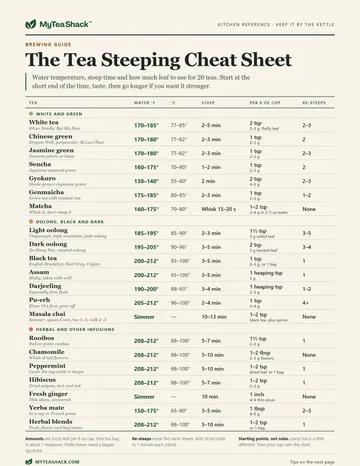
Free printable
The Tea Steeping Cheat Sheet
Water temperature, steep time and how much leaf to use for 20 teas, from sencha to rooibos, on one printable page. Plus five fixes for a bitter cup.