Ginger Turmeric Tea: Benefits, How to Make It, Precautions
What ginger turmeric tea may do for your health, how to brew it at home, and who should be careful with it.

In this guide · 6 sections
Ginger turmeric tea combines two roots long used in traditional medicine, and it's easy to make at home. Here's what the research actually says about it, how to brew it, and who should be cautious with it.
What's in Ginger and Turmeric
Ginger and turmeric are both rhizomes with a similar shape but different color and flavor: ginger is pale yellow with a sharp, spicy bite, while turmeric is deep orange with an earthier taste.
Ginger contains gingerols and shogaols, along with fiber, manganese, and several B vitamins. Turmeric's standout compound is curcumin, alongside fiber, iron, potassium, and vitamins E and K.
Potential Benefits of Ginger Turmeric Tea
Research on both ingredients is ongoing, and most human studies are small, but early findings are promising:
- Digestion. Ginger has long been used to ease nausea, bloating, and indigestion, and turmeric may help stimulate digestive secretions.
- Inflammation. Both roots contain compounds (gingerol and curcumin) that are associated with reduced inflammation markers in some studies, which may help with everyday joint or muscle discomfort.
- Immune support. Ginger and turmeric both have antioxidant properties that may support general immune function.
- Heart health. Some research has looked at turmeric and cholesterol, but NCCIH notes the evidence for lipid-related benefits is still insufficient to draw firm conclusions, so more human trials are needed.
- Circulation. Ginger is associated with modestly improved blood flow in some studies.
These are associations from early or small-scale research, not proven cures — talk to your doctor before using either root to manage a diagnosed condition.
Side Effects and Precautions
Ginger turmeric tea is generally well tolerated in normal food amounts, but a few groups should be careful:
- Pregnancy or breastfeeding: talk to your doctor before regular use.
- Kidney conditions or a history of kidney stones: turmeric may increase the risk of kidney stones in people prone to them because of its oxalate content; ask your doctor first if you have a personal or family history of kidney stones.
- Blood thinners: turmeric may increase bleeding risk in people taking anticoagulant medication, so check with your doctor before regular use.
- Low blood sugar (hypoglycemia): both roots may affect blood sugar levels.
- Children under 3.
- Drinking more than a cup or two a day may cause stomach upset or diarrhea in some people.
How to Make Ginger Turmeric Tea
Basic recipe
- 6–7 thin slices of fresh ginger
- 2 cubes of fresh turmeric root, or 2 teaspoons turmeric powder
- Juice of 1 lemon
- 2 tablespoons honey
- 2 cups water
Steps
- Divide the ginger, turmeric, and lemon juice between two cups.
- Heat the water until just boiled and pour it over the ingredients.
- Let it steep for a few minutes.
- Stir in honey to taste and enjoy.
Ginger, Turmeric, Cinnamon, and Lemon Variation
- 1 teaspoon turmeric powder
- 1 cup grated ginger
- 2 cinnamon sticks
- Juice of 1 lemon
- 2 cups water
- Honey, to taste
Combine the ginger, cinnamon, and turmeric with water, and simmer on low heat for 10 minutes. Strain into a cup, then stir in the lemon juice and honey.
Curious about ginger on its own? Here's what the evidence says about ginger tea and blood pressure.
FAQ
When is the best time to drink ginger turmeric tea?
Many people prefer it on an empty stomach, about 30 minutes before breakfast, though there's no strict rule — drink it whenever it fits your routine.
How much ginger turmeric tea can I drink per day?
One to two cups a day is a reasonable amount for most healthy adults. If you're pregnant, nursing, or managing a medical condition, check with your doctor first.
Does ginger turmeric tea help with weight loss?
There's no strong evidence that it causes weight loss on its own, though its potential digestive benefits may support an otherwise healthy diet.
The Bottom Line
Ginger turmeric tea is a warming, easy-to-make drink with real (if still emerging) research behind some of its digestive and anti-inflammatory effects. Enjoy it as part of a balanced diet, and check with a doctor first if you're pregnant, have kidney issues, or take medication regularly.
Looking for more herbal options? Try our guides to turmeric tea benefits and how to make it, lemon ginger tea, or teas for bloating and indigestion.
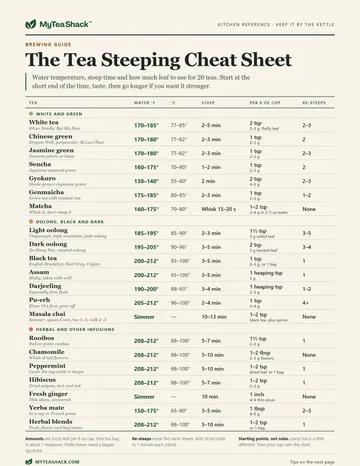
Free printable
The Tea Steeping Cheat Sheet
Water temperature, steep time and how much leaf to use for 20 teas, from sencha to rooibos, on one printable page. Plus five fixes for a bitter cup.