Burdock Root Tea: Benefits, Side Effects and How to Make It
What burdock root tea is, what its antioxidants may do, possible side effects and precautions, and a simple recipe to brew it at home.

We may earn a commission when you buy through links in this guide, at no extra cost to you. How we make money.
In this guide · 6 sections
Burdock root tea is an herbal infusion made from the root of Arctium lappa, a plant traditionally used in folk remedies across Europe and Asia. It's valued mainly for its antioxidant content, though most of its traditional uses haven't been confirmed in large human studies.
What's in Burdock Root?
Burdock root contains a mix of plant compounds, including quercetin, luteolin, and phenolic acids, along with several B vitamins, vitamin C, and vitamin E. These nutrients support normal metabolism and are part of why the root has a long history as a folk remedy for skin and digestive complaints.
Potential Benefits of Burdock Root Tea
- Antioxidant support. Burdock's phenolic compounds and flavonoids may help neutralize free radicals, similar to many other herbal teas.
- Digestive support. Traditionally, burdock has been used to stimulate appetite and digestion; some small studies suggest mild effects on digestive comfort, though more research is needed.
- Skin health. Burdock is a popular ingredient in traditional skin-care folk remedies, often described as a "purifying" herb, though there's limited clinical evidence for specific skin outcomes.
- Blood sugar. A small study cited by Memorial Sloan Kettering's About Herbs database found that burdock improved post-meal blood glucose and lipid metabolism in patients with diabetic kidney disease, but this is a single, limited study and not a substitute for diabetes treatment or monitoring.
These are traditional and early-research uses, not medical claims — burdock root tea does not cure, treat, or prevent any disease.
Side Effects and Who Should Avoid It
- Pregnancy and breastfeeding: Memorial Sloan Kettering's About Herbs database warns that burdock may stimulate the uterus and increase the risk of premature delivery, so it should be avoided during pregnancy unless your doctor says otherwise.
- Blood pressure or heart conditions: Burdock is traditionally described as having a mild diuretic effect; if you have hypertension, a heart condition, or take diuretics or blood pressure medication, talk to your doctor before regular use, since this hasn't been well studied specifically for burdock tea.
- Kidney or liver conditions, or a history of kidney stones: There's no solid clinical evidence that burdock treats or prevents kidney problems, and if you have an existing kidney or liver condition, check with your doctor before use.
- Allergies: Burdock belongs to the same plant family as ragweed and chrysanthemums; people allergic to those plants may react to burdock as well.
If you're taking any prescription medication, especially for blood pressure, diabetes, or heart rhythm, ask your doctor before adding burdock root tea to your routine.
How to Make Burdock Root Tea
- Use about 1 teaspoon of dried burdock root per cup (250 ml) of water.
- Bring water to a boil, add the root, and simmer, covered, for 3–5 minutes.
- Remove from heat and let steep for another 10–15 minutes.
- Strain and serve. Add honey if you'd like to soften its earthy flavor.
If you want to try it, organic burdock root tea from Buddha Teas is one option for good-quality dried root.
Burdock often shows up in blends sold as cleansing teas; our guide covers what those blends usually contain and what to watch for. Related guides: pau d'arco tea and teas for liver cleansing.
FAQ
Is burdock root tea good for you?
It contains antioxidants and nutrients that may offer modest health support, but it isn't a cure for any condition. Treat it as a traditional herbal tea rather than a medical treatment.
Can burdock tea help with kidney stones?
There isn't solid clinical evidence that burdock tea prevents or treats kidney stones. If you have a history of kidney stones, talk to a doctor about evidence-based prevention strategies.
Is it safe every day?
Most healthy adults can drink burdock root tea occasionally without issue, but daily long-term use should be discussed with a doctor, especially if you have any chronic condition or take medication.
The Bottom Line
Burdock root tea is a mild, antioxidant-rich herbal infusion with a long folk history, but its more ambitious traditional claims — treating kidney stones, urinary infections, or blood pressure — aren't well supported by research. Enjoy it as part of a varied diet, and check with your doctor first if you're pregnant, have a chronic condition, or take medication.
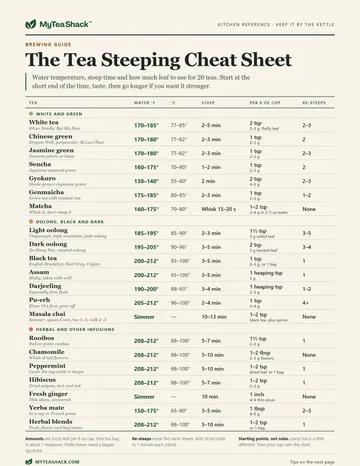
Free printable
The Tea Steeping Cheat Sheet
Water temperature, steep time and how much leaf to use for 20 teas, from sencha to rooibos, on one printable page. Plus five fixes for a bitter cup.