8 Best Teas to Relax Muscles and Soothe Soreness
Sore or tense muscles? These 8 herbal teas may help you relax, plus what causes muscle tension and other ways to speed up recovery.
We may earn a commission when you buy through links in this guide, at no extra cost to you. How we make money.
In this guide · 7 sections
Muscle tension and soreness are common after an intense workout, a long day at a desk, or ongoing stress. Massages, a balanced diet, and lifestyle changes can all help, and some herbal teas are traditionally used alongside those habits to support relaxation.
Muscle relaxant medications are typically used for more serious muscle tension, spasms, or conditions that limit range of motion in the back, neck, or hips. The herbal teas below are much milder and work best for everyday soreness, not as a substitute for medical treatment if you have a serious muscle or joint condition.
8 Teas That May Help Relax Muscles
Chamomile Tea
Chamomile contains a compound called apigenin, which affects neurotransmission in the central nervous system and is associated with a calming effect. It's traditionally used for anxiety and insomnia, and its antispasmodic, anti-inflammatory properties may also help ease muscle tension and headaches. Steep it for about 5 minutes in hot water.
Valerian Tea
Known as the "sleep herb," valerian contains compounds thought to reduce anxiety and support sleep, which may help with muscle tension tied to stress. Brew 1 tablespoon of dried valerian root in hot water for 5–10 minutes. It has shown antispasmodic activity in research and helped ease menstrual cramps in a small clinical study, but there isn't good evidence it relieves general workout-related muscle soreness (Memorial Sloan Kettering, About Herbs: Valerian) — it's more reliably used to support the sleep that muscle repair happens during.
Passionflower Tea
Passionflower contains phytosterols and flavonoids with antioxidant and mildly relaxing effects. It's traditionally used for insomnia and is sometimes applied topically as an oil for muscle relaxation, in addition to being brewed as tea.
Rosemary Tea
Rosemary has been used for centuries as a natural relaxant, in addition to its more familiar culinary uses. Boil water with rosemary leaves, strain, and add honey to taste.
Turmeric Tea
Turmeric's active compounds have anti-inflammatory properties, and combining it with ginger is a common approach for easing exercise-related soreness and joint discomfort, including in people with arthritis.
Hops Tea
The compound lupulin in hops is associated with a calming effect on the nervous system, which may help with muscle spasms and general tension in addition to easing insomnia and digestive discomfort.
Lavender Tea
Lavender has a well-documented calming effect and is rich in antioxidants, which may help ease muscle tension tied to stress. Like most herbal remedies, it works best with consistent use rather than as an immediate fix.
Flaxseed Tea
Flaxseed is a good source of fiber and omega-3 fatty acids, and its anti-inflammatory properties may support muscle recovery after exercise, along with general joint health.
What Causes Muscle Pain and Tension
Muscle soreness commonly comes from poor posture, staying in one position too long, lifting incorrectly, overuse or intense exercise (tiny muscle micro-tears cause the delayed-onset soreness that fades as muscles adapt), or an injury like a strain or sprain. Stress and anxiety can also show up as physical muscle tension, particularly in the neck and shoulders. A muscle cramp is a sudden, sharp contraction that can last seconds to minutes; a partial or full muscle tear causes sharper, longer-lasting pain and limited movement and needs medical attention, not just tea.
Other Ways to Ease Sore Muscles
- Ice first, then heat. Apply ice for 15–20 minutes at a time in the first 48 hours after intense activity to reduce inflammation, then alternate to heat (or a contrast shower) to improve blood flow and speed recovery.
- Rest and light activity. Give sore muscles at least a day to recover before repeating the same intense routine, and favor light activity like walking or gentle stretching over complete inactivity.
- Eat enough protein. Muscles need protein, along with carbohydrates and fats, to repair themselves after exercise.
- Stay hydrated. Dehydration can make cramps and muscle tightness worse.
Should You Stretch Before or After Exercise?
Research reviewing dozens of studies has found that static stretching right before intense exercise can actually reduce muscle strength and power slightly, at least temporarily. A better approach is a dynamic warm-up before training and static stretching after your workout, when muscles are already warm.
Side Effects and Precautions
St. John's Wort, sometimes included in muscle-relaxing tea blends, has significant interactions with antidepressants and birth control pills, and can weaken other medications — don't use it without talking to your doctor if you take any of these. Valerian and passionflower can cause drowsiness, so avoid driving after a strong dose, and check with your doctor before combining any of these teas with sedatives or sleep medication.
Related guides: teas to drink before a workout and the best teas for athletes.
FAQ
What tea is good for muscle cramps?
Valerian root tea is often used for cramping because of its antispasmodic properties, though rest, hydration, and stretching remain the most reliable ways to ease a cramp.
What is the best tea for sore muscles after a workout?
Turmeric and ginger tea are popular choices for exercise-related soreness because of their anti-inflammatory properties, while chamomile or valerian can help if tension is keeping you from sleeping.
Can herbal tea replace a muscle relaxant medication?
No. These teas are much milder than prescription muscle relaxants and are best for everyday tension, not serious muscle spasms or medical conditions — talk to your doctor if soreness is severe or persistent.
Is it safe to drink these teas every day?
Most are fine in moderate daily amounts for healthy adults, but check with your doctor first if you're pregnant, take medication, or have a chronic condition.
The Bottom Line
Herbal teas like chamomile, valerian, turmeric, and rosemary may offer some relief from everyday muscle tension, especially when paired with rest, hydration, and good posture. For more, check out tea for arthritis pain if joint discomfort is part of the picture, or teas for migraines for tension headaches.
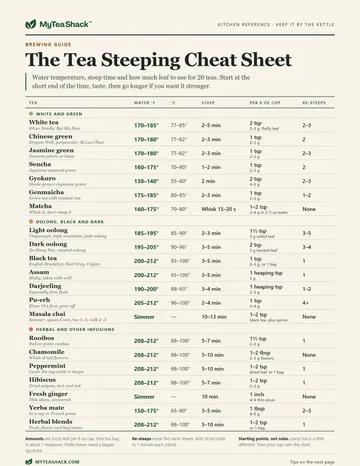
Free printable
The Tea Steeping Cheat Sheet
Water temperature, steep time and how much leaf to use for 20 teas, from sencha to rooibos, on one printable page. Plus five fixes for a bitter cup.