Best Tea for Arthritis Pain: 5 Types to Try
Green, black, white, ginger and turmeric tea may ease arthritis pain and stiffness. See what the research says and how to brew each one.

In this guide · 4 sections
Arthritis pain and stiffness can make everyday movement harder, and many people look for natural ways to take the edge off alongside their medical treatment. Several teas contain antioxidants and plant compounds that are associated with lower inflammation, and a few types stand out in early research.
Best Teas for Arthritis Pain
Green Tea
Green tea is rich in polyphenols, a group of antioxidants studied for their potential to reduce inflammation. A large real-world study of people with rheumatoid arthritis found tea consumption was associated with lower disease activity, though this is observational evidence, not proof that tea itself reduces symptoms, and more controlled human studies are needed.
Black Tea
Black tea contains theaflavins, antioxidants found in higher concentrations than in green, white or oolong tea. Its caffeine content has also been studied for anti-inflammatory activity, which may contribute to easing arthritis-related discomfort. See how it compares to green tea in black tea vs. green tea.
White Tea
White tea is made from the young buds and leaves of the Camellia sinensis plant and is naturally lower in caffeine than black or green tea, which makes it a good option if you're cutting back on caffeine. Its polyphenols and flavonoids have antioxidant and anti-inflammatory properties that early studies associate with reduced joint inflammation.
Ginger Tea
Ginger contains gingerol, a compound with anti-inflammatory and antioxidant activity (NCCIH). A meta-analysis of clinical trials found ginger modestly effective for knee osteoarthritis pain, with a safety profile similar to or better than over-the-counter pain relievers, though it hasn't been studied as thoroughly for rheumatoid arthritis. Add honey or a squeeze of lemon if you want a milder flavor.
Turmeric Tea
Turmeric's active compound, curcumin, is one of the most studied natural compounds for joint discomfort, but NCCIH notes there still isn't enough high-quality evidence to say for certain that it helps inflammatory conditions — treat it as a complementary habit rather than a proven treatment. To brew it, simmer two teaspoons of fresh or powdered turmeric in a cup of water, then add honey to taste. A pinch of black pepper increases curcumin absorption. See our how to make turmeric tea guide for more detail, or try it blended with ginger in our ginger turmeric tea recipe.
Side Effects and Precautions
- These teas are a complement to treatment, not a replacement for medication prescribed by your doctor.
- High intakes of caffeinated teas (green, black) can affect sleep or interact with blood thinners; ask your doctor if you take medication for arthritis or any other condition.
- Turmeric in large amounts can interact with blood thinners, may upset the stomach, and highly concentrated supplement forms have been linked to liver problems in some people (NCCIH).
- Talk to your doctor before adding any of these teas regularly if you're pregnant, nursing, or managing a chronic condition.
FAQ
Can tea cure arthritis?
No. Tea cannot cure, treat or reverse arthritis. Some varieties are associated with less inflammation and pain in early studies, but they work alongside medical care, not instead of it.
How much tea should I drink for joint pain?
Most of the research cited above used two or more cups a day. Start with one or two cups and see how your body responds, keeping an eye on your total caffeine intake.
Which tea has the most anti-inflammatory compounds?
Turmeric tea has the highest concentration of curcumin, one of the most studied anti-inflammatory plant compounds, followed by green tea's polyphenols.
The Bottom Line
Green, black, white, ginger and turmeric tea each bring antioxidant and anti-inflammatory compounds that may help take the edge off arthritis discomfort. None of them replace a doctor's care, so use them as a gentle daily habit alongside your treatment plan. For more brewing tips, see our guide on how to brew herbal tea.
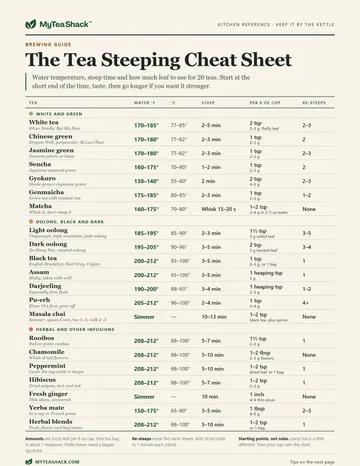
Free printable
The Tea Steeping Cheat Sheet
Water temperature, steep time and how much leaf to use for 20 teas, from sencha to rooibos, on one printable page. Plus five fixes for a bitter cup.