Best Teas for Acid Reflux: Home Remedies That May Help
Which teas may ease acid reflux and heartburn symptoms, how to prepare them, and which ones to avoid if reflux is a problem for you.

In this guide · 6 sections
Acid reflux, which causes heartburn and an upset stomach, affects millions of people. NIDDK estimates that about one in five American adults has GERD. Some caffeine-free herbal teas may help ease occasional symptoms, though persistent or severe reflux should be evaluated by a doctor.
Most teas are mildly acidic, though less so than coffee, soda or fruit juice. Black tea sits around pH 4.9, while ginger and mint lean more alkaline and tend to be gentler on the stomach for people prone to reflux.
Teas That May Help With Acid Reflux
Ginger Tea
Ginger is one of the most commonly used remedies for digestive discomfort. It may help calm the stomach and support normal digestion. To make it, simmer a few slices of fresh ginger root in water for 10–15 minutes, strain, and add honey if you like.
Chamomile Tea
Chamomile is a gentle, caffeine-free herbal tea often used to soothe the stomach and support relaxation, which can help if stress contributes to your symptoms.
Licorice Root Tea (DGL)
Deglycyrrhizinated licorice (DGL) tea is sometimes used to help soothe the digestive tract lining. Look specifically for DGL — regular licorice root contains glycyrrhizic acid, and research shows even modest daily amounts can measurably raise blood pressure within a couple of weeks.
Fennel Tea
Fennel is a traditional remedy for gas and bloating, and some people use it to help calm symptoms associated with GERD.
Papaya Leaf Tea
Papaya leaf tea is caffeine-free and contains papain, an enzyme that may support protein digestion and ease general stomach discomfort.
Teas to Approach With Caution
Caffeinated teas can relax the muscle that keeps stomach acid from moving back into the esophagus, which may make reflux worse for some people:
- Green tea, black tea and oolong tea all contain caffeine and are acidic, so some people with reflux find they trigger symptoms, while others tolerate them fine. If you notice a pattern, it's worth cutting back or switching to a caffeine-free option.
- Peppermint tea, while soothing for general digestion, can worsen reflux in some people; Memorial Sloan Kettering notes that people with gastroesophageal reflux disease should check with a doctor before using peppermint regularly, since it can relax the same muscle that keeps stomach acid down.
Other Habits That Help
- Eating smaller meals and not lying down right after eating
- Avoiding trigger foods like spicy, fatty or acidic meals close to bedtime
- Staying upright for at least 2–3 hours after eating
- Chewing slowly and avoiding tight clothing around the waist
- Sleeping on your left side, and raising the head of your bed slightly
Side Effects and Precautions
- Licorice root: Regular (non-DGL) licorice root tea can raise blood pressure and shouldn't be used long-term without medical guidance.
- Persistent symptoms: Frequent heartburn (more than twice a week) can be a sign of GERD and should be evaluated by a doctor rather than managed with tea alone.
- Pregnancy: Check with your doctor before using herbal remedies for reflux during pregnancy.
FAQ
What tea is best for acid reflux?
Ginger and chamomile tea are generally well tolerated and may help soothe symptoms. DGL licorice tea is another option, but avoid regular licorice root tea if you have high blood pressure.
Can green tea make acid reflux worse?
For some people, yes, because of its caffeine and acidity. Others tolerate it without issue. Pay attention to how your body responds.
Is peppermint tea good for heartburn?
Peppermint can soothe general digestion but may worsen reflux specifically for some people, since it can relax the valve between the stomach and esophagus.
The Bottom Line
Caffeine-free options like ginger, chamomile, fennel and DGL licorice tea are reasonable first tries for occasional acid reflux, while caffeinated teas are worth watching if you notice they trigger symptoms. See a doctor if heartburn is frequent or severe. For related reading, see our guide to teas for bloating and indigestion.
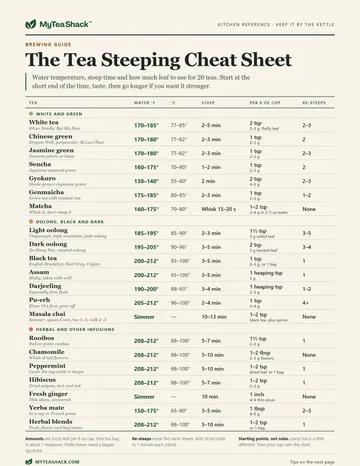
Free printable
The Tea Steeping Cheat Sheet
Water temperature, steep time and how much leaf to use for 20 teas, from sencha to rooibos, on one printable page. Plus five fixes for a bitter cup.