The Best Teas for Blood Circulation
The best teas for blood circulation, including green, ginger, and hibiscus tea, plus foods and habits that support healthy blood flow.

In this guide · 6 sections
Good circulation helps regulate body temperature and supports overall cardiovascular health. Certain teas, along with regular movement, may help support healthy blood flow, especially if you spend a lot of time sitting.
Why Circulation Matters
Sitting for long stretches can slow circulation, making it harder for your body to clear waste products like lactic acid from your muscles. Poor circulation is sometimes linked to tingling, heaviness, or fatigue in the legs. Staying active and hydrated are the biggest levers here, but a few teas may offer supportive benefits too.
Best Teas for Blood Circulation
Green Tea
Green tea's antioxidants may help reduce oxidative stress, which is linked to inflammation and a sluggish immune response. Its modest caffeine content can also have a mild stimulating effect on blood flow.
Ginger Tea
Ginger contains gingerols and related compounds that have shown vasodilating effects in lab and animal studies, and it's traditionally used to help relax blood vessels. Human evidence is still limited and mixed, so think of this as a traditional, low-risk addition rather than a proven circulation booster. It's also a popular remedy for muscle soreness and minor aches.
Turmeric Tea
Turmeric's active compound, curcumin, has anti-inflammatory properties that may support healthy circulation and metabolism over time.
Black Tea
Black tea's caffeine and polyphenol content may provide a mild boost to circulation and metabolism, along with antioxidant support against oxidative stress.
Matcha Tea
Matcha, a concentrated form of green tea, is rich in L-theanine and antioxidants, which may help reduce oxidative stress and support a sense of calm alertness.
Yerba Mate Tea
Yerba mate is naturally caffeinated and rich in antioxidants, potassium, magnesium, and iron — nutrients that support healthy blood vessels.
Hibiscus Tea
Hibiscus is high in vitamin C and anthocyanins, antioxidants associated with reduced inflammation. It also has a mild diuretic effect.
Foods That Support Healthy Circulation
- Citrus fruits: vitamin C supports immune health and may help reduce blood pressure.
- Nuts: B vitamins and healthy fats may help lower inflammation in the circulatory system.
- Tomatoes: contain lycopene, an antioxidant associated with healthier blood vessels.
- Garlic: compounds in garlic are associated with mild blood-thinning and blood-vessel-relaxing effects that may support blood flow; check with your doctor before combining garlic supplements with blood-thinning medication.
- Water: staying hydrated is one of the simplest ways to support circulation and help the body clear toxins.
Side Effects and Precautions
- Caffeinated teas (green, black, matcha, yerba mate) can raise heart rate slightly; people with heart rhythm issues or high blood pressure should moderate intake and check with a doctor.
- Tea can support circulation as part of a healthy lifestyle, but it isn't a treatment for diagnosed circulatory conditions like peripheral artery disease or deep vein thrombosis — seek medical care for these.
- If you notice persistent swelling, numbness, or pain in your legs, see a doctor rather than relying on tea alone.
Related: tea choices if you're prone to heart palpitations.
FAQ
What tea is best for poor circulation in the legs?
Ginger and green tea are commonly used, alongside regular movement and stretching, which have a bigger impact on leg circulation than any single drink.
Does green tea really help blood circulation?
Its antioxidants and mild caffeine content may offer some supportive benefit, though it works best combined with an active lifestyle.
How many cups of tea should I drink for circulation benefits?
Two to four cups a day of a caffeinated tea like green tea is a common, safe amount for most healthy adults.
The Bottom Line
Green tea, ginger tea, turmeric tea, and hibiscus tea are popular choices for supporting healthy blood circulation. Pair them with regular movement, hydration, and a balanced diet for the best results, and see a doctor for any persistent circulation symptoms.
For related weight and metabolism topics, see metabolism-boosting tea and herbal teas for blood pressure.
Free printable
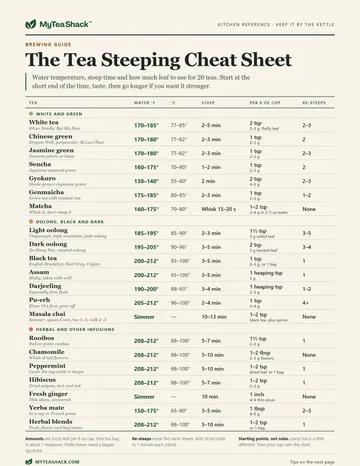
The Tea Steeping Cheat Sheet
Water temperature, steep time and how much leaf to use for 20 teas, from sencha to rooibos, on one printable page. Plus five fixes for a bitter cup.