Best Hibiscus Tea: Bags vs. Dried Flowers and How to Choose
How to pick good hibiscus tea: bagged vs. dried flor de jamaica, how tart different types are, and how to brew it for the best flavor.
In this guide · 10 sections
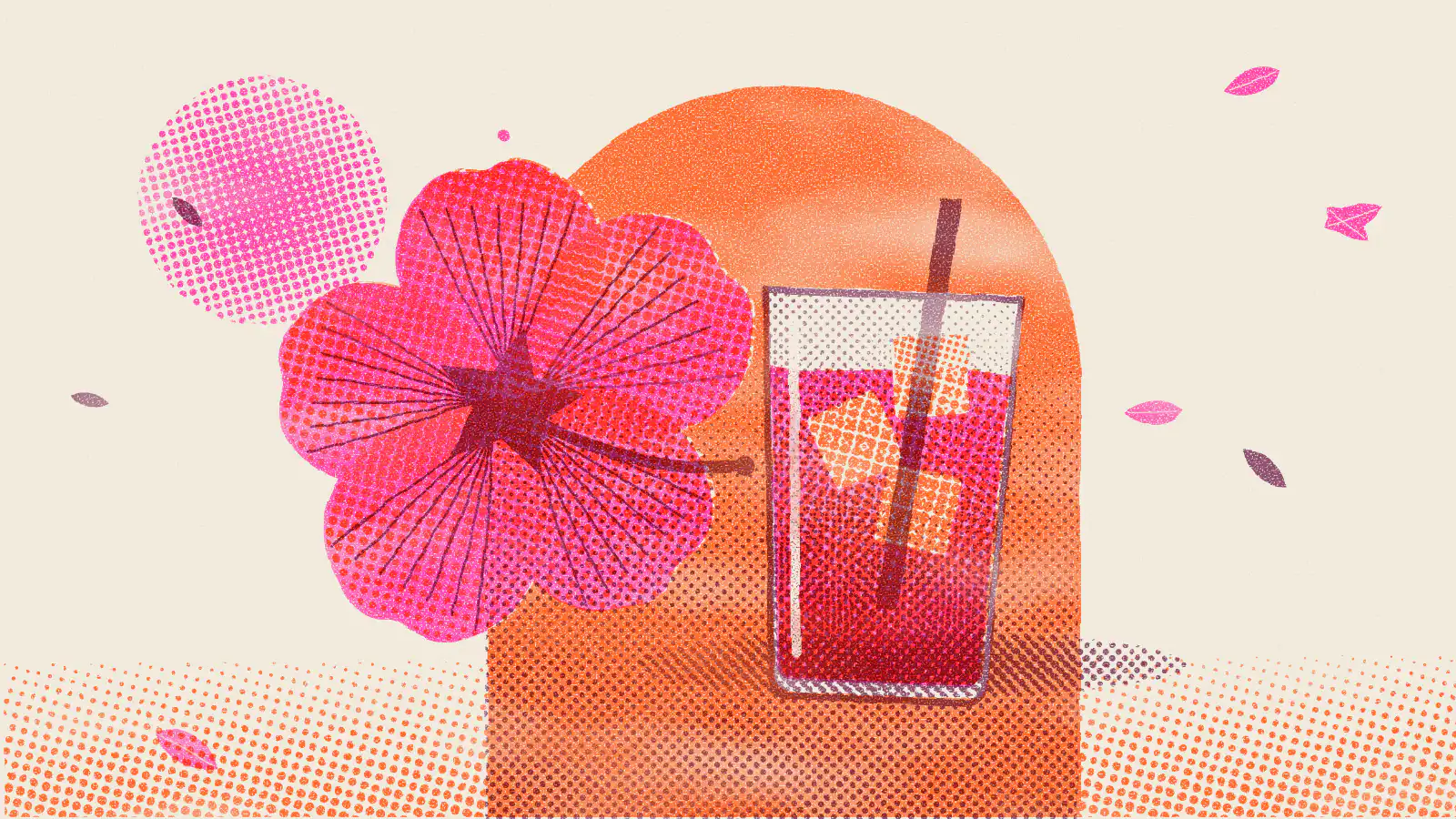
Hibiscus tea, made from the dried calyces (the petal-like part surrounding the seed pod) of the Hibiscus sabdariffa flower, ranges from mildly tart to sharply sour depending on the form you buy and how you brew it. It's the deep red tea often labeled "flor de jamaica" in Latin American groceries, and it's naturally caffeine-free.
Bags vs. Dried Flowers
| Format | What it is | Flavor and use |
|---|---|---|
| Standard tea bags | Cut or crushed dried hibiscus, often blended with other flavors (rosehip, berry) | Convenient, usually milder and sweeter due to added flavors |
| Whole dried hibiscus flowers (flor de jamaica) | Whole dried calyces, sold loose in bulk | More tart and intense, common for making agua de jamaica |
| Hibiscus tea blends | Hibiscus combined with rooibos, berries or other herbs | Softer, less sour, easier entry point if straight hibiscus is too tart for you |
If you've had a mild, slightly sweet hibiscus tea from a grocery store box, it's likely a blend. Straight, whole-flower hibiscus brewed strong is noticeably more sour, closer to unsweetened cranberry juice.
Sourness: Why It Varies So Much
Hibiscus's tartness comes from its natural acidity, and how sour it tastes depends on the amount of dried flower used and how long it steeps. A light steep (2–3 minutes, a small amount of flower) gives a mild, fruity cup. A strong steep, the kind used for Mexican agua de jamaica, uses significantly more dried flower simmered for longer, and the result is quite sour before it's sweetened.
If you're new to hibiscus, start with a blend or a short, light steep of whole flowers rather than jumping straight to a strong, unsweetened brew.
What to Look For When Buying
- Whole, deep red-maroon calyces if buying loose dried hibiscus. Faded, brownish color usually means it's old or was exposed to light and heat during storage.
- "Flor de jamaica" or "hibiscus sabdariffa" on the label if you specifically want the traditional Latin American variety used for agua de jamaica.
- Ingredient list, for blends. If you want pure hibiscus flavor rather than a fruit-blend sweetness, check that hibiscus is the only or primary ingredient rather than mostly rosehip or apple pieces.
- Organic certification, if pesticide exposure is a concern, since hibiscus calyces are consumed in fairly large quantities when brewed strong.
How to Brew It
- For a mild cup: 1 teaspoon dried hibiscus (or one tea bag) per 8 oz of water just off the boil, steeped 3–5 minutes.
- For a stronger, agua de jamaica style: 1/2 cup dried whole flowers simmered in 4 cups of water for 10–15 minutes, then strained, diluted with more water, and sweetened to taste. This makes a concentrate you can dilute rather than drinking at full strength.
- Serve hot or cold; hibiscus tea is naturally suited to iced serving since its tartness holds up well over ice.
Pairing and Sweetening
Because hibiscus is naturally tart rather than bitter, it pairs well with sweeteners that add roundness: honey, agave, or a small amount of cane sugar. Mint, ginger, or a slice of orange are common additions that balance the tartness without masking the hibiscus flavor entirely.
Storage
Dried hibiscus holds its color and tartness well when kept sealed and away from light, typically a year or more without much loss of flavor, longer than more delicate flowers like chamomile. If your hibiscus has turned dull brown instead of deep red-maroon, it's past its best and will brew a flatter, less vividly colored cup even though it's still safe to drink.
Before buying in bulk or making it a daily habit, it's worth reading our separate guide on hibiscus tea side effects, since hibiscus is one of the few herbal teas with a documented safety note for people on certain medications.
Single-Origin vs. Blended Sourcing
Some brands sell hibiscus labeled by country of origin, commonly Egypt, Sudan or Mexico, similar to how coffee or single-origin loose-leaf tea is marketed. Egyptian hibiscus tends to be prized for a deeper color and more concentrated tartness, while other origins can be milder. This distinction matters more to people who drink hibiscus tea often and want to compare batches than to someone having an occasional cup, but it's a useful detail to look for if a brand's hibiscus consistently tastes weaker or more washed out than you'd expect.
Common Mistakes
- Steeping too briefly. A quick 1–2 minute steep barely extracts hibiscus's color or tartness. Give it at least 3–5 minutes for a bagged cup, longer for a stronger agua de jamaica base.
- Assuming all hibiscus tea tastes the same. Blends with added fruit or sweeteners can taste dramatically different from straight, unsweetened hibiscus. If you're comparing products, check whether hibiscus is the primary ingredient or a minor flavoring note.
- Storing it near heat or light. A clear jar on a sunny counter will fade both the color and flavor of dried hibiscus faster than a sealed, opaque container in a cabinet.
FAQ
Is loose hibiscus better than tea bags?
Loose whole dried flowers give a more intense, traditional hibiscus flavor and are usually cheaper per cup in bulk. Tea bags are more convenient and, if blended with other ingredients, often milder and easier to drink for people new to hibiscus.
Why is my hibiscus tea so sour?
Straight hibiscus, especially brewed strong with whole flowers, is naturally quite tart. If it's more sour than you'd like, use less dried flower, steep for less time, or choose a blend that combines hibiscus with milder herbs or fruit.
What's the difference between hibiscus tea and flor de jamaica?
They're the same plant. "Flor de jamaica" is the Spanish name commonly used in Mexican and Central American markets, typically referring to whole dried hibiscus calyces used to make agua de jamaica.
Does hibiscus tea have caffeine?
No, hibiscus tea is naturally caffeine-free, since it's made from the flower rather than the Camellia sinensis plant that produces green, black and oolong tea.
The Bottom Line
Good hibiscus tea comes down to whole, tart dried flowers versus a milder pre-blended bag, and how strong you brew it. If straight hibiscus tastes too sour, start with a blend or a lighter steep rather than assuming you don't like the tea. For what the research says about hibiscus specifically, see our guide on hibiscus tea side effects, for skin-related uses see hibiscus tea and skin, and for a fruitier take, try our wild berry hibiscus tea or more hibiscus benefits.
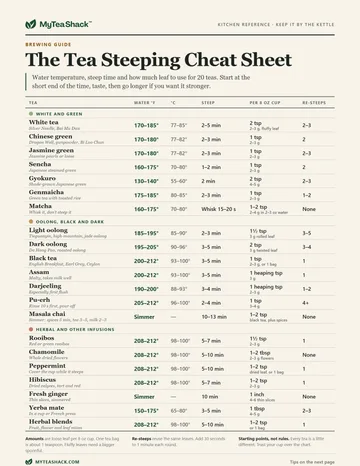
Free printable
The Tea Steeping Cheat Sheet
Water temperature, steep time and how much leaf to use for 20 teas, from sencha to rooibos, on one printable page. Plus five fixes for a bitter cup.