Hibiscus Tea Side Effects: What You Need to Know
The possible side effects of hibiscus (karkade or jamaica) tea, including allergy symptoms, medication interactions and pregnancy concerns.
We may earn a commission when you buy through links in this guide, at no extra cost to you. How we make money.
In this guide · 7 sections
Hibiscus tea (also sold as karkade or flor de Jamaica) is a tart, cranberry-flavored herbal infusion made from dried hibiscus petals. The most common side effects are mild digestive upset and a drop in blood pressure; allergic reactions are rare but possible. It isn't risk-free for everyone, especially people on blood pressure or diabetes medication, or who are pregnant.
What's in Hibiscus Tea
Hibiscus tea's deep red color comes from anthocyanins, antioxidant pigments also found in other red and purple produce. It also contains organic acids like citric and malic acid, which give it its tart flavor and a mild diuretic effect, along with some vitamin C.
Potential Side Effects
Digestive Upset
Some people experience stomach cramps or mild diarrhea, particularly when drinking hibiscus tea in large amounts or on an empty stomach. Drinking it with food and starting with a smaller serving can help.
Low Blood Pressure
NCCIH notes that hibiscus may modestly reduce blood pressure in people with hypertension, though the evidence is limited and the effect is small, nowhere near as strong as a prescription medication. That's a benefit for some people, but it can cause dizziness or lightheadedness in those who already have low blood pressure.
Allergic Reactions
Allergic reactions are uncommon but possible. Watch for hives, itching, a swollen mouth or throat, or difficulty breathing shortly after drinking it, especially the first few times you try it. Seek medical attention right away if you notice any of these symptoms.
Skin Irritation
Rarely, direct skin contact with hibiscus tea or petals can cause redness or itching in sensitive individuals.
Medication Interactions
Hibiscus tea's interaction with blood pressure medication is more complicated than simply "adding up" two blood-pressure-lowering effects. A pharmacokinetic study in rats found that hibiscus extract significantly reduced the absorption of captopril, an ACE-inhibitor blood pressure drug. The researchers concluded regular hibiscus tea should be avoided with captopril specifically, since it could make the medication less effective rather than more. Other blood pressure drugs may interact differently. It may also interact with certain diabetes medications, since some research suggests hibiscus can affect blood sugar. Talk to your doctor before drinking hibiscus tea regularly if you take medication for blood pressure, diabetes, or other prescription drugs, and don't assume it's safe to substitute tea for a dose you've missed.
Hibiscus Tea and Pregnancy
Pregnant women are generally advised to avoid hibiscus tea. It's traditionally used as an emmenagogue (a substance believed to stimulate menstrual flow), and there isn't enough human safety data to recommend it during pregnancy. Talk to your doctor before drinking hibiscus tea if you're pregnant or breastfeeding.
Who Should Be Cautious
- People taking blood pressure or diabetes medication
- Pregnant or breastfeeding women
- People with a known allergy to hibiscus or related plants
- Anyone with chronically low blood pressure
If none of those apply to you, hibiscus is one of the gentler herbal teas to try. Buddha Teas' hibiscus tea is a simple, organic, caffeine-free option if you want to start with a small batch rather than a bulk bag.
For the other side of the story, see what hibiscus tea may do for your skin.
FAQ
What are the side effects of hibiscus tea?
The most commonly reported effects are digestive upset, lowered blood pressure and, rarely, allergic reactions. Most people can drink it without issue.
Is karkade or jamaica tea the same as hibiscus tea?
Yes. Karkade (common in Egypt and Sudan) and jamaica or flor de Jamaica (common in Mexico and Central America) are both names for tea made from dried hibiscus petals, and the same side effects and precautions apply.
Can hibiscus tea cause an allergic reaction?
It's uncommon, but yes. Signs include hives, itching, a swollen mouth or throat, or trouble breathing. Stop drinking it and seek medical care right away if any of these happen.
Can hibiscus tea cause diarrhea?
It can. Some people get mild diarrhea or stomach cramps, particularly with large amounts or on an empty stomach. Drinking it with food and starting with a small serving usually helps.
Can hibiscus tea interact with medications?
Yes. It may interact with blood pressure and diabetes medications in particular. Check with a healthcare provider before drinking it regularly if you take either.
Is hibiscus tea safe during pregnancy?
It's generally not recommended during pregnancy due to limited safety data and a possible uterine-stimulant effect. Talk to your doctor first.
The Bottom Line
Hibiscus tea's antioxidants and mild blood-pressure-lowering effect make it a popular choice, but it's not for everyone. If you're pregnant, on blood pressure or diabetes medication, or prone to low blood pressure, talk to a doctor before adding it to your routine, and start with a small serving to see how you tolerate it. For more, see our guides to teas for energy and focus, teas for bloating and indigestion and peppermint tea before bed.
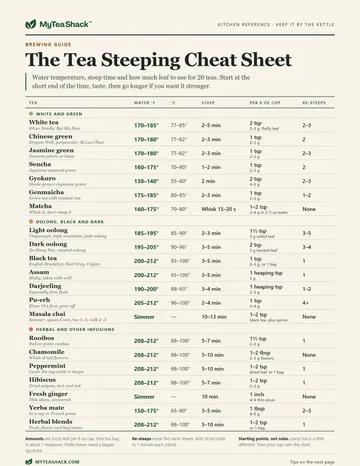
Free printable
The Tea Steeping Cheat Sheet
Water temperature, steep time and how much leaf to use for 20 teas, from sencha to rooibos, on one printable page. Plus five fixes for a bitter cup.