Hibiscus Tea for Skin: Benefits and How to Use It
Hibiscus tea is rich in antioxidants that may support skin health. Here's how to drink or apply it, plus side effects to know.
In this guide · 6 sections
Hibiscus tea is a tart, ruby-red herbal infusion that's naturally rich in vitamin C and antioxidants. Some people use it both as a drink and as a topical rinse in hopes of supporting healthier-looking skin, though most of the evidence for skin benefits is still preliminary.
Why Hibiscus Tea May Benefit Your Skin
Hibiscus is high in antioxidants and vitamin C, nutrients that support the body's natural defenses against oxidative stress. Some early research suggests these compounds may help support skin's collagen and elasticity, though large human studies specifically on hibiscus tea and skin are limited. Its mild anti-inflammatory properties are also why it's sometimes used topically to calm minor irritation.
How to Use Hibiscus Tea for Your Skin
As a Drink
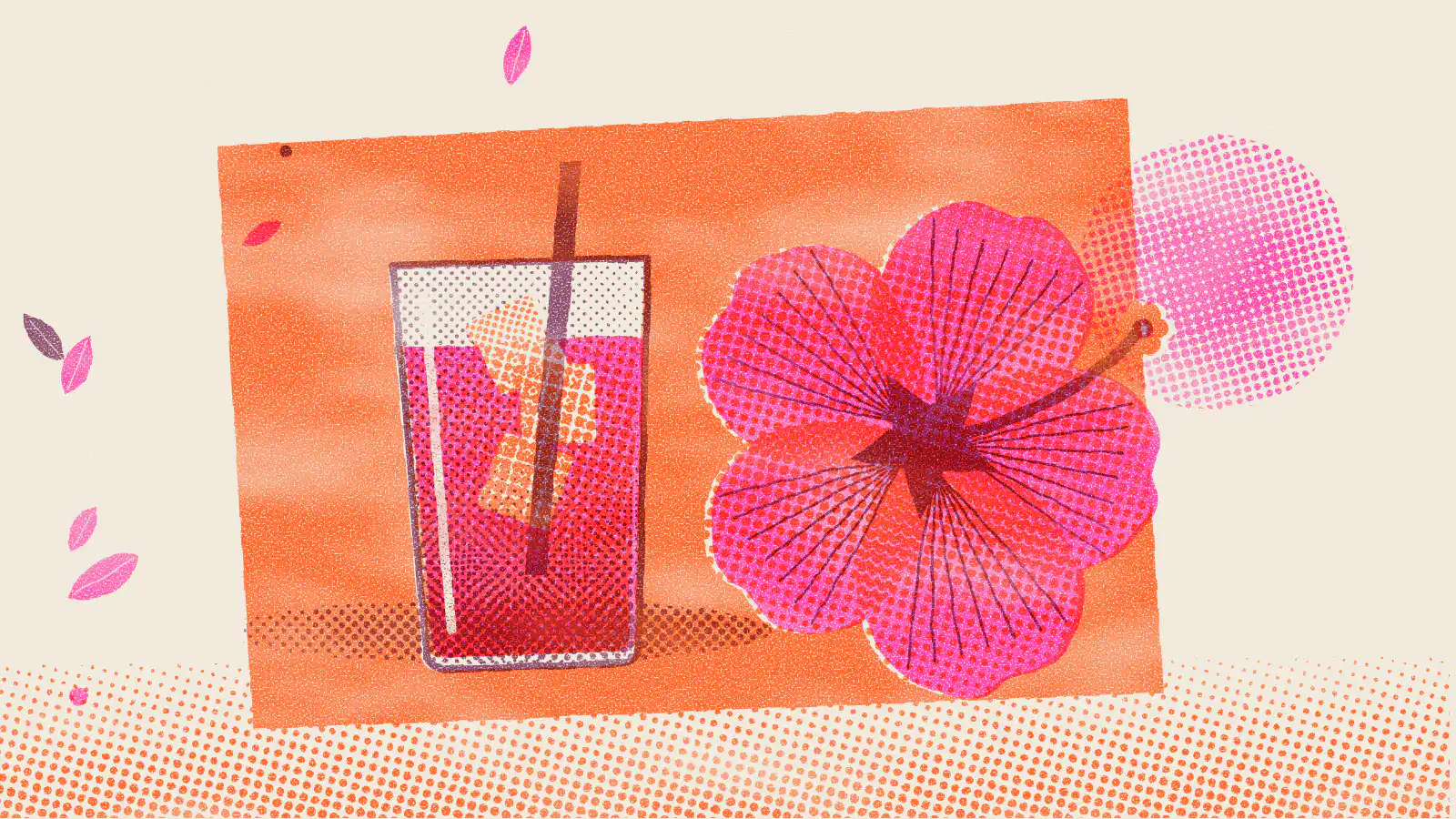
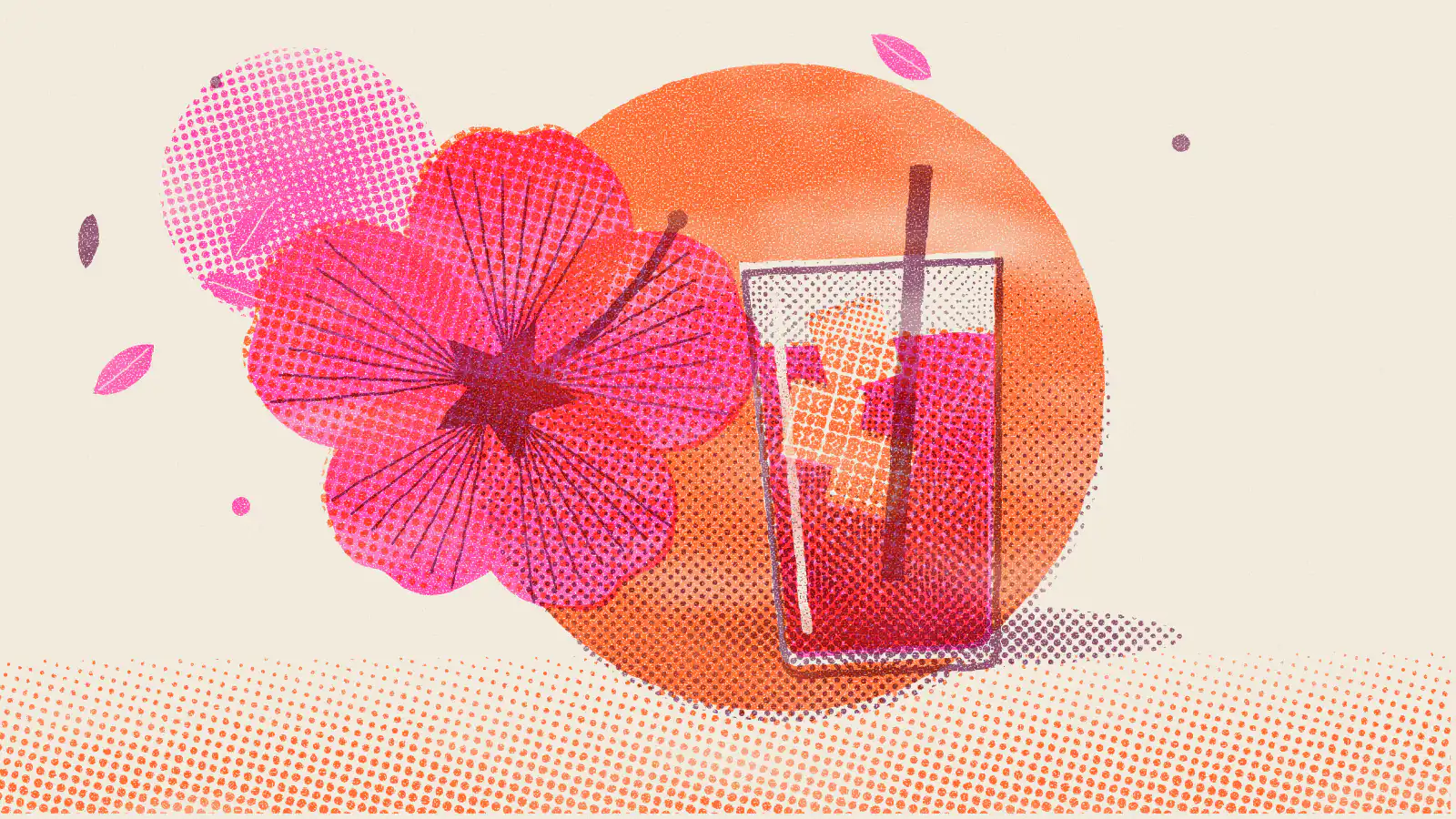
Steep 1–2 teaspoons of dried hibiscus flowers in a cup of hot water for 5 minutes, then strain. Drink it hot or chilled over ice.
As a Topical Rinse
Brew a stronger batch of hibiscus tea, let it cool completely, and use it as a facial rinse or apply with a cotton pad. Always do a small patch test first, since hibiscus can occasionally irritate sensitive skin.
Other Hibiscus Tea Benefits
Hibiscus tea's benefits and precautions go beyond skin health. For a fuller picture, see our guides on hibiscus tea's other health benefits and hibiscus tea side effects. If you'd like a flavorful way to drink it, try our wild berry hibiscus tea recipe.
Side Effects and Precautions
- Blood pressure: A randomized study found hibiscus tea lowered blood pressure in adults with prehypertension or mild hypertension, and animal research has found hibiscus extract can change how the body handles blood pressure medications like ACE inhibitors and diuretics. If you take blood pressure medication or have low blood pressure, talk to your doctor before drinking it regularly.
- Pregnancy: Hibiscus is generally not recommended during pregnancy; check with your doctor first.
- Diuretic effect: Hibiscus has a mild diuretic effect, so you may need to urinate more often.
- Allergies: As with any herbal tea, discontinue use if you notice a skin reaction or other allergic symptoms.
If you're building a skin-focused tea routine, we also looked at what the research says about ginger tea for the skin.
FAQ
Can I use hibiscus tea on my face every day?
Occasional use as a rinse is generally fine for most people, but stop if you notice irritation, and patch test first if you have sensitive skin.
Does hibiscus tea help with acne?
Its antioxidant and anti-inflammatory properties may help calm minor irritation, but it isn't a proven acne treatment. See a dermatologist for persistent acne.
Is hibiscus tea safe with blood pressure medication?
Not necessarily. Hibiscus can lower blood pressure on its own and may interact with blood pressure drugs like ACE inhibitors and diuretics. Talk to your doctor before combining it with blood pressure medication.
The Bottom Line
Hibiscus tea's antioxidants may offer some support for skin health, whether you drink it or use it as a cooled rinse, but the research is still early. Because it can affect blood pressure, check with your doctor before making it a daily habit if you take medication or are pregnant.
Free printable
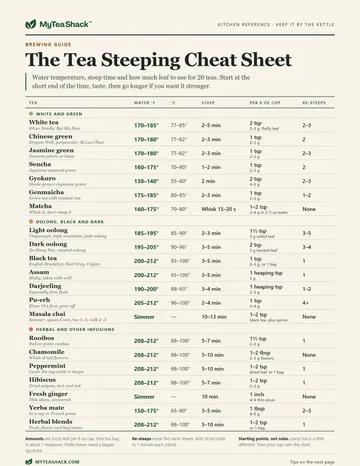
The Tea Steeping Cheat Sheet
Water temperature, steep time and how much leaf to use for 20 teas, from sencha to rooibos, on one printable page. Plus five fixes for a bitter cup.