5 Surprising Health Benefits of Hibiscus Tea
Hibiscus tea benefits include support for blood pressure, digestion and immunity. Learn the evidence, how to brew it, and who should avoid it.
In this guide · 9 sections
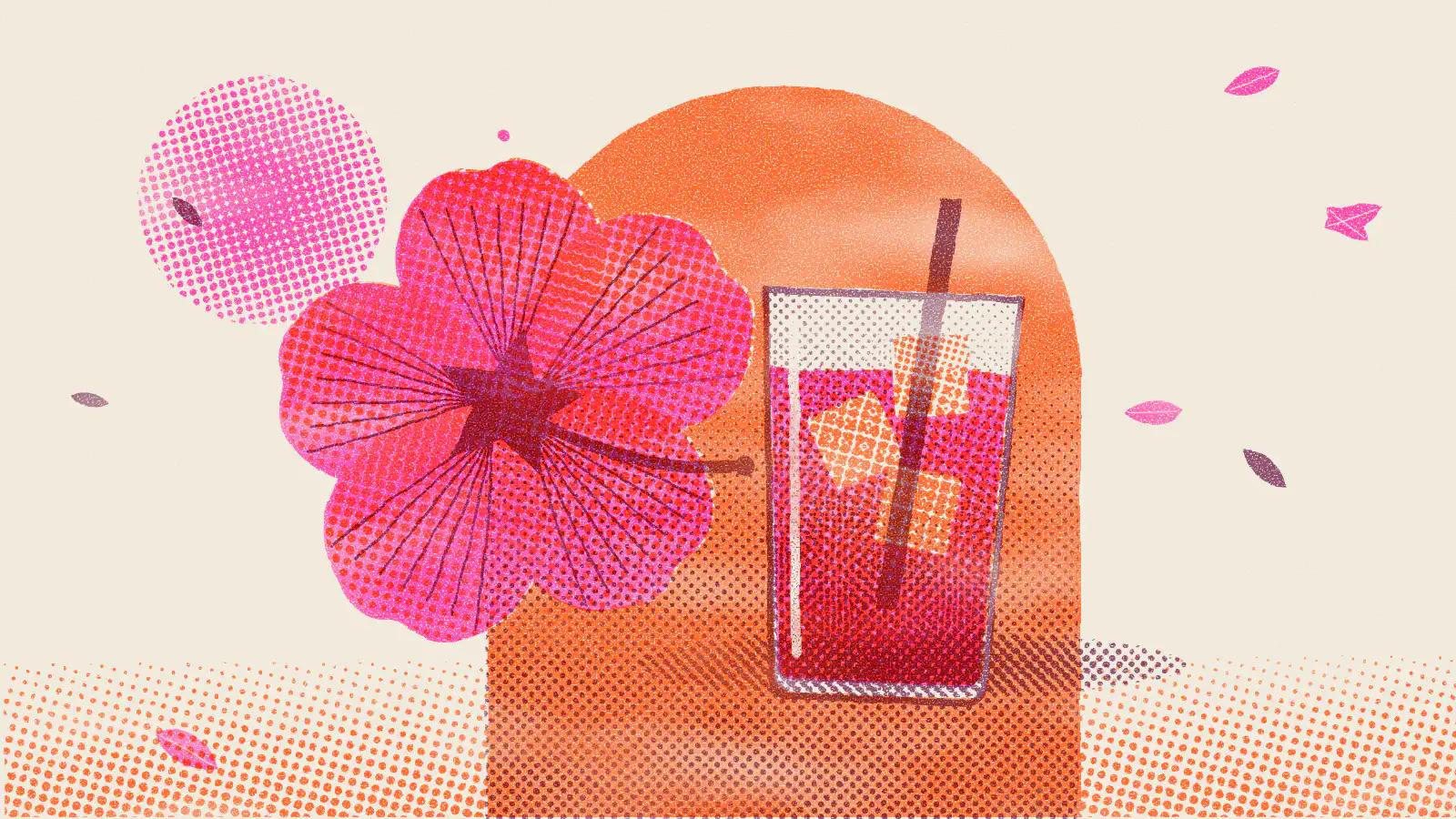
Hibiscus tea is a tart, ruby-red herbal infusion made from dried hibiscus petals. Beyond its refreshing taste, it's rich in antioxidants and vitamin C, and several small studies suggest it may offer real benefits for blood pressure, digestion and more.
1. May Support Healthy Blood Pressure
Hibiscus tea is one of the better-studied herbal teas for blood pressure. Some clinical research has found that drinking it daily may modestly lower systolic and diastolic blood pressure in people with mildly elevated readings. That said, it shouldn't replace prescribed blood pressure medication, and it can interact with some blood pressure drugs, so check with your doctor before drinking it regularly if you're being treated for hypertension.
2. May Support Weight Management
Some research suggests hibiscus extract may help the body manage carbohydrate absorption and has a mild diuretic effect, both of which have been studied for their role in weight management. These effects are modest and work best alongside a balanced diet and regular exercise, not as a standalone solution.
3. May Boost Immune Support
Hibiscus tea is naturally high in vitamin C, an antioxidant that supports normal immune function. Its other antioxidant compounds may also help protect cells from everyday oxidative stress.
4. May Support Digestive Comfort
Hibiscus has mild anti-inflammatory properties and, anecdotally, a gentle laxative effect for some people, which may help with occasional bloating or irregularity. If you have a diagnosed digestive condition, talk to your doctor before using it as a remedy.
5. May Support Skin Health When Used Topically
Cooled hibiscus tea is sometimes used as a natural toner. Its antioxidants and natural acids may help support skin's appearance, though this use is more traditional than clinically proven.
How to Make Hibiscus Tea
- Steep 1–2 teaspoons of dried hibiscus petals in hot water for 5–10 minutes.
- Strain and serve hot or over ice.
- Sweeten with honey if desired, or add a slice of lemon or ginger.
Side Effects and Precautions
- Pregnancy: hibiscus tea is generally advised against during pregnancy, as some evidence suggests it may affect hormone levels; talk to your doctor.
- Blood pressure and diabetes medication: hibiscus can interact with these drugs, so check with your doctor before making it a daily habit.
- Large amounts: may cause stomach discomfort in some people.
- Choose hibiscus specifically labeled for tea, since not all ornamental hibiscus varieties are meant for consumption.
FAQ
Can I drink hibiscus tea every day?
Many people drink one to two cups a day without issue, but if you're on blood pressure or diabetes medication, check with your doctor first.
Does hibiscus tea have caffeine?
No, hibiscus tea is naturally caffeine-free.
Is hibiscus tea safe during pregnancy?
Most sources recommend avoiding it during pregnancy. Talk to your doctor before drinking it if you're pregnant or trying to conceive.
The Bottom Line
Hibiscus tea is a caffeine-free, antioxidant-rich infusion with encouraging early research for blood pressure and general wellness. Enjoy it as part of a balanced routine, and check with your doctor first if you're pregnant or on blood pressure medication.
For more, see exploring the potential side effects of hibiscus tea, hibiscus tea for the skin, and are herbal teas good for blood pressure.
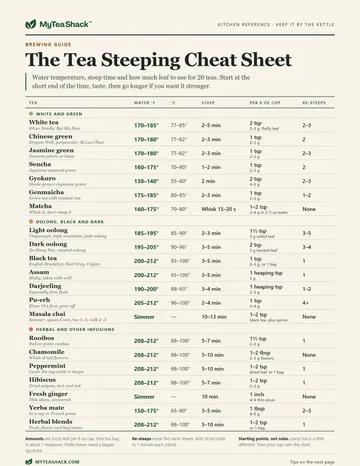
Free printable
The Tea Steeping Cheat Sheet
Water temperature, steep time and how much leaf to use for 20 teas, from sencha to rooibos, on one printable page. Plus five fixes for a bitter cup.