Ginger Tea for Skin: Benefits, Mask Recipe and Side Effects
How ginger tea and topical ginger may support skin health, a simple ginger-honey mask recipe, and who should avoid drinking or applying ginger.

We may earn a commission when you buy through links in this guide, at no extra cost to you. How we make money.
In this guide · 7 sections
Ginger is best known as a kitchen spice, but both drinking ginger tea and applying cooled ginger topically are popular in skincare routines. Its antioxidant and anti-inflammatory compounds are why people reach for it to help calm puffiness, support an even skin tone, and add a boost to their routine. A simple ginger tea from Buddha Teas works well for both drinking and cooling into a facial rinse.
Benefits of Ginger Tea for the Skin
- Antioxidant support: ginger is rich in antioxidants that help neutralize free radicals, which are linked to visible signs of skin aging.
- May reduce puffiness: a cooled ginger tea compress applied to the under-eye area may help calm temporary swelling and fatigue.
- Gentle cleansing: used as a facial rinse, ginger tea can help lift away surface dirt and oil.
- May support an even skin tone: some people use diluted ginger tea to help fade minor discoloration over time, though results vary and it's not a substitute for sunscreen or a dermatologist's care for stubborn spots.
- May help with the appearance of cellulite: ginger is sometimes used in massage oils and lotions for this purpose, though evidence is mostly anecdotal.
Ginger and Collagen
Collagen production naturally slows down after your mid-20s, which is one reason fine lines and wrinkles become more visible over time. Ginger and cinnamon both contain antioxidant compounds that are thought to help support the skin's natural collagen production, though most of the evidence for this comes from lab studies rather than large human trials. Talk to a dermatologist before starting any new skincare routine aimed at collagen support.
Ginger and Honey Face Mask
Ingredients
- 1/2 tablespoon ginger (fresh, grated, or powdered)
- 1/2 tablespoon cinnamon
- 2 tablespoons honey
- 2 tablespoons olive oil
Instructions
- Mix all the ingredients into a smooth paste.
- Apply to clean skin with a brush and leave on for 10 minutes.
- Rinse with warm water and follow with your usual moisturizer.
Because ginger contains compounds that can irritate skin, patch-test this mask first and limit use to once a week.
Ginger Tea and Digestion
Beyond skincare, ginger root is widely used to ease occasional nausea and support digestion, thanks to its natural anti-inflammatory properties. A warm cup after a meal is a common way to enjoy it.
Who Should Be Cautious With Ginger
- People taking blood thinners or antiplatelet medication (like warfarin or aspirin), since ginger may have a mild effect on platelet function and blood clotting
- Pregnant women — ginger supplements have been used in studies for pregnancy-related nausea and appear to be generally well tolerated in typical culinary and tea amounts, but you should still check with your doctor before making it a daily habit, per NCCIH
- People with gallstones or a bleeding disorder
- Anyone on regular medication: ask your doctor before using ginger regularly, since some herbs and medicines interact (NCCIH)
Side Effects and Precautions
Ginger has a long history of safe use in research studies taken by mouth, according to NCCIH, and most people tolerate it well. In larger amounts, ginger can cause abdominal discomfort, heartburn, diarrhea, and mouth or throat irritation. If you notice unusual bruising or bleeding after starting ginger tea, stop and talk to your doctor, and ask a doctor for specific dosing guidance if you're using ginger for a health condition rather than as an occasional tea.
Related: hibiscus tea for skin.
FAQ
Can I put ginger tea directly on my face?
Yes, but let it cool first and patch-test on your inner arm, since ginger can be irritating for sensitive skin. Diluting it or using it as part of a mask, like the recipe above, is gentler than applying it undiluted.
How often should I use a ginger face mask?
Once a week is a reasonable starting point. Watch for redness or irritation and reduce frequency if your skin reacts.
Does ginger tea help with acne?
Ginger's anti-inflammatory properties may help calm redness associated with occasional breakouts, but it isn't a proven acne treatment and won't replace a dermatologist-recommended routine for persistent acne.
The Bottom Line
Ginger tea offers a mix of antioxidant and anti-inflammatory benefits that can support your skin and digestion as part of a broader routine, but it isn't a miracle fix and everyone's skin reacts differently. Patch-test before applying it topically, and check with your doctor first if you're pregnant, on blood thinners, or managing a health condition. For more ginger-focused reads, see our guides on ginger-turmeric tea and whether ginger tea helps a sore throat, or explore other green tea benefits for skin.
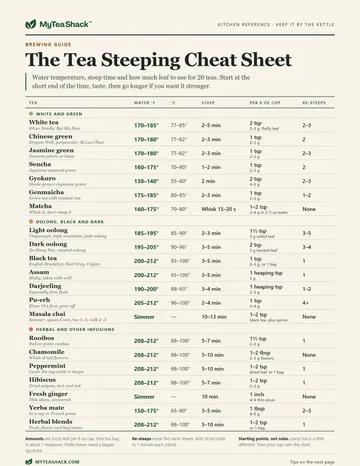
Free printable
The Tea Steeping Cheat Sheet
Water temperature, steep time and how much leaf to use for 20 teas, from sencha to rooibos, on one printable page. Plus five fixes for a bitter cup.