Yerba Mate Plant: How It's Grown, Brewed and Its Benefits
How the yerba mate plant is grown and prepared, its traditional benefits and side effects, and how to drink it the traditional way.
In this guide · 7 sections
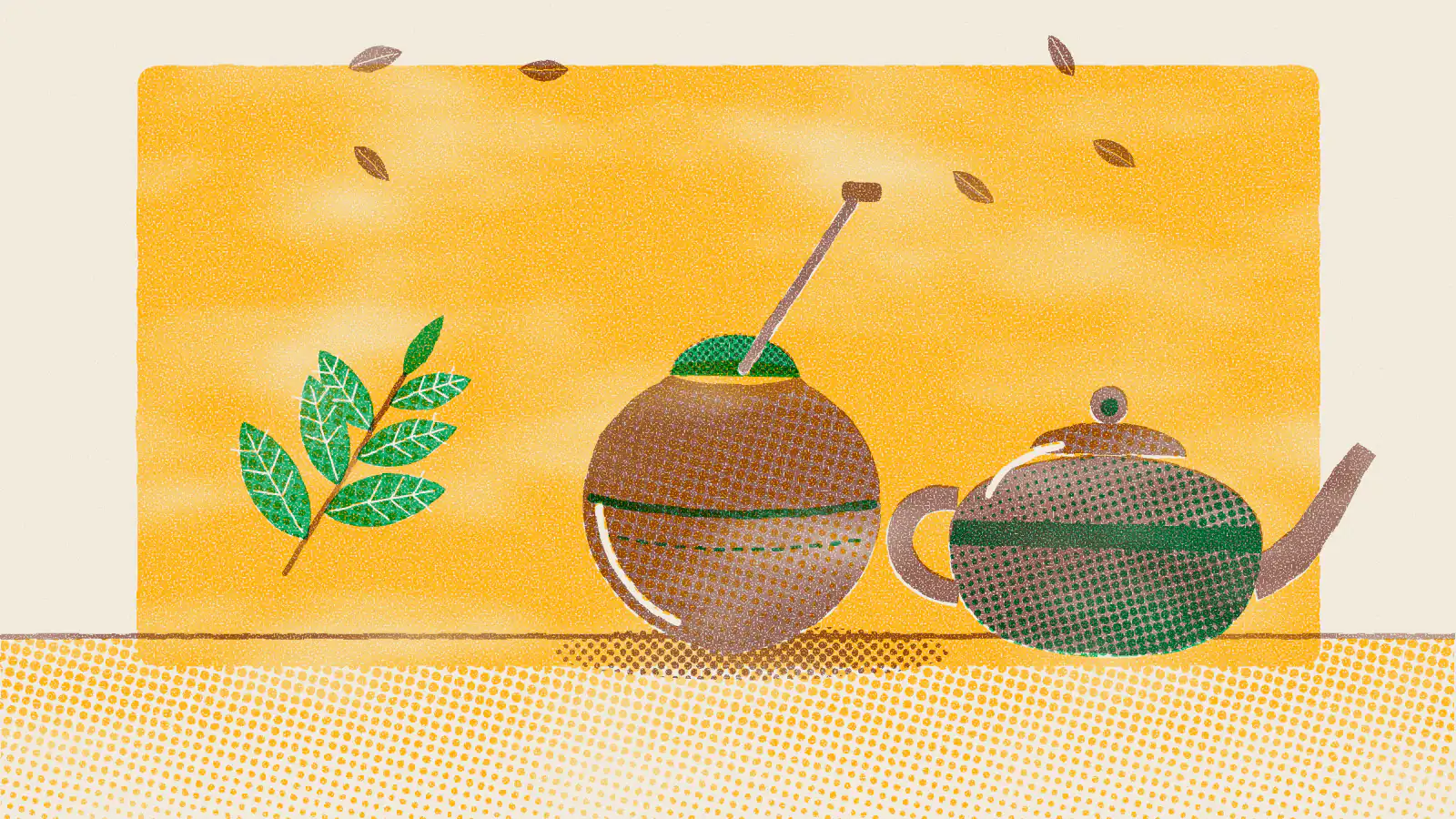
Yerba mate is a traditional South American infusion made from the dried, roasted leaves of Ilex paraguariensis, a plant native to Argentina, Paraguay, Uruguay, and southern Brazil. Traditionally sipped from a hollowed gourd through a metal straw called a bombilla, it's a daily ritual and social custom across the region.
How the Yerba Mate Plant Is Grown
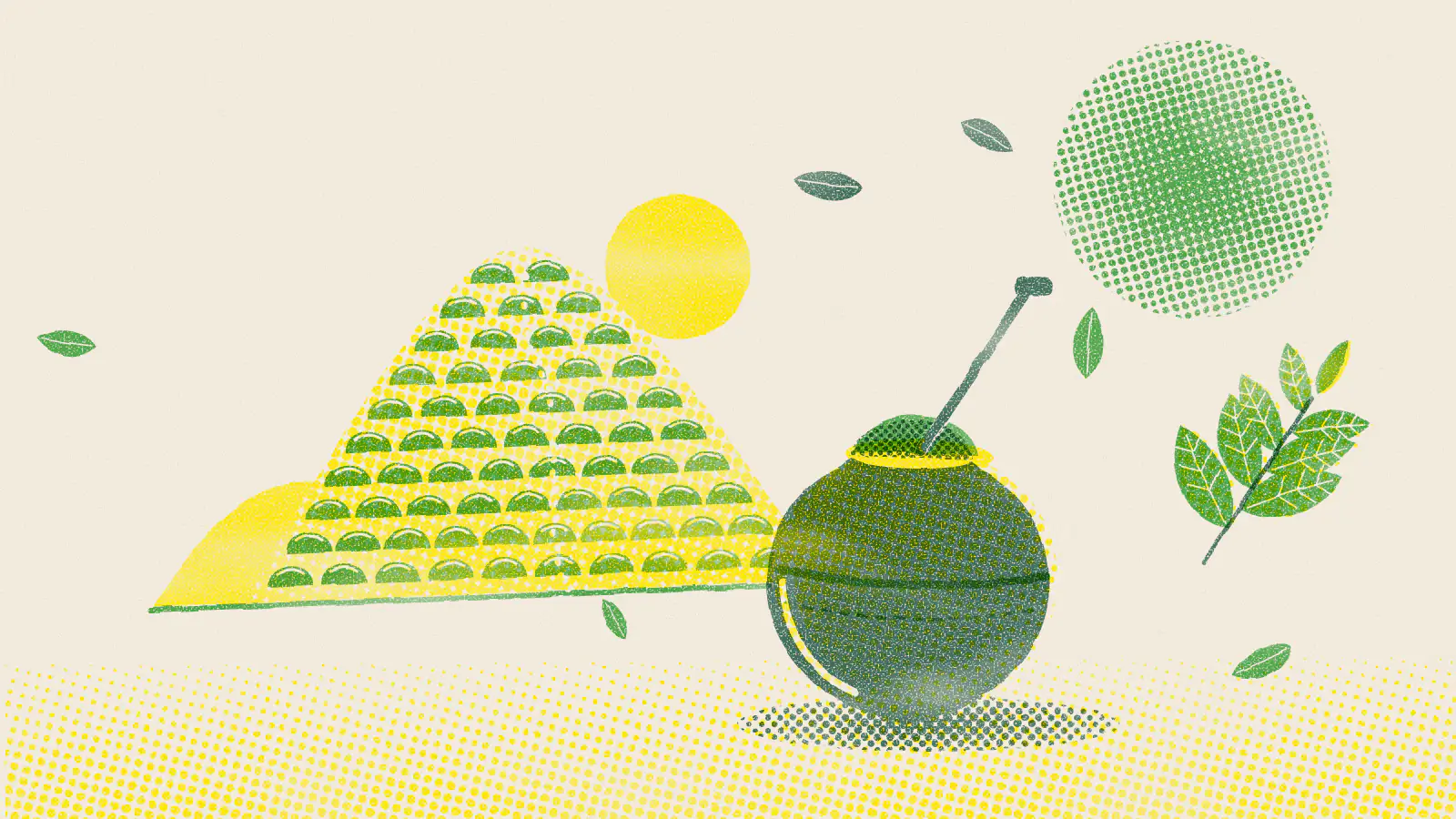
Ilex paraguariensis grows best in humid subtropical climates, particularly Argentina's Misiones and Corrientes provinces, where rainfall is heavy and average temperatures sit around 70°F. The plant needs the acidic, mineral-rich red soil typical of the region.
Dry seeds are sown in early spring, then seedlings spend about a year in a nursery before being planted in the field, where they grow for 3–5 years before their first harvest. A healthy yerba mate plant can keep producing for decades.
How Yerba Mate Is Traditionally Prepared
The classic method fills a gourd (also called a mate) about two-thirds full with dried yerba. The gourd is shaken so larger pieces settle at the bottom, then tilted so the bombilla (the metal straw with a built-in filter) can be inserted without clogging. Hot water is poured in, and the drink is sipped and refilled throughout a gathering.
A cold variant, called tereré, uses cold water and ice instead, and is popular in hot weather. You can also make a simpler infusion by steeping yerba mate in hot water and straining it into a cup, similar to any other tea.
Yerba Mate Benefits
Traditional and early research points to several potential benefits of yerba mate:
- Natural energizer: yerba mate contains caffeine (sometimes called "mateine" in marketing, though it's the same compound), which can improve alertness and concentration similarly to coffee.
- Rich in antioxidants: it contains polyphenols that help protect cells from oxidative stress.
- May support digestion: it's traditionally used to stimulate bile and gastric acid production, and has a mild laxative effect at higher intakes.
- Nutrient contribution: yerba mate provides B vitamins, potassium, and magnesium.
- May support mood: the ritual of sharing mate with others, combined with its stimulant effect, is associated with improved mood in traditional use, though this hasn't been rigorously studied.
Some small studies have looked at yerba mate's antioxidant content and effects on cholesterol markers, but the evidence in humans is limited, and yerba mate should not be treated as a way to prevent or treat any disease.
Side Effects and Precautions
- Sleep disruption: as a caffeine source, yerba mate can interfere with sleep, especially if consumed later in the day.
- May raise heart rate or blood pressure: caffeine can raise blood pressure, especially in people who don't drink it regularly, and MedlinePlus notes it can also cause an irregular heartbeat in some people. If you have a heart condition or high blood pressure, talk to your doctor before making it a regular habit.
- Nutrient absorption: heavy mate consumption may interfere with absorption of certain nutrients from food.
- Pregnancy and breastfeeding: MedlinePlus lists yerba mate as possibly unsafe during pregnancy, so talk to your doctor before drinking it if you're pregnant or nursing.
- Very hot mate and long-term heavy use: drinking very hot beverages regularly over many years has been studied as a general risk factor for the esophagus. Separately, MedlinePlus notes that drinking large amounts (roughly 1–2 liters a day) over many years is linked to a higher risk of certain cancers, especially in people who also smoke or drink alcohol — another reason to keep intake moderate and let mate cool slightly before drinking.
What to Add to Yerba Mate
Traditionally, yerba mate is drunk unsweetened and slightly bitter, but you can sweeten it with stevia, honey, or a small amount of sugar if you prefer. Adding lemon, orange, or other herbs like licorice root, fennel, or anise can soften the bitterness.
FAQ
Is yerba mate healthier than green tea?
Both contain antioxidants, and some lab research suggests yerba mate may have a higher antioxidant capacity than green tea, but "healthier" depends on your goals — green tea has less caffeine, while yerba mate offers a stronger stimulant effect.
Does yerba mate contain caffeine?
Yes. Yerba mate contains a meaningful amount of caffeine, comparable to a cup of coffee, despite sometimes being marketed as containing "mateine" instead.
Can I drink yerba mate every day?
Many people in South America drink it daily as part of a long-standing tradition. As with any caffeinated beverage, moderate your intake and talk to your doctor if you have a heart condition, high blood pressure, or are pregnant.
How is yerba mate different from tea?
Yerba mate comes from Ilex paraguariensis, a holly relative, not the Camellia sinensis plant that produces green, black, and oolong tea. It's typically brewed and drunk from a gourd through a bombilla rather than a cup.
The Bottom Line
The yerba mate plant is a caffeine-containing, antioxidant-rich infusion with deep cultural roots in South America, best enjoyed as part of a balanced routine rather than as a cure for any condition. If you want to compare it to other energizing options, see our guide to teas for energy and focus, or explore benefits of yerba mate tea and caffeine-free tea if you'd rather skip the stimulant effect.
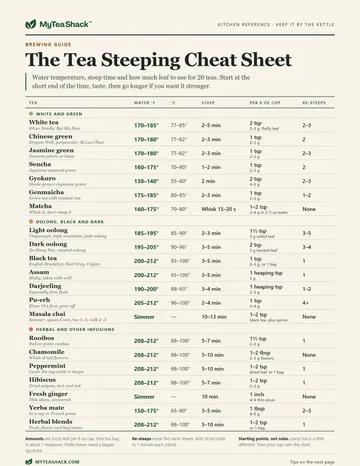
Free printable
The Tea Steeping Cheat Sheet
Water temperature, steep time and how much leaf to use for 20 teas, from sencha to rooibos, on one printable page. Plus five fixes for a bitter cup.