Best Teas for Bloating and Indigestion
Which teas may ease bloating and indigestion, why these symptoms happen, and simple habits that support better digestion.

In this guide · 6 sections
Bloating and indigestion are common digestive symptoms, often triggered by certain foods, eating too fast, stress, or too much caffeine and alcohol. A handful of caffeine-free herbal teas are traditionally used to ease these symptoms alongside simple eating habits.
What Causes Bloating and Indigestion
Common triggers include:
- Food intolerances (lactose, gluten, certain fibers)
- Eating too quickly or overeating
- Carbonated drinks, alcohol and excess caffeine
- Stress
- Underlying conditions like irritable bowel syndrome, which is worth discussing with a doctor if symptoms are frequent
Indigestion (dyspepsia) typically feels like discomfort, burning or fullness in the upper abdomen, usually during or right after eating. Occasional indigestion isn't usually serious, but see a doctor if it comes with weight loss, trouble swallowing, or signs of bleeding.
Teas That May Help
Ginger Tea
Ginger is a classic remedy for gas and bloating, and some research supports its use for general digestive discomfort. Steep fresh ginger slices in hot water for 10 minutes.
Peppermint Tea
Peppermint may help relax the digestive tract and ease gas. Memorial Sloan Kettering advises that people with gastroesophageal reflux disease, hiatal hernia, or gallbladder problems check with a doctor first, since it relaxes the same muscle that keeps stomach acid down and can worsen reflux.
Chamomile Tea
Chamomile is a gentle, well-tolerated option often used to relax the stomach muscles and ease mild indigestion.
Fennel Tea
Fennel is traditionally used for bloating and gas, and its fiber content may support regular digestion. It pairs well with chamomile.
Anise Seed Tea
Anise has carminative properties, meaning it may help reduce gas, along with a mild diuretic effect.
Lemon Balm (Melissa) Tea
Some small studies have found lemon balm extract associated with reduced indigestion symptoms compared to a placebo.
Hibiscus Tea
Hibiscus has a mild diuretic effect that some people find helpful for bloating, though it isn't well studied for digestion specifically.
Habits That Support Digestion
- Eat slowly and chew thoroughly
- Avoid drinking large amounts of liquid during meals
- Keep dinner lighter than earlier meals
- Limit high-FODMAP foods (garlic, onion, certain fruits) if they trigger your symptoms
- Take a short walk after eating
Side Effects and Precautions
- Peppermint tea: Can worsen acid reflux for some people.
- Persistent symptoms: See a doctor if bloating or indigestion is frequent, severe, or comes with weight loss or bleeding, since these can point to a condition that needs treatment beyond diet.
- Pregnancy: Check with your doctor before regular use of fennel or anise tea during pregnancy.
Some people also try kombucha, a fermented tea, though the carbonation doesn't agree with everyone. Parsley is another herb people use after heavy meals; see our guide to parsley tea.
FAQ
What is the best tea for bloating?
Ginger, peppermint and fennel tea are among the most commonly used options, though which works best can vary from person to person.
Does tea help with indigestion?
Some herbal teas, particularly ginger, chamomile and lemon balm, may ease mild indigestion, but persistent symptoms deserve a doctor's evaluation.
Can peppermint tea make bloating worse?
For most people it helps, but if your main issue is acid reflux rather than bloating, peppermint can make reflux symptoms worse.
The Bottom Line
Ginger, peppermint, chamomile and fennel tea are reasonable, low-risk options for occasional bloating and indigestion. If symptoms are frequent or severe, see a doctor rather than relying on tea alone. For related reading, see our guides to best teas for acid reflux and tea for gut health.
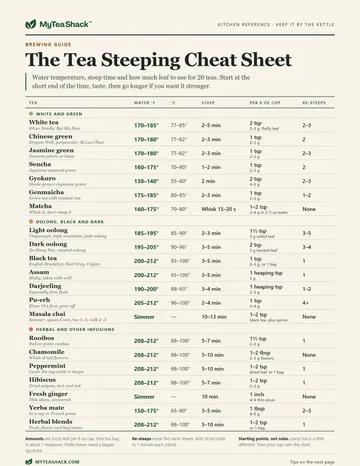
Free printable
The Tea Steeping Cheat Sheet
Water temperature, steep time and how much leaf to use for 20 teas, from sencha to rooibos, on one printable page. Plus five fixes for a bitter cup.