Healthiest Teas: Benefits and What the Research Says
The healthiest teas, from green and black to hibiscus and yerba mate, including the top herbal picks and what research actually says about each.
In this guide · 19 sections
Tea has been part of daily life in many cultures for centuries, and for good reason: most true teas and herbal infusions are naturally low in calories and rich in antioxidant plant compounds. There's no single "best" tea for health, the right one depends on what you're looking for, so here's an honest rundown of the healthiest options and what the evidence actually says about each. No tea has been shown to prevent, treat or cure a specific disease, including cancer or diabetes, so treat every benefit below as a possible plus, not a guarantee.
Green Tea
Green tea leaves are rich in catechins, a type of flavonoid with antioxidant properties. These compounds help neutralize free radicals, unstable molecules linked to oxidative stress and, over time, to chronic disease risk. The catechins and caffeine in green tea may also have a modest effect on body weight, though the effect is small and varies by person.
White Tea
White tea is the least processed true tea, which means it keeps a very high concentration of polyphenols and a lower caffeine level than black or green tea. That combination gives it strong antioxidant capacity and makes it a gentle option for people sensitive to caffeine.
Black Tea
Black tea is fully oxidized, giving it a bolder flavor and a caffeine profile that releases into the bloodstream a bit more gradually than coffee's. Its polyphenols are associated with supporting healthy cholesterol levels and feeding beneficial gut bacteria.
Matcha
Matcha is a powdered green tea, so you consume the whole leaf rather than an infusion of it, which means more antioxidants and caffeine per cup than typical green tea. It also contains L-theanine, an amino acid associated with calm, focused energy rather than the jittery peak some people get from coffee.
Oolong Tea
Oolong sits between green and black tea in oxidation level, giving it a milder caffeine content and an easy-to-digest profile that many people enjoy after meals. Its polyphenols help scavenge free radicals much like other true teas.
Rooibos (Red Tea)
Rooibos is a caffeine-free herbal infusion from South Africa. It's often used as a gentle, hydrating option in the evening, and it's naturally rich in antioxidants without the stimulant effect of true teas. It contains a flavonoid called aspalathin that has been studied for a possible role in supporting healthy blood pressure, and some small studies also point to a mild muscle-relaxation effect.
Yerba Mate
Yerba mate is a South American infusion known for its naturally high caffeine content, along with vitamins, minerals and antioxidants. It's frequently used as a coffee alternative for a steady energy boost and is thought to support digestion, though as with coffee, too much can cause jitteriness or disrupted sleep.
Pu-erh Tea
Pu-erh is a fermented tea from China's Yunnan province that ages over months or years, developing a distinctive earthy flavor. In traditional use it's associated with digestive support, and some studies link it to healthier cholesterol levels, though more human research would help confirm this. See our full pu-erh tea guide for brewing methods and side effects.
Hibiscus Tea
Hibiscus is one of the better-studied herbal teas for blood pressure, with several small trials showing modest reductions in both systolic and diastolic readings. It's naturally caffeine-free with a tart, cranberry-like flavor, hot or iced. Anyone on blood pressure medication should check with a doctor before drinking it daily, since the effects can add up.
Jasmine Tea
Usually green tea scented with jasmine blossoms, jasmine tea carries green tea's antioxidant properties along with a calming aroma that many people find helpful for relaxation and stress.
Pomegranate Tea
Pomegranate tea is prized for its polyphenol content, which the body converts into compounds called urolithins. Some research associates it with support for heart health and healthy cholesterol levels. Read more in our full pomegranate tea benefits guide.
Ginger Tea
Ginger is well known as a natural remedy for nausea and mild digestive discomfort. Some people also use it to help ease muscle soreness, thanks to its anti-inflammatory compounds, though it isn't a substitute for treating an underlying medical condition.
Chamomile Tea
Chamomile is a popular bedtime tea. It contains apigenin, a flavonoid studied for its calming effect on brain receptors involved in sleep, which may be why many people find a cup relaxing before bed, though a 2019 review found mixed evidence for chamomile easing diagnosed insomnia specifically.
Peppermint Tea
Peppermint is commonly used after meals to ease mild stomach discomfort, thanks to its antispasmodic properties. Enteric-coated peppermint oil capsules have shown modest short-term benefit for overall IBS symptoms and abdominal pain in clinical studies. Note that's concentrated peppermint oil, not necessarily brewed tea. Talk to your doctor if you have a diagnosed digestive condition.
Echinacea Tea
Echinacea has a long history of use for fighting off colds. NCCIH notes that echinacea may slightly reduce your chances of catching a cold, but it's unclear whether it shortens one once you have it, so treat it as a supportive habit rather than a cure.
Caffeine Content at a Glance
| Drink | Caffeine per 8 oz cup |
|---|---|
| Coffee (brewed) | 95–200 mg |
| Black tea | 14–61 mg |
| Green tea / matcha | 24–70 mg |
| Yerba mate | 65–130 mg |
| Herbal teas (chamomile, rooibos, hibiscus, peppermint) | 0 mg |
Side Effects and Precautions
Most teas on this list are safe for daily consumption in moderate amounts. A few things to watch for:
- Caffeinated teas (green, black, oolong, matcha, yerba mate, pu-erh) can affect sleep or cause jitteriness in sensitive people if consumed late in the day.
- Herbal teas are generally gentle, but if you're pregnant, nursing, or managing a chronic condition like high blood pressure or diabetes, check with your doctor before making any tea a daily habit. This applies especially to hibiscus and rooibos, since both have been studied for blood-pressure effects.
- Tea should complement, not replace, any treatment or medication prescribed by a healthcare professional.
For a broader look at what regular tea drinking may do for you, see our overview of the health benefits of tea.
FAQ
What is the healthiest tea to drink every day?
Green tea and white tea are often cited as the most antioxidant-dense options, but rotating a few types gives you a broader range of beneficial compounds.
What herbal tea has the most health benefits?
Among caffeine-free herbal teas, hibiscus and chamomile have the most research behind them: hibiscus for modest blood pressure support, chamomile for calm and sleep. Rooibos and peppermint are close behind for antioxidants and digestion, respectively.
Which tea has the least caffeine?
Herbal infusions like chamomile, rooibos, hibiscus and peppermint are naturally caffeine-free.
Which tea has the most antioxidants?
White tea and matcha tend to top the list because of how they're grown and processed, though green tea isn't far behind.
What tea is best for lowering blood pressure?
Hibiscus tea has the most research behind it for modest blood pressure support, with rooibos as a caffeine-free runner-up, though neither should replace prescribed treatment.
Can tea replace medication?
No. Tea can be a healthy daily habit, but it isn't a substitute for medical treatment. Always follow your doctor's guidance for any diagnosed condition.
The Bottom Line
There's no single "best" tea: green, white, black, matcha, hibiscus and caffeine-free herbal options each bring their own strengths. Rotating a few of these into your routine is an easy, low-calorie way to add antioxidants to your day, and treat any health claim about tea as a possible benefit, not a guaranteed cure.
Want to go deeper on a few of these? Check out our guides to green tea side effects, medicinal herbal teas, and teas for blood circulation.
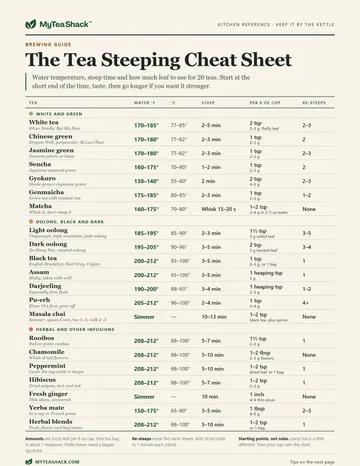
Free printable
The Tea Steeping Cheat Sheet
Water temperature, steep time and how much leaf to use for 20 teas, from sencha to rooibos, on one printable page. Plus five fixes for a bitter cup.