Best Teas for Menopause: What May Help With Symptoms
Herbal teas some women use for hot flashes, sleep and mood during menopause, what the evidence actually shows, and when to see your doctor.
In this guide · 6 sections
Menopause is a normal life stage, not an illness, but the drop in hormone production that comes with it can bring hot flashes, sleep trouble, mood changes and other discomforts. Some herbal teas are traditionally used alongside medical care to help ease these symptoms, though most have limited — not absent — research support.
Talk to Your Doctor First
Herbal teas can be a reasonable complement to menopause care, but they aren't a substitute for seeing your doctor about your symptoms, especially if they're significantly affecting your life. Some of the herbs below can interact with hormone therapy or other medications, so it's worth mentioning any new tea habit at your next appointment.
Herbal Teas Some Women Use for Menopause
Sage Tea
Traditionally used for hot flashes and night sweats; a few small studies support a modest benefit, though research is limited.
Linden Tea
Commonly used in the evening; there's little clinical research specific to menopause, but it's a low-risk, caffeine-free option for winding down.
Fennel Tea
Some research suggests fennel's plant compounds (phytoestrogens) may modestly ease menopausal symptoms compared with a placebo, though study sizes have been small.
Black Cohosh Tea
One of the more studied herbal options for hot flashes. Evidence is mixed overall, but a 2017 meta-analysis of 47 randomized trials found it more effective than placebo for hot flashes and night sweats, according to NCCIH. Rare but serious liver injury has been reported in people taking black cohosh products, so avoid long-term use without medical supervision, especially if you have a history of liver problems.
Ginseng Tea
Traditionally used for mood, sleep and general vitality during menopause rather than hot flashes specifically. Check with your doctor before using it if you take medication for diabetes or blood pressure.
Passionflower Tea
Often used for anxiety and sleep support; evidence is mostly limited to small studies, but it's generally considered low-risk in moderate amounts.
Valerian and Chamomile Tea
Both are commonly used for sleep support and relaxation, with more research behind valerian for sleep specifically.
Maca Tea
Used traditionally for energy and mood; some small studies suggest a possible effect on menopausal mood symptoms, but maca isn't well studied for hot flashes and should be discussed with a doctor if you have a hormone-sensitive condition.
Diet and Lifestyle During Menopause
Alongside any tea habit, a few diet and lifestyle patterns are well supported for menopause symptom management:
- Favor plant-based sources of calcium and reduce salt and added sugar.
- Limit caffeine and alcohol, especially in the evening, since both can trigger hot flashes and disrupt sleep.
- Stay physically active — regular exercise is associated with an easier menopausal transition and supports long-term bone and heart health.
- Dress in breathable, layered fabrics and keep your bedroom cool to manage hot flashes and night sweats.
Side Effects and Precautions
- Black cohosh and maca can interact with hormone-sensitive conditions or hormone therapy, and black cohosh has rare reports of liver injury — check with your doctor before regular use, and stop and see a doctor if you notice signs of liver trouble like yellowing skin or dark urine (NCCIH).
- Ginseng may interact with blood sugar or blood pressure medication.
- If hot flashes, mood changes or sleep problems are significantly affecting your quality of life, see your doctor — effective medical treatments exist beyond herbal tea.
Related guides: red clover tea and teas for menstrual cramps.
FAQ
What tea helps the most with hot flashes?
Sage and black cohosh have the most research behind them for hot flashes specifically, though results vary between individuals and studies.
Can herbal tea replace hormone therapy for menopause?
No — herbal teas may ease mild symptoms for some people, but they aren't a substitute for medical treatment if you and your doctor decide hormone therapy or another treatment is right for you.
Is it safe to drink menopause tea every day?
Most of the teas here are reasonable in daily moderate amounts, but check with your doctor first if you're on hormone therapy or have a hormone-sensitive health condition.
The Bottom Line
Sage, fennel, black cohosh and a few other herbal teas are worth trying as a complement to a healthy lifestyle during menopause, but the research behind most of them is still limited. If symptoms are significantly affecting your daily life, talk to your doctor about the full range of treatment options available.
For more targeted symptom relief, see our guides on teas for hot flashes and teas to help you relax, or browse our broader herbal tea benefits guide.
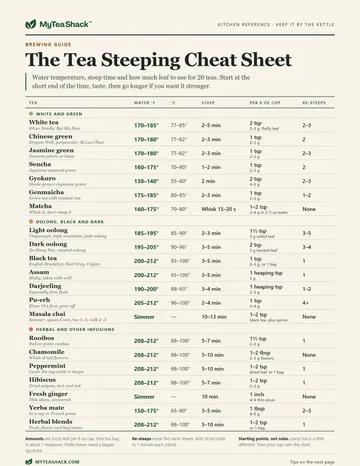
Free printable
The Tea Steeping Cheat Sheet
Water temperature, steep time and how much leaf to use for 20 teas, from sencha to rooibos, on one printable page. Plus five fixes for a bitter cup.