Red Clover Tea Benefits, Side Effects and How to Make It
Red clover tea is rich in isoflavones and may ease menopause symptoms. Learn its benefits, who should avoid it, and how to brew a cup.
In this guide · 7 sections
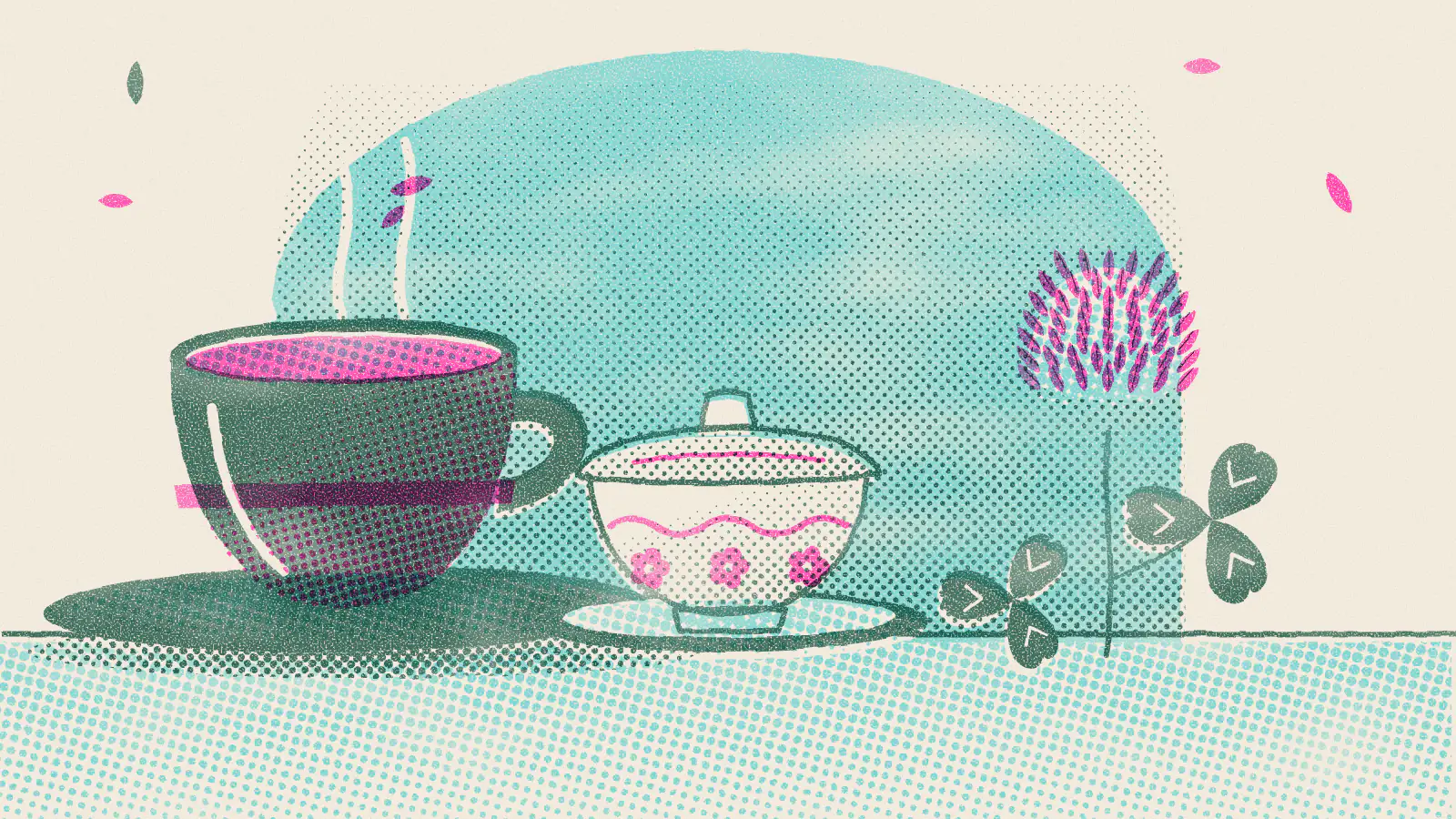
Red clover tea is a caffeine-free herbal infusion made from the flowers of Trifolium pratense. It's best known for its isoflavone content — plant compounds that behave somewhat like estrogen in the body — which is why it's most often used around menopause.
What Is Red Clover?
Red clover is a perennial plant with purple-pink flowers, native to Europe and Asia but now widespread in North America, where it's often grown as livestock feed and to improve soil fertility. The flowers are dried and steeped to make tea.
Beyond isoflavones, red clover contains calcium, magnesium, potassium, and vitamin C.
Potential Benefits
Menopause Symptoms
Red clover's isoflavones are structurally similar to estrogen, and it's traditionally used to manage hot flashes and other menopause symptoms. Memorial Sloan Kettering's About Herbs database notes that clinical evidence for this use is mixed, with some studies showing improvement over placebo and others not — talk to your doctor before using it for menopause symptoms, especially alongside other treatments.
PMS Symptoms
Some women use red clover tea to help with breast tenderness and cramping associated with PMS, though rigorous evidence for this specific use is limited.
Cardiovascular Support
Red clover contains beta-sitosterol, a plant sterol that some research associates with modest reductions in LDL cholesterol. It shouldn't replace prescribed cholesterol treatment.
Bone Health
Because estrogen decline contributes to bone loss after menopause, some researchers have studied whether red clover isoflavones might help slow that process. Findings so far are preliminary.
What the Evidence Doesn't Support
Older versions of this article repeated claims that red clover fights cancer or "detoxifies" the blood and organs. There isn't reliable human evidence for either claim. Red clover has estrogenic activity, and Memorial Sloan Kettering warns that it may worsen hormone-sensitive cancers, including some types of breast cancer — we've removed those claims rather than soften them. If you have a personal or family history of hormone-sensitive cancer, talk to your doctor before using red clover in any form.
Side Effects and Who Should Avoid It
- Pregnancy and breastfeeding: Avoid red clover during pregnancy and while breastfeeding; it may not be safe due to its hormone-like effects.
- Hormone-sensitive conditions: Avoid if you have a history of breast, ovarian, uterine, or prostate cancer, endometriosis, or uterine fibroids, unless your doctor says otherwise.
- Blood thinners: Red clover may increase bleeding risk if you take anticoagulants such as warfarin; check with a doctor first.
- Children: Not recommended for children under two.
- General: As with any herbal supplement, talk to your doctor before regular use, especially alongside hormone therapy or other medications.
How to Make Red Clover Tea
Ingredients:
- 2 cups water
- 1 tablespoon dried red clover flowers (3 tablespoons if fresh)
- Honey or lemon to taste
Instructions:
- Bring the water to a boil, then remove from heat.
- Add the red clover flowers and steep for about 5 minutes.
- Strain and add honey or lemon if desired.
Related: teas for hot flashes.
FAQ
Does red clover tea contain caffeine?
No. It's naturally caffeine-free, so it's fine to drink in the evening.
Can I drink red clover tea every day?
Most sources suggest 1–3 cups a day is reasonable for healthy adults, but check with your doctor first if you're managing a hormone-sensitive condition or take regular medication.
Is red clover tea safe during pregnancy?
No — avoid it during pregnancy and breastfeeding. If you're looking for pregnancy-safe options, see our guide to teas that are safe during pregnancy.
Does red clover help with fertility?
Some people use it for this reason, but solid clinical evidence is lacking. If fertility support is your goal, see our roundup of fertility teas for women for a broader look at what's actually been studied.
The Bottom Line
Red clover tea is a caffeine-free option some women use for menopause symptoms, thanks to its isoflavone content, though the evidence is still developing. It's not appropriate for everyone — especially during pregnancy or with hormone-sensitive conditions — so check with your doctor before adding it to your routine.
This post may contain affiliate links. If you buy through them, we may earn a small commission at no extra cost to you.
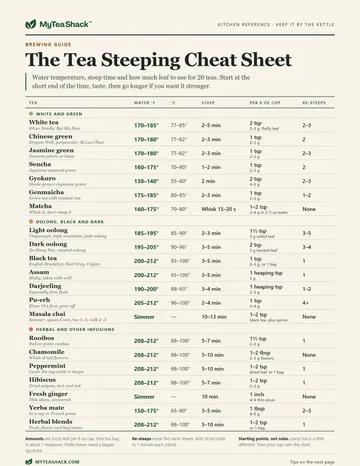
Free printable
The Tea Steeping Cheat Sheet
Water temperature, steep time and how much leaf to use for 20 teas, from sencha to rooibos, on one printable page. Plus five fixes for a bitter cup.