Jasmine Oolong Tea: Benefits, Caffeine and How to Brew It
What jasmine oolong tea is, its possible benefits, caffeine content compared to other jasmine teas, and how to brew a smooth cup at home.
In this guide · 8 sections
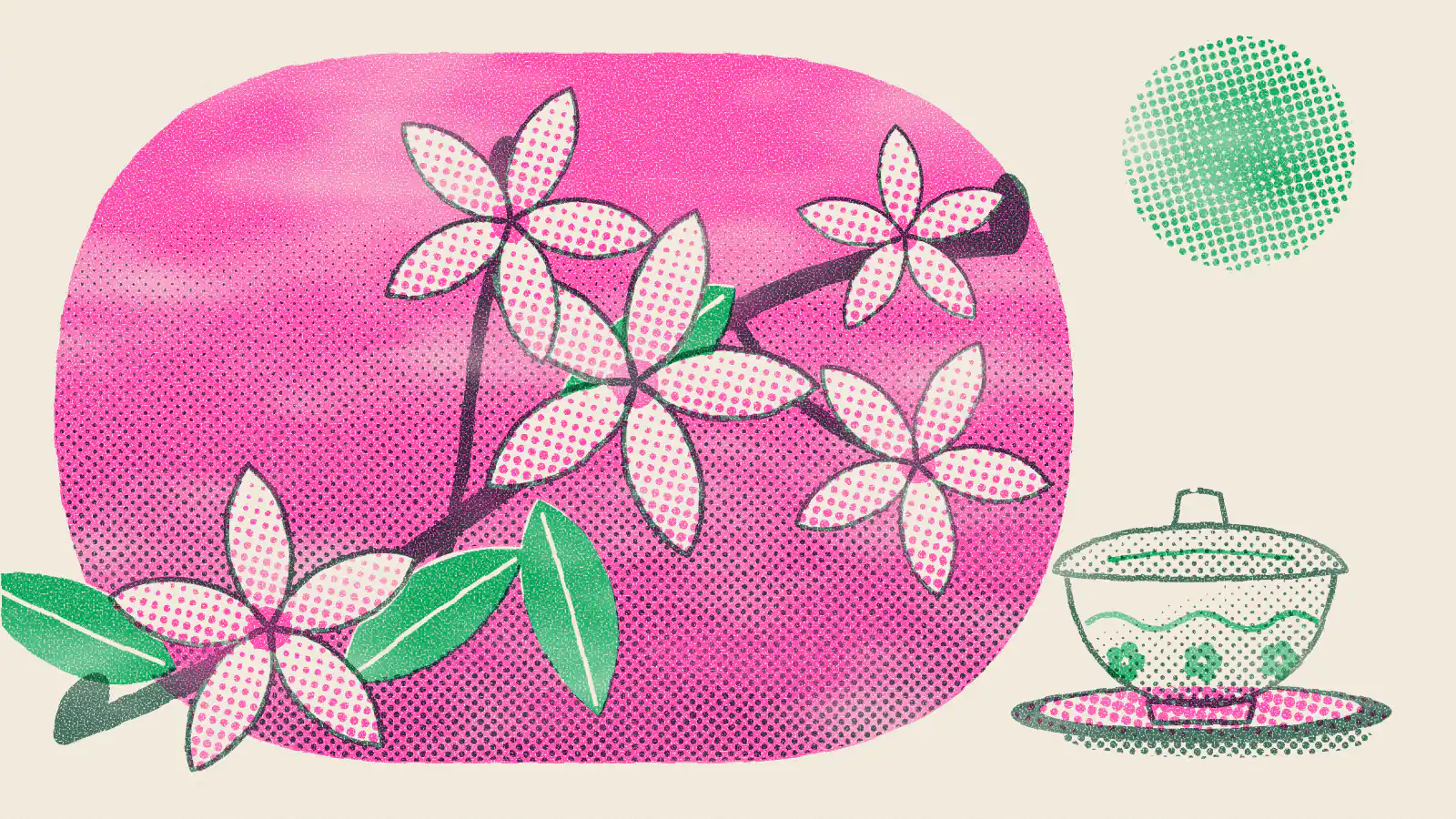
Jasmine oolong tea blends partially oxidized oolong leaves with the scent of fresh jasmine blossoms. The result is a smooth, subtly sweet tea with a floral aroma that has been popular in China for centuries.
What Is Jasmine Oolong Tea?
Jasmine tea is traditionally made by layering tea leaves with fresh jasmine flowers so the leaves absorb their fragrance overnight, then removing the spent blossoms. Jasmine green tea is the most common version, but jasmine oolong tea uses partially oxidized oolong leaves as its base, giving it a rounder, less grassy flavor with the same floral top notes.
The ratio of leaves to flowers, and how young the leaves are, varies by producer, which is why jasmine oolong can range from light and delicate to rich and toasty.
Potential Benefits of Jasmine Oolong Tea
Jasmine oolong combines the natural compounds found in tea leaves, mainly catechins and other polyphenols, with the aroma of jasmine flowers. Research on these components points to a few possible benefits.
May Support a Healthy Metabolism
Some research suggests the antioxidants in tea, including jasmine tea, may support metabolic activity, which is one reason it's sometimes included in weight-management routines alongside a balanced diet and exercise. It is not a substitute for either.
May Help You Relax
The scent of jasmine has been studied for its calming effect: in one small human study, inhaling jasmine tea's aroma reduced heart rate and shifted the nervous system toward a more relaxed state compared with unscented air. A warm cup can also simply be a good excuse to pause and unwind during a busy day.
Contains Antioxidants
Like other teas from the Camellia sinensis plant, jasmine oolong contains catechins, antioxidant compounds that help the body manage everyday oxidative stress from things like sun exposure and pollution.
May Support Immune Health
Some of the polyphenols in tea are associated with immune-supporting properties. Drinking tea regularly as part of an overall healthy diet may be a helpful habit, though it is not a treatment for any illness.
Does Jasmine Oolong Tea Have Caffeine?
Yes. Jasmine itself is caffeine-free, so the caffeine content depends entirely on the base tea. Oolong is partially oxidized and typically falls between green and black tea in strength, usually around 30–60 mg of caffeine per 8-ounce cup, though this varies with the leaf grade and steep time. If you want a jasmine-scented option without caffeine, look for a caffeine-free jasmine rooibos blend instead.
Other Jasmine Tea Blends
- Jasmine green tea – the classic and most widely produced version.
- Jasmine white tea – delicate, sweet and low in astringency.
- Jasmine black tea – less common, with a bolder, more caffeinated base.
- Jasmine rooibos – naturally caffeine-free, a good option for evening drinking.
If you're curious about other oolong styles, our guide to the best oolong teas to try is a good next stop.
How to Make Jasmine Oolong Tea
- Heat water to about 185–195°F (85–90°C); boiling water can scorch the delicate leaves.
- Use one teaspoon of loose leaf per 8 ounces of water.
- Steep for 2–3 minutes.
- Strain and enjoy plain; jasmine oolong rarely needs milk or sugar.
Side Effects and Precautions
Jasmine oolong contains caffeine, so it can cause jitteriness, disrupted sleep or a fast heartbeat in people who are sensitive to it or who drink it in large amounts. If you're pregnant, breastfeeding or managing a caffeine-sensitive condition, talk to your doctor about how much is appropriate for you.
FAQ
Is jasmine oolong tea good before bed?
Because it contains caffeine, it's better suited to daytime drinking. For an evening cup, choose a jasmine rooibos blend instead.
Is jasmine oolong tea the same as jasmine green tea?
No. Both are scented with jasmine flowers, but jasmine oolong uses partially oxidized oolong leaves, giving it a smoother, less grassy taste than jasmine green tea.
How much caffeine is in jasmine oolong tea?
Typically around 30–60 mg per cup, though this varies by brand and steep time.
The Bottom Line
Jasmine oolong tea pairs the natural qualities of oolong with the calming scent of jasmine flowers, making it a pleasant, moderately caffeinated tea to enjoy throughout the day. Brew it gently and it makes a fragrant alternative to your usual cup.
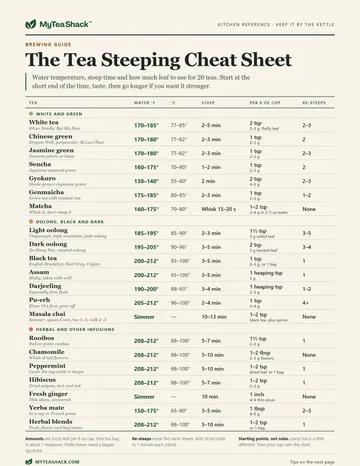
Free printable
The Tea Steeping Cheat Sheet
Water temperature, steep time and how much leaf to use for 20 teas, from sencha to rooibos, on one printable page. Plus five fixes for a bitter cup.