Types of Green Tea: Varieties, Flavors and Benefits
Explore the main types of green tea from China and Japan, how their flavors differ, ideal brewing temperatures, and who should be cautious drinking it.
We may earn a commission when you buy through links in this guide, at no extra cost to you. How we make money.
In this guide · 6 sections
Green tea isn't one single drink: it's a whole family within the main types of tea, varying by growing region, harvest and processing. Chinese green teas tend to be soft, sweet and vegetal, while Japanese green teas are more intense, with grassy, seaweed-like notes. Here's how the major varieties compare and how to brew each one. A good loose-leaf green tea from Buddha Teas is an easy way to start comparing them.
Chinese vs. Japanese Green Tea
Chinese green teas are typically pan-fired, which gives them a softer, sweeter, more delicate character with notes of cooked vegetables and toasted nuts. Japanese green teas are usually steamed, which locks in a more intense, slightly astringent flavor with raw-vegetable and seaweed notes.
Popular Types of Green Tea and How to Brew Them
The temperatures below match our full tea steeping chart, which also covers oolong, black and herbal teas.
| Type | Origin | Water Temp | Steep Time |
|---|---|---|---|
| Longjing (Dragon Well) | China | 167–176°F | 2 minutes |
| Sencha | China / Japan | 158–176°F | 1–2 minutes |
| Mao Feng | China | 167–176°F | 2 minutes |
| Gunpowder | China | 167–176°F | 2 minutes |
| Gyokuro | Japan | 140–149°F | 1–2 minutes |
| Matcha | Japan | 158–167°F | 20–30 seconds (whisked, not steeped) |
Note how much cooler gyokuro is brewed compared to the others — using boiling water on delicate Japanese greens is the most common cause of a bitter cup.
Why People Drink Green Tea
- Rich in antioxidants. Green tea, especially matcha, is high in catechins, which help neutralize free radicals in the body.
- May support fat burning during exercise. Some studies suggest green tea catechins can modestly increase fat oxidation during moderate exercise.
- May be linked to a lower risk of type 2 diabetes, though more research is needed to confirm the effect.
- Cholesterol. NCCIH notes that green tea produces a small reduction in total and LDL cholesterol.
- Contains flavonoids that may help protect cells from oxidative stress.
These are associations seen in early or limited research, not guarantees — green tea is a healthy habit, not a treatment for any condition.
Side Effects and Precautions
- Caffeine sensitivity, anxiety or heart rhythm issues: the caffeine in green tea can worsen these; keep intake moderate.
- Pregnancy and breastfeeding: most guidance suggests limiting green tea to about 2 cups a day; talk to your doctor about what's right for you.
- Blood sugar conditions: if you have diabetes, monitor your blood sugar since caffeine can affect glucose control.
- Bleeding disorders or blood thinners: ask your doctor before drinking green tea regularly.
- Liver conditions: concentrated green tea extract supplements (not brewed tea) have been linked to rare cases of liver injury, according to NCCIH; check with your doctor if you have liver disease and want to use extracts.
- Iron deficiency or anemia: tannins in green tea can reduce iron absorption; drink it between meals rather than with them.
- Children: green tea in normal food and beverage amounts is generally considered safe, but concentrated extracts aren't recommended for children.
FAQ
What is the mildest type of green tea?
Gyokuro and other shade-grown Japanese teas tend to be smooth and less bitter when brewed at the right (cooler) temperature. Among Chinese teas, Longjing is known for being soft and mellow.
Is matcha stronger than regular green tea?
Yes. Because you consume the whole ground leaf rather than an infusion, matcha delivers more caffeine and antioxidants per cup than steeped green tea.
Can I drink green tea every day?
Most healthy adults can enjoy 2–3 cups of green tea a day without issues. If you're sensitive to caffeine or pregnant, keep it to about 1–2 cups and check with your doctor.
The Bottom Line
From delicate Japanese gyokuro to bold Chinese gunpowder, green tea offers a wide range of flavors along with a solid antioxidant profile. Brew each variety at the temperature it calls for to avoid bitterness, and keep intake moderate if you're pregnant, caffeine-sensitive or on medication. If weight management is your main interest, see our best green teas for weight loss guide, and for a broader intro to the category, check out Japanese green tea and seven surprising green tea benefits.
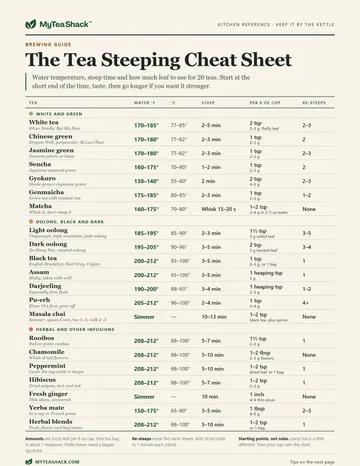
Free printable
The Tea Steeping Cheat Sheet
Water temperature, steep time and how much leaf to use for 20 teas, from sencha to rooibos, on one printable page. Plus five fixes for a bitter cup.