9 Best Metabolism Boosting Teas to Try
The best teas for boosting metabolism, including oolong, green and ginger tea, and how they fit into a healthy weight routine.

In this guide · 7 sections
Certain teas can give your metabolism a small, temporary boost, mainly through caffeine and plant compounds like catechins. That effect is real but modest, so think of these teas as a helpful complement to diet and exercise rather than a metabolism hack on their own.
How Metabolism Works
Metabolism is the set of chemical processes your body uses to convert food into energy. A faster metabolic rate means your body burns calories more efficiently, even at rest, while a slower one makes weight management more challenging.
Tea's effect on metabolism is generally modest: research suggests some teas can increase energy expenditure by a small percentage, which adds up over time but isn't a substitute for a balanced diet and regular activity.
9 Best Metabolism Boosting Teas
Oolong Tea
A small study in men found oolong tea increased metabolic rate and fat oxidation over the following hours, and another found it raised energy expenditure more than green tea in women. Its flavor sits between green and black tea.
Green Tea
Green tea's catechins are linked to a modest, temporary increase in metabolic rate and fat oxidation. Drinking 2–4 cups a day is the amount typically used in studies.
Black Tea
Black tea's caffeine and antioxidants may offer a mild metabolism boost and support alertness, similar to other caffeinated teas.
Ashwagandha Tea
Ashwagandha is an adaptogen studied for lowering cortisol levels, which plays a role in metabolism and stress. It can also increase thyroid hormone levels, so it isn't a general "thyroid support" herb — NCCIH advises against it for people with thyroid disorders and notes it may interact with thyroid medication.
Ginger Tea
Ginger may increase metabolic activity for a few hours after consumption and has additional anti-inflammatory and digestive benefits.
Turmeric Tea
Turmeric's active compound, curcumin, is associated with a mild metabolic boost and supports overall digestive health.
Hibiscus Tea
Hibiscus may affect how the body processes dietary fat and sugar, which can support a modest metabolic effect alongside its pleasant tart flavor.
Sencha Green Tea
A classic Japanese green tea with a mild thermogenic effect, meaning it may slightly raise body temperature and calorie burn.
Lemongrass Green Tea
Combining lemongrass with green tea may support digestion and stored-fat metabolism, in addition to green tea's own benefits.
Metabolism-Supporting Foods
Tea works best alongside a diet that naturally supports metabolism:
- Lean protein (chicken, fish, legumes) requires more energy to digest than fat or carbs.
- Whole grains like brown rice and oats are more energy-intensive to digest than refined grains.
- Spicy foods containing capsaicin can temporarily raise body temperature and calorie burn.
- Iron-rich foods like lentils help prevent the fatigue that comes with iron deficiency, which can slow you down.
Metabolism and Age
Metabolism naturally slows with age as muscle mass declines, but regular exercise, adequate protein, and good sleep habits can help offset much of that decline.
Side Effects and Precautions
Caffeinated teas like oolong, green and black tea can cause jitteriness, disrupted sleep, or stomach upset in large amounts, generally more than 3–4 cups a day. Ashwagandha isn't recommended during pregnancy or if you have a thyroid condition without talking to your doctor first, since it can affect thyroid hormone levels. If you take medication for blood pressure, blood sugar or thyroid function, check with your doctor before making any of these teas a daily habit.
FAQ
Does tea really boost metabolism?
Yes, modestly. Studies show teas like green and oolong can raise energy expenditure slightly, but the effect is small compared to diet and exercise.
What is the best tea for boosting metabolism?
Oolong and green tea have the most research behind them, both offering a mild, temporary metabolic lift from their catechin content.
How many cups of tea should I drink to boost metabolism?
Most studies use 2–4 cups a day. More isn't necessarily better and can bring unwanted caffeine-related side effects.
Can tea alone help you lose weight?
No. Tea can support a weight-loss plan, but sustainable results come from an overall balanced diet and regular physical activity.
The Bottom Line
Oolong, green and black tea offer a real, if modest, boost to metabolism thanks to caffeine and antioxidant compounds. They're a smart addition to a healthy lifestyle, not a stand-alone solution. To build out a full routine, see our guides on fat burning tea and Japanese tea for weight loss, or check whether green tea is a fat burner.
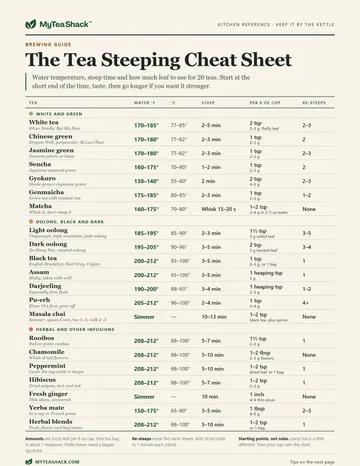
Free printable
The Tea Steeping Cheat Sheet
Water temperature, steep time and how much leaf to use for 20 teas, from sencha to rooibos, on one printable page. Plus five fixes for a bitter cup.