Lemon Ginger Tea: Benefits, Side Effects and Recipe
What lemon ginger tea can do for digestion and immunity, side effects and who should be cautious, plus recipes with and without honey.

We may earn a commission when you buy through links in this guide, at no extra cost to you. How we make money.
In this guide · 8 sections
Lemon ginger tea combines fresh ginger root and lemon in hot water, and it's one of the more evidence-backed herbal combinations out there: ginger in particular has real research behind it for nausea and digestion. Quick version: simmer 1 tablespoon of sliced fresh ginger in 1 cup of water for 5 to 10 minutes, strain, then stir in the juice of half a lemon. Here's what it can genuinely do, what to watch for, and a few ways to make it.
What Is Lemon Ginger Tea?
The tea is simply fresh ginger root and lemon slices (or juice) steeped in hot water. Both ingredients have a long history in traditional medicine across Asia, and both hold up reasonably well under modern research, especially ginger.
Fresh Ginger vs. Tea Bags
Both work, and the choice mostly comes down to time and how strong you like it.
| Fresh ginger | Ginger tea bags | |
|---|---|---|
| Flavor | Sharper, more peppery | Milder, more consistent |
| Prep time | 5–10 minutes (simmer) | 3–5 minutes (steep) |
| Ratio | ~1 tbsp sliced root per cup | 1 bag per cup |
| Best for | Stronger cold or nausea relief | A quick daily cup |
If you're using a bag, steep it a few minutes longer than the box suggests and add the lemon after, so the citrus doesn't dull while it steeps.
Potential Benefits of Lemon Ginger Tea
- Digestive support. NCCIH notes that ginger may help with nausea, including nausea related to pregnancy, though evidence for motion sickness is weaker and general digestive support is mostly traditional use.
- Immune support. Lemon is a good source of vitamin C, which supports normal immune function; ginger adds antioxidant compounds on top of that.
- Anti-inflammatory compounds. Ginger's active compounds, gingerols, have been studied in small human trials for easing muscle soreness after exercise.
- Menstrual cramp relief. A systematic review and meta-analysis of ginger for menstrual pain found it comparable to some over-the-counter pain relievers, though the number of trials is still small.
- Cold and cough support. Ginger's warming, mildly expectorant qualities make it a common home remedy alongside honey and lemon for a scratchy throat or cough.
Claims that lemon ginger tea "burns fat," "detoxifies" the body, or reliably causes a specific amount of weight loss aren't supported by solid evidence. Treat it as a supportive habit, not a weight-loss method.
How to Make Lemon Ginger Tea
Basic recipe:
- Peel and slice about 1 tablespoon of fresh ginger root.
- Add it to 1 cup of water and bring to a boil.
- Reduce heat and simmer for 5–10 minutes.
- Strain into a cup, then add the juice of half a lemon.
- Sweeten with honey if you like.
With honey: Stir in a teaspoon of honey after straining. It pairs especially well if you're drinking the tea for a sore throat or cough, since honey has its own soothing, mildly antibacterial properties.
As ginger lemon water: For a milder, cold version, slice ginger and lemon into a pitcher of water and let it infuse in the fridge for a few hours or overnight.
What to Buy
Fresh ginger root and a lemon from the grocery store are all you need. If you want it on hand without prepping fresh root every time, a bagged ginger tea from Buddha Teas is a reasonable shortcut, and a simple ceramic or ginger grater makes peeling and mincing fresh root faster than a knife.
Side Effects and Precautions
- General safety. The FDA classifies ginger as "generally recognized as safe," and most people tolerate it well in food and tea amounts.
- Acid reflux. High amounts of ginger can worsen heartburn or acid reflux in some people.
- Blood thinners and surgery. Ginger may reduce blood clotting; Memorial Sloan Kettering's guidance advises against ginger supplements around surgery or if you have a bleeding disorder, and to talk to your doctor before increasing intake if you take anticoagulant medication such as aspirin or warfarin.
- Gallstones. Ginger can stimulate bile flow, so people with gallstones or gallbladder disease should check with a doctor before regularly drinking ginger tea.
- Pregnancy. Food and tea amounts of ginger are commonly used for morning sickness and are generally considered low-risk, but concentrated ginger supplements are a different matter. Talk to your doctor about what's appropriate for you, especially in the first trimester.
- Citrus sensitivity. Lemon's acidity can bother some people's stomach or teeth enamel with frequent use; rinsing with water afterward helps.
Related guides: ginger tea for the skin and whether ginger tea affects blood pressure.
FAQ
Can lemon ginger tea help with nausea?
Yes. Ginger has real research behind it for easing nausea, including morning sickness and nausea from chemotherapy or motion sickness.
Is lemon ginger tea good before bed?
It's naturally low in caffeine, so it's generally fine in the evening, though the ginger's warming effect works for some people and not others.
Can I drink lemon ginger tea every day?
Most healthy adults can. If you take blood thinners or have gallbladder disease, check with your doctor about how much is appropriate.
Does adding honey change the benefits?
Honey adds its own mild antibacterial and soothing properties, which is why it's a common addition when the tea is used for a cough or sore throat.
The Bottom Line
Lemon ginger tea is one of the more research-backed herbal combinations, especially for nausea, digestion, and mild inflammation. It's a reasonable daily habit for most people, just don't expect it to burn fat or replace medical treatment, and check with your doctor first if you're pregnant, on blood thinners, or have gallbladder disease.
For related recipes, see our guides to black tea with lemon, green tea with lemon, and teas for bloating and indigestion.
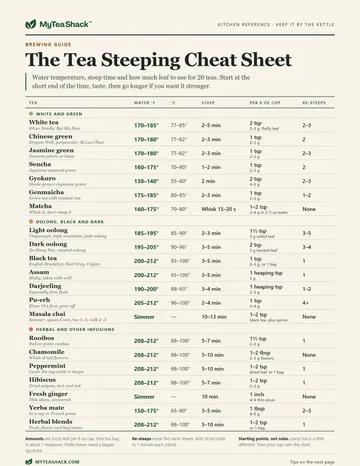
Free printable
The Tea Steeping Cheat Sheet
Water temperature, steep time and how much leaf to use for 20 teas, from sencha to rooibos, on one printable page. Plus five fixes for a bitter cup.