Does Ginger Tea Reduce High Blood Pressure?
Can ginger tea lower blood pressure? Learn what the evidence says, who should avoid it, and how it can interact with blood pressure medication.
In this guide · 7 sections
Ginger tea is sometimes mentioned as a natural way to support healthy blood pressure, but the clinical evidence in humans is thin. If you're being treated for hypertension, ginger should be an addition you discuss with your doctor, not a replacement for medication.
What Ginger May Do for Blood Pressure
Some lab and animal research suggests compounds in ginger may help relax blood vessels, but the NIH National Center for Complementary and Integrative Health does not list blood pressure as an effect backed by human evidence. Treat any blood-pressure benefit as an open research question, not a proven effect — and never as a reason to skip or reduce prescribed medication.
Ginger: Background and Common Uses
Ginger (Zingiber officinale) is a flowering plant whose rhizome, the underground stem, is used fresh, dried or as tea. It has a long history in traditional medicine, particularly in Chinese and Ayurvedic practice, where it's used for nausea, digestive complaints and inflammation. Most people tolerate ginger well at typical culinary and tea-strength doses (generally cited as under about 5 grams a day of the dried root), though higher doses raise the risk of side effects.
Why Caution Matters for People With Hypertension
If you're managing high blood pressure with medication, ginger deserves a conversation with your doctor first, for a few reasons:
It May Amplify Blood-Pressure-Lowering Medication
Combining ginger with vasodilator or blood-pressure medications could, in theory, cause blood pressure to drop more than intended.
It May Interact With Blood Thinners
Ginger may inhibit platelet function, and Memorial Sloan Kettering's About Herbs database notes case reports of increased bleeding risk (including unusual bruising and elevated INR) in people combining ginger with blood-thinning medication. If you're on blood thinners, talk to your doctor before adding ginger tea regularly.
It's Not Recommended in Certain Conditions
Talk to your doctor before drinking ginger tea regularly if you:
- Have a heart condition
- Are underweight (ginger has a mild appetite-suppressing effect for some people)
- Are pregnant (typical culinary and tea amounts are generally considered acceptable for nausea, but talk to your doctor about a safe amount, especially at higher doses)
- Have hemophilia or another bleeding disorder
How to Make Ginger Tea
- Slice or grate about 1 inch of fresh ginger root.
- Simmer in 2 cups of water for 10–15 minutes.
- Strain and add honey or lemon to taste.
Side Effects and Precautions
- Ginger tea is generally safe in normal amounts for most healthy adults.
- Stop or reduce use if you notice heartburn, unusual bruising, or lightheadedness.
- Always check with your doctor before using ginger tea to manage a diagnosed medical condition, including hypertension.
FAQ
Can ginger tea replace blood pressure medication?
No. Ginger tea should never replace prescribed blood pressure medication. At most, it may be a complementary habit discussed with your doctor.
Is ginger tea safe every day?
For most healthy adults, moderate daily ginger tea is generally considered safe, but check with your doctor if you take medication or have an underlying condition.
Does ginger tea interact with any medications?
Yes, notably blood thinners and blood pressure medications. Tell your doctor about any regular ginger tea consumption.
The Bottom Line
Ginger tea may offer mild support for blood vessel health, but the research is still early, and it can meaningfully interact with blood pressure and blood-thinning medications. If you have hypertension, talk to your doctor before making ginger tea a regular habit.
For related reading, see are herbal teas good for blood pressure, should you drink tea for low blood pressure, and the power of lemon ginger tea.
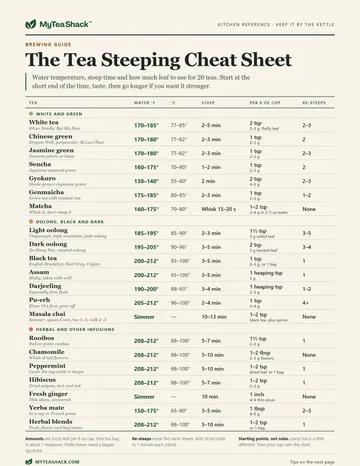
Free printable
The Tea Steeping Cheat Sheet
Water temperature, steep time and how much leaf to use for 20 teas, from sencha to rooibos, on one printable page. Plus five fixes for a bitter cup.