Best Teas for the Respiratory System and Chest Congestion
The best herbal teas for the respiratory system, including eucalyptus, thyme, and licorice, plus what may help with coughs and congestion.

In this guide · 6 sections
Certain herbal teas have long been used to ease mild respiratory discomfort like a stuffy nose, cough, or scratchy throat. They can be a soothing addition to your routine during cold season, though they don't replace medical treatment for asthma, bronchitis, or other diagnosed conditions.
Teas That May Support Respiratory Comfort
Eucalyptus Leaf Tea
Eucalyptus is one of the most commonly recommended plants for respiratory support. It contains a compound called cineole, which may act as an expectorant and help ease coughing and nasal congestion.
Chamomile Tea
Research has found that inhaling steam with chamomile extract may help ease common cold symptoms. Drinking a warm cup can also feel soothing when you're under the weather.
Licorice Root Tea
Licorice root has traditionally been used to soothe the throat's mucous membranes and may have a mild expectorant effect, helping to loosen phlegm. It also contains compounds with antibacterial and antiviral properties.
Mullein Leaf Tea
Mullein leaves and flowers are used in herbal teas thought to help support healthy lung tissue and calm irritation in the respiratory tract.
Turmeric Tea
Turmeric's active compound, curcumin, may help thin mucus and ease chest congestion, and it's associated with supporting the body's response to minor coughs and colds.
Thyme Tea
Thyme has been studied for its role in fighting respiratory tract infections and may help ease chest congestion.
Fennel Seed Tea
Fennel has mild expectorant properties and may help ease symptoms associated with a cough, cold, or nasal congestion.
What Tea Is Best for Chest Congestion?
A cup of mint, chamomile, or eucalyptus tea is a common choice for chest congestion. Adding honey instead of sugar may provide extra soothing benefit. Staying well hydrated also helps keep mucus thinner and easier to clear.
Green Tea for Respiratory Health
Green tea is a natural source of small amounts of theophylline, a compound related to those used in some asthma medications, and its antioxidants may help reduce lung inflammation. A large study of Korean adults found that people who drank green tea at least twice a day had better lung function and lower odds of chronic obstructive pulmonary disease (COPD) than non-drinkers. This is an association, not proof that tea itself improves lung function — always follow your doctor's asthma or COPD treatment plan.
Side Effects and Precautions
- Licorice root tea in large amounts can raise blood pressure; choose deglycyrrhizinated licorice (DGL) if you have hypertension.
- Herbal teas can complement — but should never replace — prescribed treatment for asthma, chronic bronchitis, or other diagnosed respiratory conditions.
- If a cough, congestion, or breathing difficulty is severe, persistent, or accompanied by fever, see a doctor.
Seasonal sniffles can overlap with other triggers, so it may also help to read whether tea helps with allergies.
FAQ
What tea is good for mucus?
Eucalyptus, thyme, and licorice root teas are commonly used for their expectorant properties, which may help loosen and clear mucus.
Is green tea good for bronchitis?
Green tea's antioxidants may offer some supportive benefit, but it isn't a treatment for bronchitis — see a doctor for a proper diagnosis and treatment plan.
What is the best tea for a sore throat?
Ginger tea with honey and lemon is a popular, soothing choice for a sore throat.
The Bottom Line
Eucalyptus, chamomile, licorice root, thyme, and turmeric teas are commonly used to ease mild respiratory discomfort like congestion and coughing. They're a comforting complement to rest and hydration, but see a doctor for asthma, bronchitis, or any persistent respiratory symptoms.
For more cold-season support, check out best teas for surviving the cold and flu season and boost your immunity with tea.
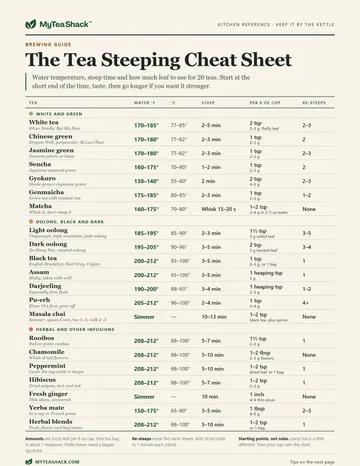
Free printable
The Tea Steeping Cheat Sheet
Water temperature, steep time and how much leaf to use for 20 teas, from sencha to rooibos, on one printable page. Plus five fixes for a bitter cup.