Teas for Sleep: The Best Options and How They Work
Which teas can help you sleep better, why they may work, and how to use them safely. Chamomile, valerian, lavender and more.

In this guide · 6 sections
Certain herbal teas, especially chamomile, valerian and lavender, are traditionally used to wind down before bed and may support relaxation. They're not a cure for insomnia, but as part of a good bedtime routine they can help you settle in for the night.
Is Drinking Tea at Night Bad?
It depends on the tea. Caffeinated teas (black, green, oolong, white) can interfere with falling asleep, so it's best to avoid them in the evening. Naturally caffeine-free herbal teas — chamomile, valerian, lavender, lemon balm and similar — are generally fine before bed and are exactly what most people mean by a "sleepytime" tea.
Best Teas for Sleep
Chamomile Tea
One of the most widely used sleep teas. Chamomile has a long history of traditional use for relaxation, and some research supports mild calming effects, though NCCIH notes that evidence for chamomile's effectiveness for any health condition is limited. It may also help take the edge off mild tension, such as a headache or menstrual cramps, thanks to its anti-inflammatory properties. It's generally well tolerated, though people allergic to ragweed, daisies or related plants should be cautious, as chamomile can trigger allergic reactions in sensitive individuals, and it's been reported to interact with warfarin and other blood thinners. If you're pregnant, talk to your doctor before making chamomile tea a regular habit — NCCIH notes there isn't enough reliable data on chamomile's safety in pregnancy, and some sources caution that high-dose chamomile extracts may stimulate uterine activity.
To brew it: bring 1 cup (250 ml) water to a boil, add 1/2 tablespoon (about 5 g) dried chamomile flowers, and steep for 10 minutes. Strain, sweeten with honey if you like, and drink it 30–45 minutes before bed to give your body time to wind down. For more, see our guides on what chamomile tea is good for and chamomile tea during pregnancy.
Valerian Root Tea
Valerian is one of the most researched herbal sleep aids, but NCCIH notes the evidence is inconsistent, and there isn't enough reliable data to say whether it actually helps with sleep problems. Some individual studies suggest a modest benefit for falling asleep faster, but results vary a lot from study to study and person to person, so it's best viewed as unproven rather than reliably effective.
Lavender Tea
Best known through aromatherapy, lavender tea is also used for its calming properties. A cup before bed as part of a wind-down routine may help you relax.
Lemon Balm (Melissa) Tea
Lemon balm is traditionally used to ease stress and mild anxiety, and it's often combined with chamomile or valerian for a stronger calming effect.
Passionflower Tea
Passionflower contains compounds studied for mild calming and sleep-supporting effects, and is traditionally used for nervousness and occasional insomnia.
Peppermint Tea
Peppermint doesn't have strong sedative properties, but its ability to soothe digestion can make it a good caffeine-free choice in the evening, especially if an upset stomach is keeping you up.
Rosemary and Linden Tea
Rosemary is mostly known as a culinary herb, but it's sometimes included in bedtime blends for its mild muscle-relaxing reputation. Linden tea is a traditional calming infusion in many cultures and is often combined with other herbs for a soothing bedtime cup.
How to Get More From Your Sleep Tea
Drinking tea alone won't fix chronic insomnia. Pair it with good sleep habits:
- Go to bed and wake up at consistent times, even on weekends.
- Avoid caffeine and nicotine, especially in the afternoon and evening.
- Get regular exercise, but not too close to bedtime.
- Limit alcohol before bed — it disrupts sleep quality even if it makes you drowsy at first.
- Dim screens and bright lights in the hour before bed.
Side Effects and Precautions
- Chamomile can cause allergic reactions in people sensitive to ragweed or related plants; large amounts have occasionally been linked to vomiting.
- If you're pregnant or breastfeeding, check with your doctor before drinking chamomile, valerian, lavender or other herbal teas regularly, since safety data during pregnancy is limited for several of these herbs.
- Valerian can cause grogginess the next morning in some people; avoid combining it with alcohol or sedative medications without medical advice.
- If insomnia persists for more than a few weeks or affects your daily life, see a doctor rather than relying on tea alone.
Related: chamomile tea with honey, and whether green tea at night will keep you up.
FAQ
Is it safe to drink chamomile tea every night?
For most healthy adults, yes. If you're pregnant, allergic to related plants, or on medication, check with your doctor first.
What is the best tea for falling asleep fast?
Valerian root tea has the most research behind it for shortening the time it takes to fall asleep, though chamomile is a gentler, more popular starting point.
Can tea alone cure insomnia?
No. Tea can support a bedtime routine, but ongoing insomnia is best addressed with good sleep habits and, if needed, a doctor's guidance.
The Bottom Line
Chamomile, valerian and lavender are the best-supported teas for winding down before bed. Use them as part of a consistent bedtime routine rather than a stand-alone fix, and check with your doctor if you're pregnant or dealing with persistent insomnia.
Related reading: Can Green Tea Cause Heart Palpitations?, Can You Drink Herbal Tea While Fasting?, Is Green Tea a Diuretic?
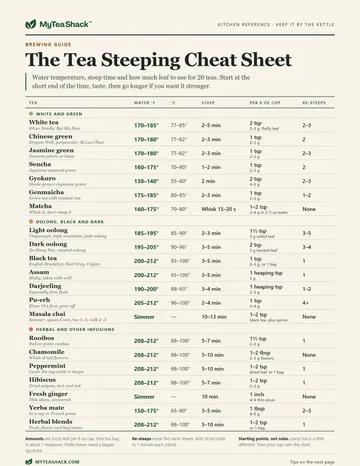
Free printable
The Tea Steeping Cheat Sheet
Water temperature, steep time and how much leaf to use for 20 teas, from sencha to rooibos, on one printable page. Plus five fixes for a bitter cup.