Is Chamomile Tea Safe During Pregnancy?
Is chamomile tea safe to drink while pregnant? Here's what's known about benefits, risks, safe amounts and other herbal teas to avoid.

In this guide · 7 sections
Chamomile tea is a popular home remedy for nausea, poor sleep and stomach discomfort, all common complaints during pregnancy. But because research on herbal teas in pregnancy is limited, most experts recommend moderation rather than regular daily use, and checking with your doctor before adding it to your routine.
Why Pregnant Women Consider Chamomile Tea
Chamomile is best known for its digestive and calming properties. It's traditionally used to:
- Ease nausea and mild stomach upset
- Support better sleep
- Take the edge off occasional anxiety
- Help with mild bloating and gas
These are exactly the discomforts many people experience during pregnancy, which is why chamomile tea is a common go-to.
Is It Safe? What the Evidence Says
According to the NIH National Center for Complementary and Integrative Health, little is actually known about whether chamomile is safe during pregnancy or while breastfeeding — it hasn't been well studied either way. Because of that uncertainty, many clinicians recommend keeping intake occasional rather than daily, and some are more cautious during the first trimester, when many recommend avoiding herbal teas altogether unless a doctor has specifically approved them.
Because chamomile has mild anti-inflammatory and hormone-like plant compounds, very high or frequent intake is discouraged, particularly for anyone with a history of miscarriage or hormone-sensitive conditions.
Bottom line: talk to your doctor or midwife before adding chamomile tea to your routine, especially in the first trimester.
How Much Chamomile Tea Is Considered Moderate?
Most sources suggest no more than one cup a day if your doctor has approved it, and only occasional use (rather than daily) during the first trimester. This isn't a hard medical limit — it's a general moderation guideline, and your own provider's advice should take priority.
Other Teas to Watch During Pregnancy
Caffeinated teas (black, green, white, oolong) should be limited during pregnancy, as excess caffeine has been linked to lower birth weight and other risks. Most guidelines suggest keeping total caffeine under 200 mg a day from all sources combined.
Herbal teas that are generally considered lower-risk in moderation include:
- Ginger tea, for nausea (in small amounts)
- Peppermint tea, for digestion
- Lemon balm, for mild relaxation
Teas that are best avoided or used only with medical guidance include raspberry leaf (often saved for later pregnancy under a provider's direction) and any tea marketed for "detox," weight loss, or inducing labor, since these claims aren't well supported by evidence and can carry real risks.
Side Effects and Precautions
- Allergies: chamomile is part of the ragweed family; avoid it if you're allergic to ragweed, daisies or marigolds.
- Medication interactions: the NIH NCCIH reports interactions between chamomile and warfarin (a blood thinner) and drugs processed by the liver; tell your doctor about any tea you drink regularly.
- Labor and induction: there's no reliable evidence that chamomile or any herbal tea safely induces labor — don't use tea as a substitute for medical care near your due date.
- When in doubt, skip it: if you're unsure about an ingredient, it's safest to check with your OB before drinking it regularly.
If you're still trying to conceive, our guide to fertility teas covers which herbs are commonly used and which to be careful with.
FAQ
Can I drink chamomile tea in the first trimester?
Some providers advise avoiding herbal teas in the first trimester as a precaution. Check with your doctor before drinking chamomile tea early in pregnancy.
Does chamomile tea help with morning sickness?
Many people find it soothing for mild nausea, though it isn't a proven treatment. Ginger tea has more research behind it for nausea relief.
Is chamomile tea safe while breastfeeding?
Moderate amounts are generally considered acceptable, but check with your pediatrician or doctor, since some compounds can pass through breast milk.
The Bottom Line
Chamomile tea can be a comforting way to manage mild pregnancy discomforts, but the safety data is limited, so moderation and a conversation with your doctor are the safest approach, particularly in the first trimester.
For more on this topic, see which teas are safe during pregnancy and is green tea bad for pregnant women.
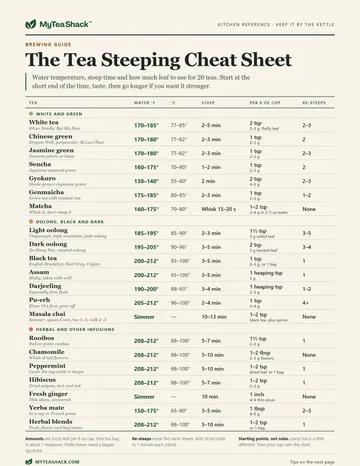
Free printable
The Tea Steeping Cheat Sheet
Water temperature, steep time and how much leaf to use for 20 teas, from sencha to rooibos, on one printable page. Plus five fixes for a bitter cup.