Can You Drink Herbal Tea While Fasting? Full Guide
Find out whether herbal tea breaks a fast, which herbal and caffeinated teas are safest, and the pros and cons of tea during intermittent fasting.
In this guide · 8 sections
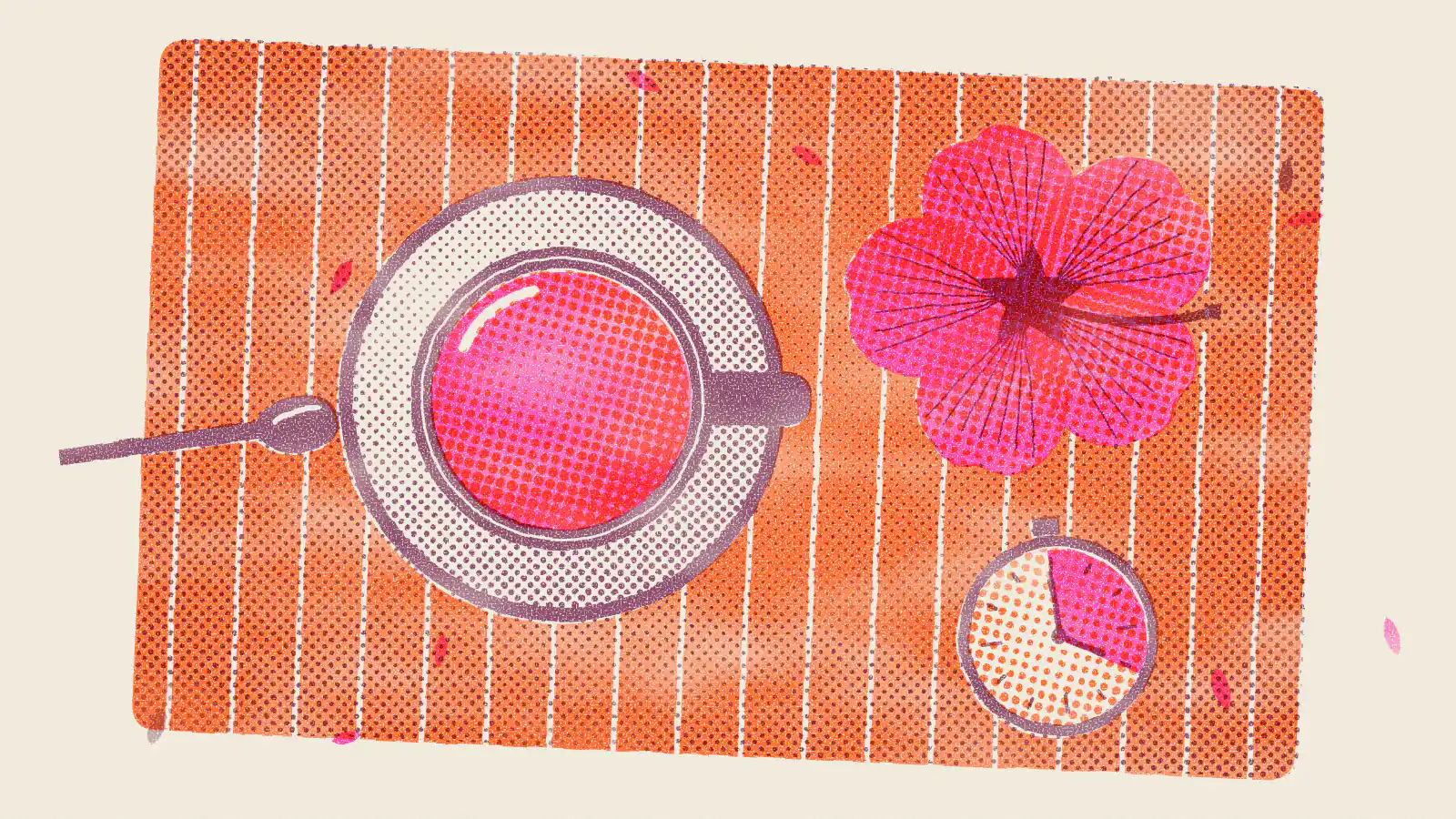
Herbal tea is one of the easiest drinks to add to a fast because it has virtually no calories and no sugar. In most cases, a plain herbal tea won't break a fast, but a few details about caffeine, additives, and how your body reacts to liquids are worth knowing before your next fasting window.
Does Herbal Tea Break a Fast?
Whether a drink "breaks" a fast usually comes down to calories. Plain herbal teas made from rooibos, chamomile, hibiscus, or peppermint have essentially zero calories and no macronutrients for your digestive system to process, so most intermittent fasting protocols treat them as fasting-friendly.
What can break a fast is anything added to the tea: sugar, honey, milk, or cream all introduce calories. Some yerba mate blends also contain a moderate amount of caffeine, which is fine for most fasting styles but worth noting if you're sensitive to stimulants.
Herbal infusions made from leaves, flowers or roots typically run 0–5 calories per cup. Many fasting guides use a 25–50 calorie cutoff as a rule of thumb for what counts as "breaking" a fast, though that specific number is a popular convention rather than an official medical threshold — plain tea's near-zero calorie count keeps it well under any commonly used cutoff.
What About Caffeinated True Tea (Green, Black, Pu-erh, White)?
Plain green, black, white and pu-erh tea are also close to zero calories and generally considered fasting-friendly, even though they aren't herbal. Black tea's L-theanine may help its caffeine release more gradually, which some people find keeps energy steadier during a fast, and lightly processed white tea is a gentler, lower-caffeine option later in the day. Caffeine itself has no calories, though it has a mild diuretic effect, so pair it with water. If you'd rather stay caffeine-free, rooibos and ginger tea are both naturally calorie-free and easy on an empty stomach.
Can You Drink Herbal Tea While Fasting?
Yes. Plain, unsweetened herbal tea is safe to drink during a fast, including a water fast, because it contains no calories and nothing for digestive enzymes to break down. It also provides antioxidants, and small amounts of minerals such as potassium, zinc, and iron.
The main trade-off is caffeine. Herbal teas are naturally low in or free of caffeine, so they won't give you the same energy lift as coffee or green tea. That's actually an advantage for some people, since it avoids the energy crash that comes with stronger stimulants.
Pros and Cons of Herbal Tea During a Fast
Pros:
- Virtually no calories, so it doesn't interrupt most fasting protocols.
- Naturally low in caffeine, avoiding energy crashes.
- Contains antioxidants and trace minerals like potassium and B vitamins.
- Can be soothing for the stomach and easier to tolerate than coffee on an empty stomach.
Cons:
- Low caffeine content means it won't replace coffee if you rely on it for an energy boost.
- Some strong herbal blends can cause bloating, gas, or stomach upset on an empty stomach.
- Certain herbs aren't recommended during a fast for people with specific health conditions, so check with a doctor if you're unsure.
- Tea alone won't rehydrate you the way plain water does, since some blends have a mild diuretic effect.
Which Herbal Teas Work Best for Fasting?
Stick to plain, unsweetened infusions such as rooibos, chamomile, hibiscus, or peppermint. Avoid pre-sweetened bottled teas, "detox" blends with added sugar, or anything labeled as a meal replacement, since these often contain hidden calories. If you want a longer list of naturally caffeine-free tea options, look for infusions rather than true teas (Camellia sinensis).
Side Effects and Precautions
Herbal tea is generally safe on an empty stomach, but strong or highly concentrated infusions can occasionally cause bloating, cramping, or nausea for some people. If you have a medical condition, are pregnant, or are taking medication, talk to your doctor before combining herbal tea with an extended fast.
On a low-carb plan too? See which teas are keto friendly.
FAQ
Do herbal teas break a fast?
No, plain herbal tea with nothing added has essentially no calories, so it doesn't interrupt most fasting protocols, including intermittent fasting and water fasting.
Can I add honey or milk to my tea while fasting?
Adding honey, sugar, or milk introduces calories, which can technically break a fast depending on the protocol you're following. If you want to stay strict, drink your tea plain.
Is herbal tea better than coffee during a fast?
It depends on your goals. Coffee provides more caffeine for an energy boost, while herbal tea is gentler on the stomach and won't cause an energy crash later. Many people rotate between the two, reaching for rooibos or ginger tea on lighter days.
The Bottom Line
A plain cup of herbal tea is one of the safest and most satisfying drinks you can have during a fast. It won't break most fasting protocols, and it can help curb hunger without adding calories. Just skip the sweeteners and creamers, and choose a naturally low-caffeine, low-irritant blend if you have a sensitive stomach.
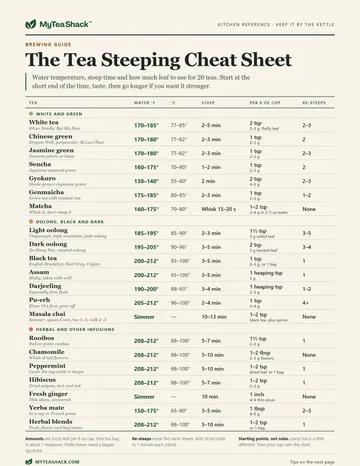
Free printable
The Tea Steeping Cheat Sheet
Water temperature, steep time and how much leaf to use for 20 teas, from sencha to rooibos, on one printable page. Plus five fixes for a bitter cup.