Teas for Pregnancy: Which Ones Are Safe to Drink
Not all teas are safe during pregnancy. Here's a clear guide to which herbal and caffeinated teas to enjoy, and which ones to avoid, and why.
In this guide · 7 sections
Many teas are perfectly fine during pregnancy, but a few should be limited or avoided because of their caffeine content or effects on hormones and the uterus. Here's a clear breakdown — and as always, check with your OB-GYN before adding any new tea to your routine.
General Guidelines
Pregnant women are generally advised to keep total caffeine intake under 200 mg a day, which works out to roughly 2 cups of black or green tea. Beyond caffeine, some herbs have effects — like stimulating uterine contractions — that make them unsuitable during pregnancy. Green tea specifically also contains compounds that can interfere with folate absorption, which matters during pregnancy, so it's best kept to a cup or two a day rather than several.
Teas Generally Considered Safe
Rooibos Tea
Naturally caffeine-free and considered one of the safer options during pregnancy in normal amounts.
Ginger Tea
Often recommended to help with nausea, one of the most common early-pregnancy symptoms. Stick to moderate amounts (1–2 cups a day) unless your doctor advises otherwise.
Peppermint Tea
Commonly used to ease heartburn and mild nausea during pregnancy. If you already deal with acid reflux, see our guide to teas for acid reflux for more options.
Chamomile Tea (in moderation)
Chamomile is often used for relaxation and sleep, but opinions vary on how much is appropriate during pregnancy — some sources suggest limiting it to occasional use. For a closer look, see is chamomile tea safe during pregnancy.
Green and Black Tea (in moderation)
Both contain caffeine, so stick to about 1–2 cups a day total across all caffeinated drinks.
Teas to Avoid or Limit During Pregnancy
- Licorice root tea: Heavy licorice intake has estrogen-like effects and is associated with a higher risk of preterm birth; best avoided.
- Ginkgo biloba tea: NCCIH advises against ginkgo during pregnancy — it may increase bleeding risk or trigger early labor.
- Eucalyptus tea: Safety data specific to pregnancy is limited; it's best to avoid regular use unless your doctor says otherwise.
- Fenugreek, anise, star anise, and echinacea: Safety data during pregnancy is limited, so it's best to avoid regular use.
- Red raspberry leaf tea: Some midwives recommend it in the third trimester to help tone the uterus for labor, and a few small studies suggest a possible link to shorter labor, but reliable evidence for this use is thin, and it isn't recommended earlier in pregnancy. See our detailed breakdown of red raspberry leaf tea and pregnancy before trying it.
- Herbs traditionally avoided in pregnancy: sage, pennyroyal and mugwort lack safety data and are traditionally associated with uterine stimulation. Evidence either way is thin for most of these, which is exactly why it's simplest to skip them.
- Avoid any herbal blend if you don't know every ingredient in it: check the label or ask your pharmacist.
Breastfeeding Considerations
Caffeine and certain herbal compounds can pass into breast milk, so the same general caution applies while breastfeeding. Rooibos, ginger and chamomile in moderation are generally fine while nursing. Some mothers use fenugreek or milk thistle to support milk supply, but these should only be used under medical guidance, since both can cause side effects in some people.
Side Effects and Precautions
- Always check with your OB-GYN before starting any new herbal tea during pregnancy or breastfeeding.
- Stop drinking a tea if you or your baby show any unusual reaction (rash, digestive upset, unusual fussiness in a breastfed baby).
- Don't exceed 200 mg of caffeine a day from all sources combined, including tea, coffee, and soda.
- Herbal teas are not regulated the same way medications are, so quality and concentration can vary between brands.
If you're still trying to conceive, see our separate guide to fertility teas for women.
FAQ
Can I drink green tea while pregnant?
Yes, in moderation — generally no more than 1–2 cups a day, staying within the overall 200 mg daily caffeine limit.
Is chamomile tea safe during pregnancy?
It's commonly used, but experts differ on how much is appropriate. See our dedicated guide on chamomile tea and pregnancy for more detail.
What tea helps with morning sickness?
Ginger tea is the most commonly recommended option for nausea during pregnancy, taken in moderate amounts.
Can herbal tea cause a miscarriage?
There's no solid evidence that typical culinary herbal teas cause miscarriage, but a few herbs, like pennyroyal, lack safety data and are best avoided. When in doubt, ask your doctor before trying a new one.
The Bottom Line
Most people don't need to give up tea during pregnancy — just be selective. Favor naturally caffeine-free options like rooibos and ginger, keep caffeinated teas to a cup or two a day, and skip herbs with limited safety data like licorice root, ginkgo, sage, pennyroyal or mugwort. When in doubt, ask your OB-GYN.
Looking for more pregnancy-specific guidance? See our deep dives on whether green tea is safe for pregnant women and chai tea caffeine content if you're watching your caffeine intake generally.
This post may contain affiliate links. If you buy through them, we may earn a small commission at no extra cost to you.
Free printable
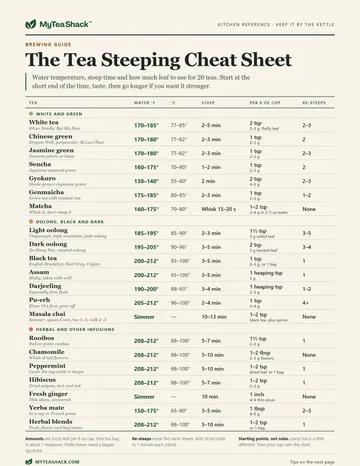
The Tea Steeping Cheat Sheet
Water temperature, steep time and how much leaf to use for 20 teas, from sencha to rooibos, on one printable page. Plus five fixes for a bitter cup.