Cranberry Tea Benefits, Side Effects and How to Make It
What cranberry tea is, what research supports its benefits for urinary and heart health, and a simple way to brew it.

We may earn a commission when you buy through links in this guide, at no extra cost to you. How we make money.
In this guide · 6 sections
Cranberry tea is a fruit infusion made from dried or crushed cranberries, prized for its tart flavor and antioxidant content. It's best known for its traditional link to urinary tract health, though most of the supporting research looks at cranberry juice or extract rather than tea specifically.
What's in Cranberry Tea
Cranberries are rich in antioxidants, including anthocyanins (the pigments behind their red color), along with vitamin C, B vitamins, and minerals like manganese. Fresh and frozen cranberries retain more of these nutrients than juices or jams, which often lose vitamin C in processing.
Potential Benefits
- Urinary tract health. Compounds in cranberries may help prevent bacteria from adhering to the bladder wall. A review of clinical trials found cranberry products can reduce the risk of repeat UTIs in women prone to them, and NIH's NCCIH notes this evidence mostly comes from concentrated juice, tablets or capsules rather than brewed tea.
- Heart health. The antioxidants and flavonoids in cranberries may support healthy blood vessels and circulation, which is associated with a lower risk of cardiovascular issues over time.
- Digestive support. Cranberry's antioxidants and mild acidity are traditionally used to support gut comfort, though evidence specific to the tea form is limited.
- Skin. Antioxidants may help protect skin cells from oxidative stress, similar to other antioxidant-rich foods and drinks.
- Cognitive support. Some research on berry anthocyanins, mostly in animal or small human studies, suggests a possible link to memory support, but this hasn't been established for cranberry tea specifically.
Cranberry tea is not a treatment for cancer, diabetes, or kidney disease, and it shouldn't be used in place of medical care for a urinary tract infection that's already causing symptoms like pain or fever.
Side Effects and Precautions
- Cranberry can interact with blood thinners like warfarin; talk to your doctor before drinking it regularly if you're on one.
- People prone to kidney stones (specifically oxalate stones) should check with a doctor, since cranberry contains oxalates.
- Cranberry tea won't cure an active UTI; see a doctor if you have UTI symptoms.
How to Make Cranberry Tea
- Use about 1–2 teaspoons of dried cranberry or cranberry tea blend per cup.
- Heat water to around 80°C (176°F) — just below boiling.
- Steep for 3–5 minutes; steep longer for a more intense, tart flavor.
- Strain and enjoy plain, or sweeten lightly with honey.
If you'd like to try a ready-made blend, Buddha Teas' organic cranberry tea is a straightforward option.
If you're comparing traditional teas for urinary support, see our guide to palo azul tea too.
FAQ
Does cranberry tea help with UTIs?
Cranberry products may help lower the risk of recurrent UTIs in people prone to them by making it harder for bacteria to stick to the bladder wall, though most supporting research uses juice or supplements rather than tea. It isn't a treatment for an active infection — see a doctor if you have UTI symptoms.
Is cranberry tea good for weight loss?
It's low in calories and can be a good swap for sugary drinks, but there's no strong evidence it burns fat on its own.
Can I drink cranberry tea every day?
Most people can, in moderate amounts (1–2 cups). Check with a doctor first if you take blood thinners or have a history of kidney stones.
The Bottom Line
Cranberry tea is a tart, antioxidant-rich infusion most associated with supporting urinary tract health, alongside modest potential benefits for heart health and digestion. It's a pleasant daily habit, not a substitute for medical treatment. For more on infusions with similar wellness angles, see teas for bladder infections and teas for kidney health.
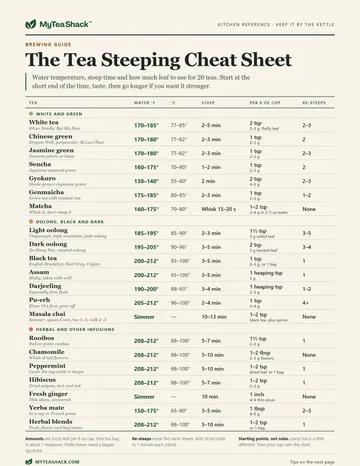
Free printable
The Tea Steeping Cheat Sheet
Water temperature, steep time and how much leaf to use for 20 teas, from sencha to rooibos, on one printable page. Plus five fixes for a bitter cup.