Is It Bad to Drink Green Tea at Night? What to Know
Whether green tea before bed helps or hurts your sleep, who should avoid it, and how to brew a cup that won't keep you up.

In this guide · 6 sections
Green tea at night is a bit of a mixed bag: it contains calming L-theanine, but it also has real caffeine, so how it affects your sleep depends a lot on your own caffeine sensitivity and how close to bedtime you drink it.
Why Some People Drink Green Tea Before Bed
Green tea contains L-theanine, an amino acid that promotes a calm, relaxed state without sedation. For people who tolerate caffeine well, a cup an hour or two before bed can feel relaxing rather than stimulating, and some drink it as part of a wind-down routine.
Beyond relaxation, green tea's antioxidant catechins are associated with general benefits like supporting healthy cholesterol levels and a lower risk of heart disease with regular consumption, according to Harvard research. These are population-level associations, not a guarantee for any individual, and green tea isn't a substitute for medical care for heart disease, cancer, or diabetes.
The Caffeine Problem
Green tea does contain caffeine — typically less than coffee, but still enough to disrupt sleep for caffeine-sensitive people. If you notice you feel wired, have trouble falling asleep, or wake up groggy after an evening cup, that's a sign to move your green tea earlier in the day or switch to a caffeine-free herbal tea at night instead.
A reasonable general guideline is to stop caffeinated tea at least 6–8 hours before bed if you're sensitive to it.
Who Should Be Careful With Green Tea
- People with insomnia or caffeine sensitivity. Even a small amount of caffeine late in the day can disrupt sleep for some people.
- People with high blood pressure. Caffeine's stimulant effect can be a concern for some people managing hypertension; check with your doctor about how much tea is appropriate for you.
- Pregnant or breastfeeding women. Tannins in green tea can reduce the absorption of iron from food, and evidence also points to reduced folic acid absorption, both important during pregnancy — so pregnant or breastfeeding women should limit intake, avoid drinking it with meals or prenatal vitamins, and check with their doctor.
- People with anemia. For the same iron-absorption reason, those with anemia should avoid drinking tea with meals or iron supplements, spacing it out by an hour or two instead.
- Liver or heart conditions. If you have a liver condition, arrhythmia, or another cardiac disorder, talk to your doctor before making tea a daily habit, since excess caffeine can strain the heart and liver over time.
How to Make a Calming Cup of Green Tea
- Boil water, then let it cool slightly to around 175°F — boiling water can make green tea bitter.
- Add one teaspoon of loose-leaf green tea (or a bag) per cup.
- Steep for 2–3 minutes for a milder, lower-caffeine cup.
- Strain and add honey if you like.
- If you want the calming ritual without the caffeine, swap in a decaffeinated green tea or a caffeine-free herbal tea instead.
If you want something similar without caffeine at night, try green rooibos tea.
FAQ
Is it bad to drink green tea before bed?
Not for everyone — the L-theanine in green tea can feel relaxing, but its caffeine content can disrupt sleep if you're sensitive to it or drink it too close to bedtime.
Does green tea at night help you sleep?
Some people find a light cup relaxing thanks to L-theanine, but green tea isn't a sleep aid, and its caffeine can work against you if you're caffeine-sensitive.
What's a better tea to drink at night?
If caffeine keeps you up, a caffeine-free herbal tea like chamomile or peppermint is a safer bet for the evening.
The Bottom Line
Whether green tea at night is a good idea comes down to your own caffeine tolerance, timing, and any health conditions you're managing. If it relaxes you without affecting your sleep, an evening cup is fine for most healthy adults; if it doesn't, move it earlier or try a caffeine-free option instead. For more options, see our guides to teas that help you sleep and peppermint tea before bed, or learn about green tea's other side effects.
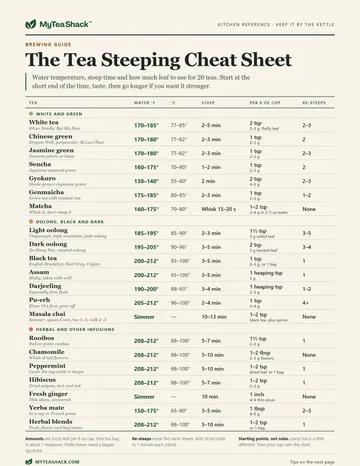
Free printable
The Tea Steeping Cheat Sheet
Water temperature, steep time and how much leaf to use for 20 teas, from sencha to rooibos, on one printable page. Plus five fixes for a bitter cup.