Is Green Tea a Diuretic? Effects and Side Effects
Yes, green tea's caffeine gives it a mild diuretic effect. Learn how it affects fluid balance, plus other side effects to watch for.

In this guide · 5 sections
Yes, green tea is a mild diuretic. The caffeine it contains increases urine output, which can help reduce fluid retention and bloating, though the effect is modest compared with dedicated diuretic medications.
Why Green Tea Has a Diuretic Effect
Green tea's diuretic effect comes from its caffeine content. Caffeine increases blood flow to the kidneys and encourages them to release more sodium and water into urine. This is a normal, mild effect, not a sign that green tea "flushes toxins" from your organs — that claim isn't supported by evidence.
For most people, drinking green tea in typical amounts (2–3 cups a day) won't cause dehydration, since the fluid from the tea itself generally offsets the diuretic effect.
Green Tea Side Effects
Headaches
Caffeine can help some headaches but trigger others, especially with regular daily use. If you get frequent headaches, watch whether cutting back on green tea and other caffeinated drinks helps.
Sleep Disruption
Green tea contains both caffeine and L-theanine. L-theanine may promote calm, but caffeine can still interfere with falling asleep, especially if you drink it in the afternoon or evening. If a cup of green tea seems to affect your sleep, try avoiding it after midday.
Digestive Upset
In large amounts, green tea's caffeine can act as a mild laxative and, in some people, trigger diarrhea. This is generally tied to excessive intake rather than a normal cup or two.
Reduced Iron Absorption
Tannins in green tea can bind to non-heme (plant-based) iron and reduce how much your body absorbs from a meal. If you have iron-deficiency anemia, talk to your doctor about spacing tea away from meals and iron supplements.
Dizziness
Rarely, drinking a lot of green tea has been linked to dizziness. If this happens, cut back and see how you feel.
Blood Pressure
Caffeine can cause a temporary rise in blood pressure, especially in people who don't consume it regularly. If you have heart disease or high blood pressure, talk to your doctor about how much caffeine, including from tea, is appropriate for you.
Green Tea for Weight Management
Green tea's catechins and modest caffeine content are associated with a small, temporary metabolic boost in some studies, and it's a popular low-calorie alternative to sugary drinks. It's a helpful addition to a healthy routine, not a stand-alone weight-loss solution.
Related: what a green tea detox can and can't do.
FAQ
Does green tea dehydrate you?
Not typically. In normal amounts, the water in the tea offsets its mild diuretic effect, so it doesn't cause net dehydration for most people.
Is green tea safe for people with high blood pressure?
Ask your doctor. Caffeine can cause a temporary rise in blood pressure, so people with hypertension or heart disease should get personalized guidance.
How much green tea is too much?
More than 4–5 cups a day starts to raise the risk of side effects like headache, insomnia and stomach upset for most people.
The Bottom Line
Green tea's caffeine gives it a genuine but mild diuretic effect, alongside other well-known benefits. Most healthy adults can enjoy 2–3 cups a day without issue — just watch your intake if you're sensitive to caffeine or managing a health condition.
Related reading: Can Green Tea Cause Heart Palpitations?, How to Make Green Tea, Black Tea vs Green Tea: Difference, Taste, Health, Caffeine
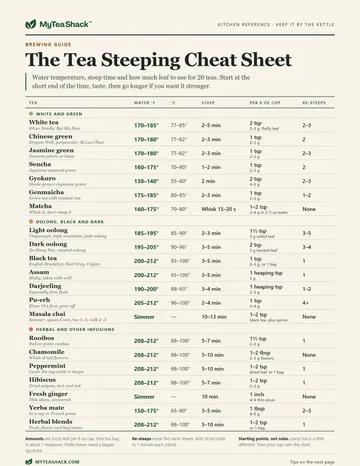
Free printable
The Tea Steeping Cheat Sheet
Water temperature, steep time and how much leaf to use for 20 teas, from sencha to rooibos, on one printable page. Plus five fixes for a bitter cup.