What Is Matcha? Grades, Caffeine, and How to Make It
What matcha is, how it differs from regular green tea, the grades to know, how to store and whisk it, and its caffeine content.
In this guide · 9 sections
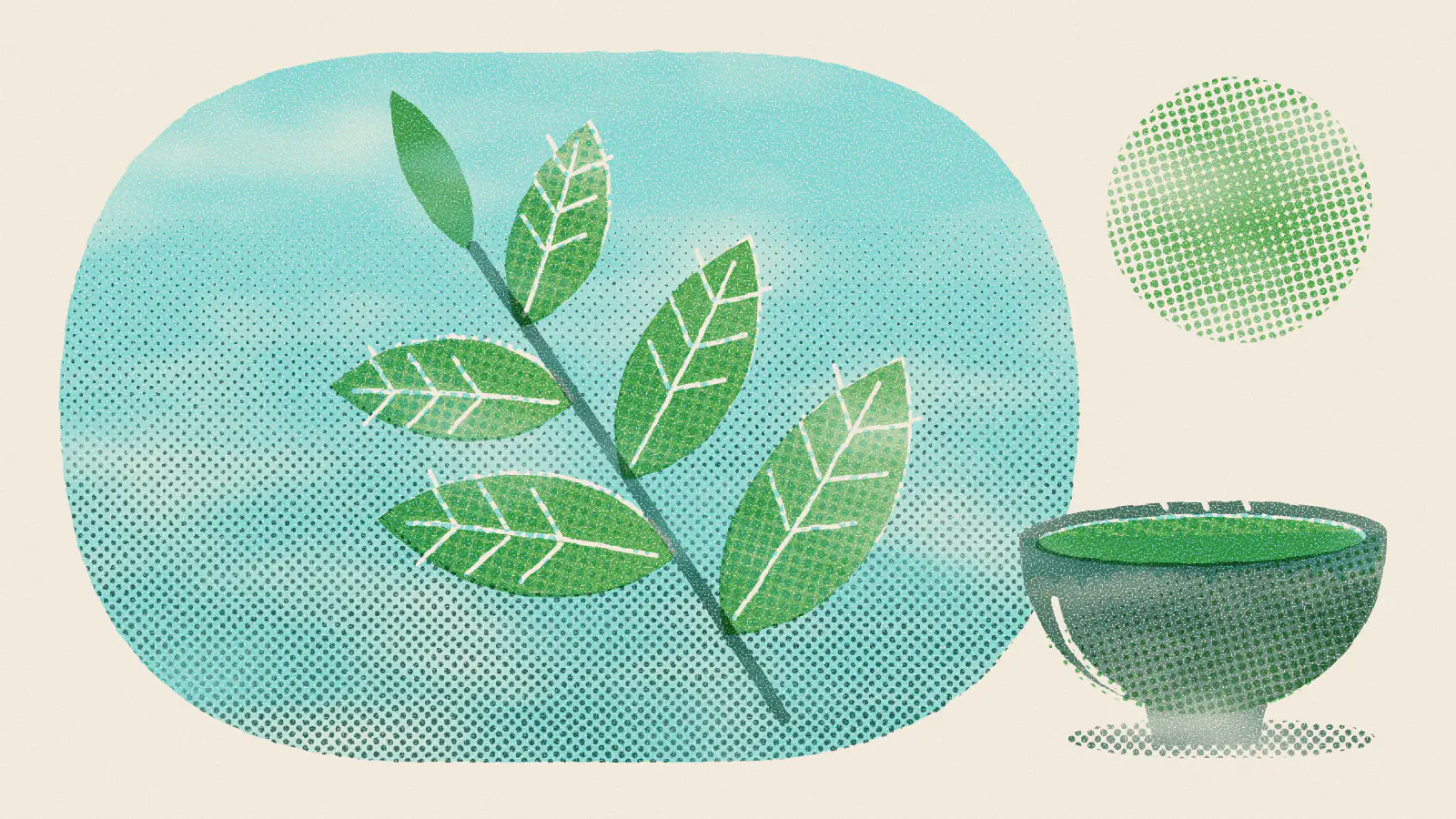
Matcha is a bright green powder made from finely ground, shade-grown green tea leaves. Unlike loose-leaf green tea, which is steeped and discarded, matcha is whisked directly into water, so you consume the whole leaf. That's what gives it a stronger flavor, more caffeine per cup, and a much brighter color than standard green tea.
Where Matcha Comes From
Matcha originated in China during the Song Dynasty, when powdered tea was part of early tea culture. Japanese Buddhist monks brought the practice back from China, where it became central to the Japanese tea ceremony, or chanoyu. Today matcha production is closely associated with Japan, particularly regions like Uji and Nishio.
Growing matcha is more labor-intensive than regular green tea: the tea bushes are shaded with cloth for several weeks before harvest, which boosts chlorophyll and amino acid content and gives matcha its vivid color and umami flavor. After harvest, the leaves are steamed, dried, de-stemmed and stone-ground into a fine powder.
Matcha Grades
Ceremonial Grade
Ceremonial-grade matcha uses the youngest, most carefully selected leaves. It has a vibrant green color, a smooth, slightly sweet flavor, and a fine texture. It's meant to be enjoyed on its own, whisked with hot water.
Culinary Grade
Culinary-grade matcha is more affordable and has a more bitter, robust flavor. It's better suited for baking, lattes, and smoothies, where it's mixed with other ingredients that balance its intensity.
How to Store Matcha
Matcha is sensitive to light, heat, air and moisture, all of which degrade its color and flavor over time. To keep it fresh:
- Store it in an airtight container.
- Keep it in the refrigerator or a cool, dark cabinet.
- Let refrigerated matcha come to room temperature before opening the container, to avoid condensation.
- Use it within a few weeks to a couple of months of opening for the best flavor.
How to Make Matcha Tea
- Sift 1–2 teaspoons of matcha into a bowl to remove clumps.
- Add a small amount of hot (not boiling) water, around 175°F.
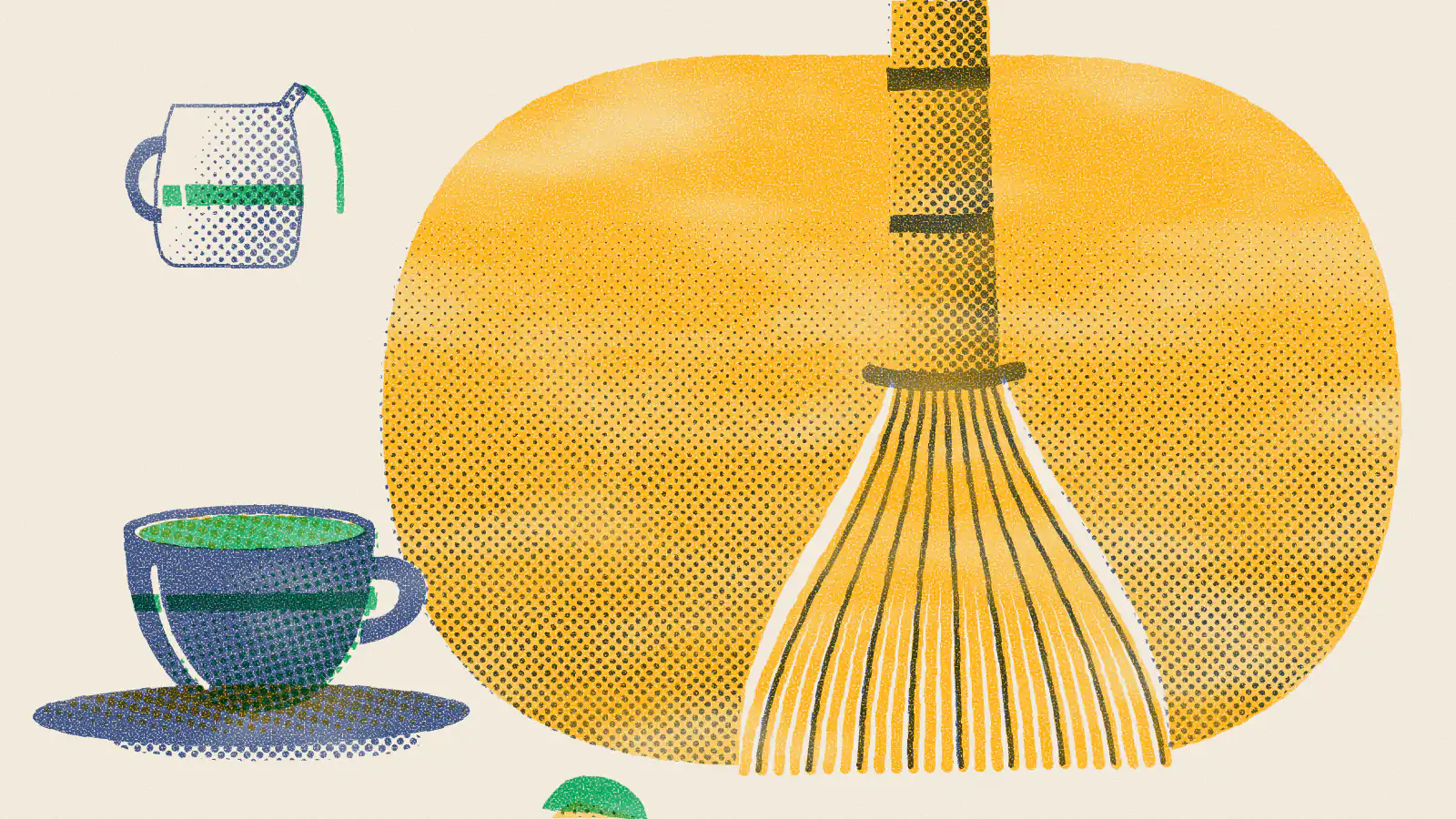
- Whisk briskly in a zig-zag motion with a bamboo whisk (chasen) until frothy and lump-free.
- Add more hot water to taste and enjoy.
Simple Matcha Latte
- 3/4 cup milk of choice (coconut, oat or dairy)
- 1 teaspoon matcha powder
- 1/4 cup hot water
- Sweetener to taste
Whisk the matcha with the hot water until smooth, heat the milk separately, then combine and froth. Sweeten with honey or your preferred sweetener.
Does Matcha Have Caffeine?
Yes. Because you consume the whole leaf, matcha generally contains more caffeine per serving than steeped green tea, roughly 35–70 mg per cup, though this varies by grade and preparation. Matcha also contains L-theanine and catechins, which are thought to slow the release of caffeine, giving many people a steadier energy lift than coffee, without the same jittery crash.
Matcha vs. Coffee
The two aren't really interchangeable. A cup of matcha has less caffeine than a cup of coffee (roughly 35–70 mg versus 95–200 mg), but matcha's L-theanine tends to spread that caffeine's effect out, so people who switch from coffee to matcha often report a steadier lift and less of an afternoon crash. Matcha also takes more prep (sifting and whisking) unless you buy a pre-portioned starter kit, while coffee just needs a kettle or machine. Our matcha vs. coffee breakdown runs the numbers on cost per cup too.
What to Buy
- A starter kit if you're new to matcha: a bowl (chawan), bamboo whisk (chasen) and a small scoop (chashaku) make the whisking step much easier than winging it with a regular whisk.
- Ceremonial grade for drinking plain, whisked with just hot water. Our best matcha powder guide compares specific picks at both grades.
- Culinary grade for lattes, baking and smoothies, where the stronger, more bitter flavor gets balanced by milk or sweetener.
- Buy from a seller that lists a harvest date or "best by" date — matcha loses color and flavor fast, so freshness matters more here than with most teas.
FAQ
Is matcha healthier than regular green tea?
Both come from the same plant and share many antioxidants, but matcha delivers more of the leaf's nutrients per cup since it isn't strained out. Regular green tea is a great option too, just with a milder effect.
Can I use a whisk instead of a bamboo chasen?
A small handheld milk frother or a regular whisk can work in a pinch, though a bamboo whisk is designed to eliminate clumps most effectively.
How much matcha should I drink per day?
Most people can enjoy 1–2 cups a day without issue. If you're sensitive to caffeine or pregnant, check with your doctor about safe limits.
The Bottom Line
Matcha is a concentrated, whole-leaf form of green tea with a rich flavor, vivid color and a steady caffeine boost. Choose ceremonial grade for sipping plain and culinary grade for lattes and recipes, and store it airtight and cool to protect its flavor.
Curious about other green tea options? Check out is matcha and green tea the same thing, is matcha healthier hot or cold, and matcha: a healthy boost for mind and body. Ready to drink it a different way? Try a matcha coconut milk latte, blend it into a smoothie, or make it iced. You can also shake it into matcha lemonade, stir it into overnight oats, or read up on what a matcha latte is good for.
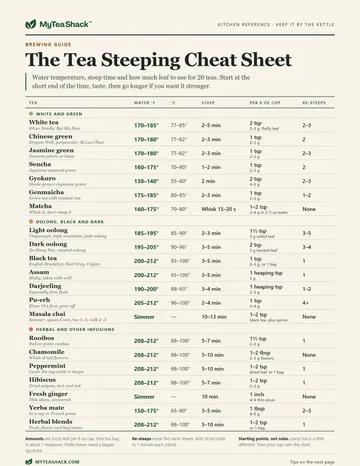
Free printable
The Tea Steeping Cheat Sheet
Water temperature, steep time and how much leaf to use for 20 teas, from sencha to rooibos, on one printable page. Plus five fixes for a bitter cup.