Is Matcha Healthier Hot or Cold? What to Know
Does matcha's temperature change its health benefits? Here's what the research says, plus how to make hot or iced matcha at home.
In this guide · 7 sections
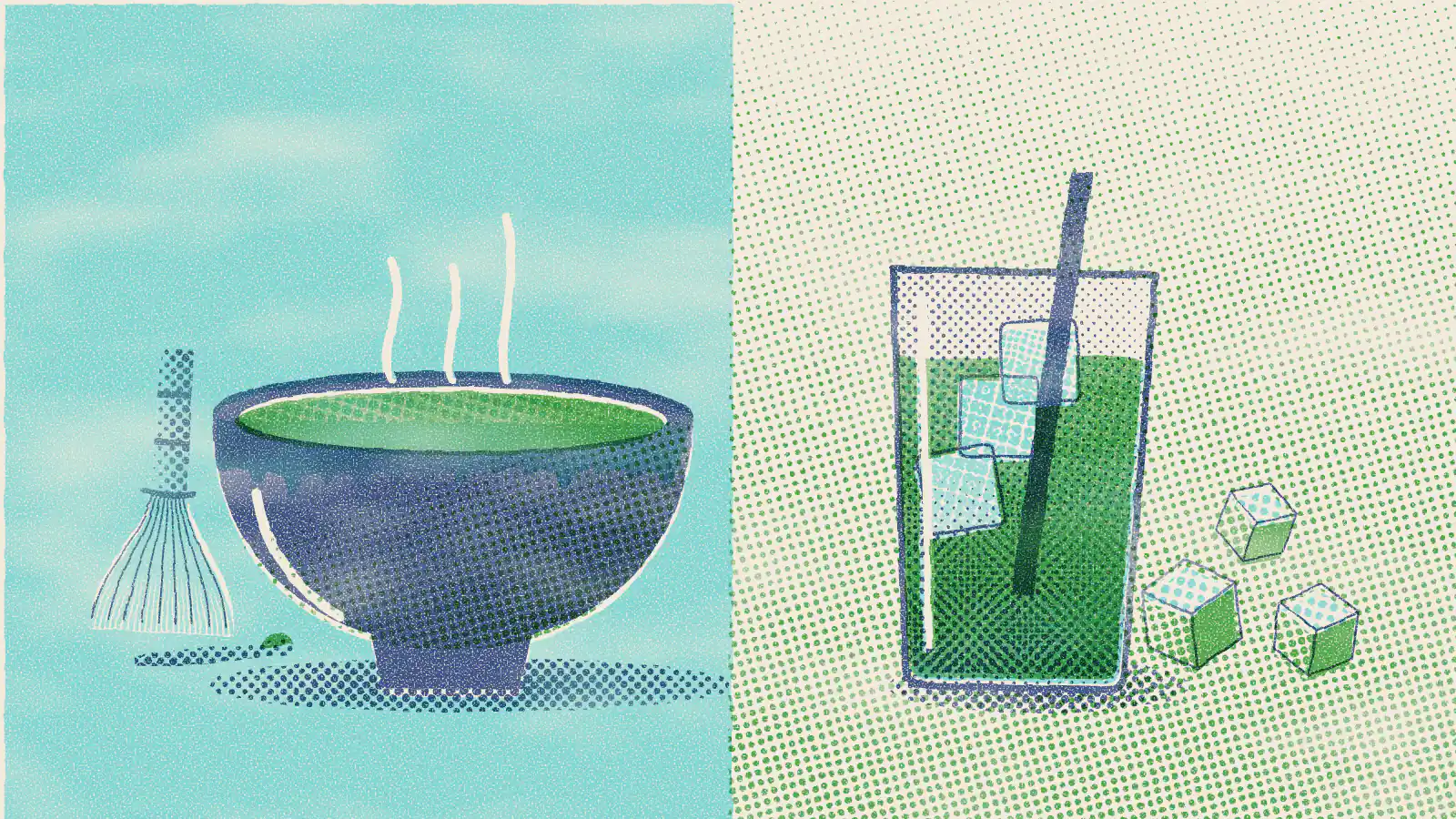
Matcha's benefits don't change based on temperature. Whether you drink it hot or pour it over ice, you're getting the same antioxidants and nutrients from the whisked green tea powder. If you're still getting to know it, here's our matcha primer.
Does Temperature Change Matcha's Benefits?
No. The compounds in matcha, including catechins and L-theanine, are stable whether the water is hot or the drink is served cold. Some people prefer matcha hot in cooler months and iced in summer purely for taste and comfort, not for any difference in nutrition.
Potential Benefits of Matcha
Matcha is a concentrated form of green tea, so it shares many of green tea's studied properties. As with any single food, it isn't a cure or treatment for disease.
- Antioxidants: Matcha is rich in catechins, plant compounds studied for their antioxidant activity.
- Calm focus: L-theanine, an amino acid in matcha, is associated with relaxation and may help take the edge off caffeine's stimulating effect.
- Metabolism support: Some research suggests green tea catechins may modestly support metabolism, though matcha alone isn't a weight-loss solution.
How to Make Hot or Iced Matcha
Matcha Latte
Ingredients
- 3/4 cup coconut milk (or milk of choice)
- 1 teaspoon matcha powder
- 1/4 cup water
- 1 tablespoon sweetener, to taste
Preparation
Heat the milk and water separately. Whisk the matcha into the hot water until fully dissolved, then combine with the warm milk. For an iced version, let the matcha mixture cool and pour it over ice.
Banana Matcha Smoothie
Ingredients
- 1 frozen banana
- 1/2 cup milk of choice
- 1 teaspoon matcha powder
- A splash of vanilla extract
- 1/2 cup ice
Preparation
Blend all ingredients until smooth, adjusting sweetness to taste.
How Much Matcha Is Too Much?
Two to three cups of matcha a day is a reasonable amount for most healthy adults. To stay within typical caffeine guidelines, avoid drinking more than about 5 grams of matcha powder (roughly 5 cups) in a day.
Side Effects and Precautions
- Matcha contains caffeine, so it can cause jitters, trouble sleeping or a fast heartbeat in sensitive people. The FDA notes about 400 mg of caffeine a day isn't linked to adverse effects for most healthy adults.
- If you're pregnant or breastfeeding, talk to your doctor about a safe caffeine limit before adding matcha to your routine.
- Compounds in tea can bind to dietary iron and reduce how much your body absorbs; avoid drinking matcha with iron-rich meals if you're anemic.
- People on blood pressure or blood-thinning medication should check with their doctor, since tea compounds can interact with some drugs.
Two more ways to use it: stirred into overnight oats, or as a morning swap covered in matcha vs. coffee.
FAQ
Is iced matcha as healthy as hot matcha?
Yes. The nutrients and antioxidants are the same regardless of temperature.
Does matcha have more caffeine than regular green tea?
Matcha typically has more caffeine than steeped green tea because you consume the whole leaf in powder form rather than just an infusion.
Can I drink matcha every day?
Most healthy adults can enjoy matcha daily in moderation. Watch your total caffeine intake if you also drink coffee or other caffeinated tea.
The Bottom Line
Matcha is just as beneficial hot or cold, so choose whichever way you enjoy it most. Keep your daily caffeine in mind, and check with your doctor if you're pregnant, breastfeeding or managing a health condition.
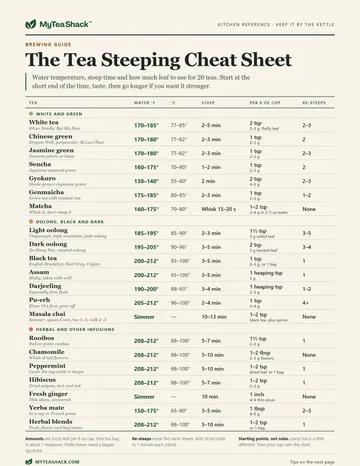
Free printable
The Tea Steeping Cheat Sheet
Water temperature, steep time and how much leaf to use for 20 teas, from sencha to rooibos, on one printable page. Plus five fixes for a bitter cup.