Benefits of Sencha Tea: What This Japanese Green Tea Offers
The potential benefits of sencha green tea, what makes it different from other green teas, and how to brew it.
In this guide · 6 sections
Sencha is Japan's most widely consumed green tea, made from young Camellia sinensis leaves that are steamed shortly after harvest to preserve their color and antioxidant content. It offers a lighter caffeine content than many other teas along with a range of antioxidants associated with general health benefits.
What Makes Sencha Different?
Sencha leaves are harvested before full maturity and steamed rather than pan-fired, which is more common with Chinese green teas. This process gives sencha its characteristic grassy, slightly sweet flavor and helps preserve catechins, the main antioxidant compounds in green tea.
Potential Benefits of Sencha Tea
Antioxidant Support
Sencha is rich in catechins and vitamin C, antioxidants that help the body manage everyday oxidative stress from free radicals. This is one of the main reasons green teas are associated with broad health benefits.
May Support Weight Management
Some research associates green tea catechins and caffeine with a modest increase in metabolic rate, which may support weight management as part of an overall healthy diet and exercise routine. Sencha is not a weight-loss treatment on its own.
May Support Mood and Relaxation
Green tea contains L-theanine, an amino acid associated with a sense of calm alongside alertness. Some people find a daily cup of sencha a soothing part of their routine, though it isn't a treatment for anxiety or depression.
Skin Health
The antioxidants in sencha may help protect skin cells from oxidative damage linked to aging, and some people include green tea as part of a broader skincare-supportive diet.
Immune Support
Green tea's antioxidant and anti-inflammatory properties are associated with general immune support, though sencha should not replace medical treatment for infections or chronic respiratory conditions like asthma.
Cardiovascular Health
NCCIH's review of green tea research found that it lowers LDL ("bad") cholesterol to a small extent, without much effect on HDL cholesterol, and that regular consumption is linked to lower coronary heart disease risk in some Asian population studies, though that association hasn't held up in Western populations. Any heart-health benefit from a cup of sencha is likely modest and works best alongside an overall healthy lifestyle.
How to Make Sencha Green Tea
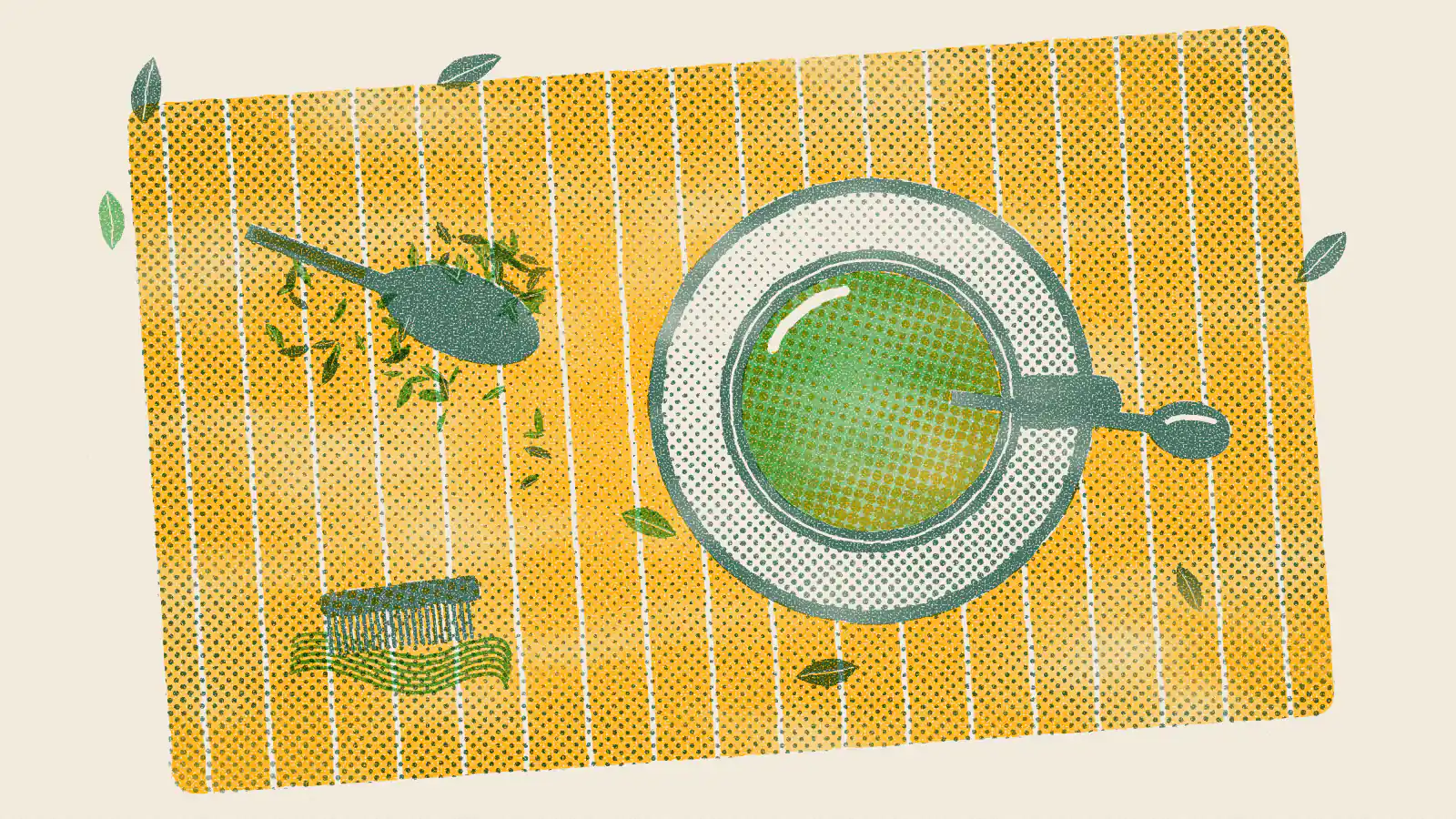
- Heat water to about 160–175°F (70–80°C) — sencha turns bitter in boiling water.
- Add 1–2 teaspoons of loose sencha leaves to a cup or teapot.
- Steep for 1–2 minutes.
- Strain and serve. The same leaves can often be re-steeped once or twice.
Side Effects and Precautions
- Caffeine: Sencha has less caffeine than black tea but still contains enough to affect sleep in sensitive people if consumed later in the day.
- Iron absorption: Green tea can reduce iron absorption from food; avoid drinking it with iron-rich meals if you're managing low iron.
- Pregnancy: Talk to your doctor about safe caffeine limits during pregnancy.
- Medication interactions: Green tea may interact with certain blood thinners and stimulant medications; check with your doctor if you take these.
Related guides: gunpowder green tea and Japanese teas for weight loss.
FAQ
Does sencha have less caffeine than other green teas?
Generally yes, since the leaves are harvested young, though caffeine content still varies by brand and brewing time.
How is sencha different from matcha?
Sencha is a loose-leaf infusion you steep and strain, while matcha is a powder you whisk into water and consume whole, giving matcha a higher concentration of antioxidants per cup.
Can I drink sencha tea every day?
Most healthy adults can drink 2–3 cups a day without issue. Check with your doctor if you're pregnant, sensitive to caffeine, or on medication that interacts with green tea.
The Bottom Line
Sencha is a flavorful, antioxidant-rich Japanese green tea with a milder caffeine content than many other teas, and it's a reasonable everyday addition to a healthy diet. It isn't a treatment for any medical condition, so enjoy it for its flavor and general wellness support. For more green tea options, see our guides to the best green tea of Japan and seven surprising green tea benefits.
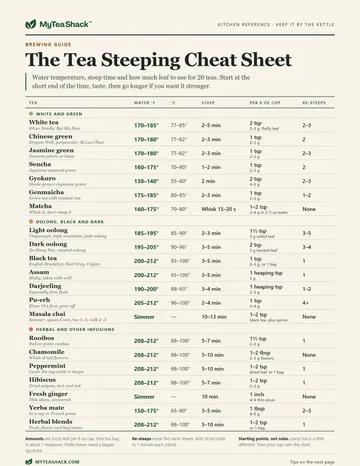
Free printable
The Tea Steeping Cheat Sheet
Water temperature, steep time and how much leaf to use for 20 teas, from sencha to rooibos, on one printable page. Plus five fixes for a bitter cup.