10 Peppermint Tea Benefits You Should Know
From easing digestion to freshening breath, here are peppermint tea's most useful benefits, backed by what the evidence actually shows.

In this guide · 15 sections
Peppermint tea is a caffeine-free herbal infusion made from dried peppermint leaves, valued for its refreshing taste and its long history as a digestive aid. Several of its traditional uses now have some scientific support, though it's not a cure for any condition.
1. May Ease Digestion
Peppermint oil relaxes the smooth muscle of the digestive tract, which is why peppermint tea is a popular after-meal drink. According to NCCIH, a small amount of research suggests that peppermint oil in enteric-coated capsules may improve IBS symptoms in adults, including cramping and bloating; tea is much less concentrated than these capsules, so think of it as offering a milder version of the same effect.
2. May Reduce Bloating and Gas
By relaxing the gut muscles, peppermint tea may help move trapped gas along and ease the discomfort of bloating after a heavy meal.
3. Naturally Caffeine-Free
Unlike black or green tea, peppermint tea contains no caffeine, making it a good evening option for people who are sensitive to it or want to avoid disrupting sleep.
4. May Help with Tension Headaches
Menthol, peppermint's main active compound, has a cooling, muscle-relaxing effect. Some people find that a cup of peppermint tea — or menthol applied to the temples — helps ease tension-type headaches.
5. May Freshen Breath
Peppermint's antimicrobial properties and strong, clean scent make it a traditional remedy for bad breath.
6. May Ease Nausea
Peppermint has long been used to settle an upset stomach, and some small studies support its use for nausea, including nausea related to motion sickness.
7. May Help Clear Congestion
The menthol in peppermint tea can create a cooling sensation that makes breathing feel easier during a cold, even though it doesn't reduce mucus itself.
8. Contains Antioxidants
Peppermint leaves contain plant compounds like rosmarinic acid, which act as antioxidants and may help the body manage oxidative stress.
9. May Have Mild Antimicrobial Effects
Lab studies show peppermint extracts can inhibit the growth of certain bacteria and fungi. This doesn't mean the tea itself works as a treatment for infections, but it may support the tea's traditional use for oral and digestive health.
10. A Calming Ritual
Beyond any specific compound, the ritual of a warm, fragrant cup of peppermint tea can itself be relaxing, which may help take the edge off stress.
Peppermint Tea vs. Peppermint Oil
Most of the stronger research on peppermint — especially for IBS symptoms — actually looks at peppermint oil in enteric-coated capsules, which deliver a much more concentrated dose than a cup of tea. Peppermint tea is a gentler, food-based way to get some of the same soothing effect, but if you're managing a diagnosed digestive condition, talk to your doctor about whether a more concentrated form is appropriate for you.
Side Effects and Who Should Be Careful
- Acid reflux (GERD): peppermint can relax the muscle that keeps stomach acid down, which may worsen heartburn; Memorial Sloan Kettering advises that people with GERD, hiatal hernia, or gallbladder disease check with a doctor before regular use.
- Allergies: mint allergy is uncommon but possible.
- Medication interactions: peppermint may interact with certain medications; check with a doctor or pharmacist if you take prescription drugs regularly.
- Generally considered safe in normal tea amounts for most healthy adults.
How to Make Peppermint Tea
- Steep 1–2 teaspoons of dried peppermint leaves (or one tea bag) in freshly boiled water.
- Cover and let it sit for 5–10 minutes — longer steeping brings out a stronger flavor.
- Strain and enjoy hot, or chill it over ice with a splash of lemon.
Related guides: teas for migraines and teas for menstrual cramps.
FAQ
What are the benefits of drinking peppermint tea?
Peppermint tea may support digestion, ease bloating and nausea, help with tension headaches, and freshen breath, along with contributing some antioxidants.
How does peppermint tea improve digestion?
It relaxes the muscles of the digestive tract, which can reduce cramping, bloating, and gas, and may ease symptoms of IBS for some people.
Is peppermint tea safe to drink every day?
Yes, for most people. It may worsen acid reflux in those prone to it, so people with GERD should pay attention to how they respond.
Can peppermint tea help with stress?
Its calming ritual and menthol content may help you unwind, though it isn't a treatment for anxiety.
The Bottom Line
Peppermint tea is a low-risk, caffeine-free drink with real, if modest, support for digestion and headache relief. If reflux is a concern for you, try it in moderation and see how your body responds. For more digestive-friendly options, see our guides to teas for bloating and indigestion and which tea helps digestion, or explore peppermint tea before bed for an evening routine.
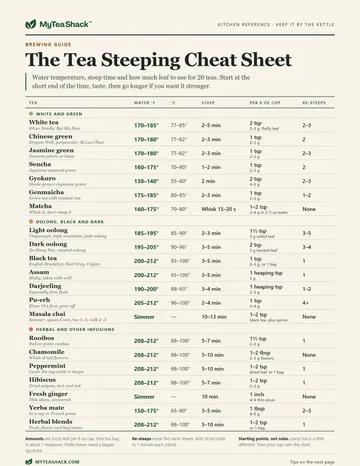
Free printable
The Tea Steeping Cheat Sheet
Water temperature, steep time and how much leaf to use for 20 teas, from sencha to rooibos, on one printable page. Plus five fixes for a bitter cup.