Papaya Leaf Tea Benefits, Side Effects and How to Make It
What papaya leaf tea is, the nutrients and potential benefits it offers, who should avoid it, and a simple recipe to make it at home.
We may earn a commission when you buy through links in this guide, at no extra cost to you. How we make money.
In this guide · 6 sections
Papaya leaf tea is an herbal infusion made by steeping papaya leaves in hot water. It has a bitter, slightly earthy taste and is naturally caffeine-free, which is why it shows up in a lot of herbal-tea routines. Here's what's actually in it, the benefits worth knowing, and how to make it.
What Is Papaya Leaf Tea?
Papaya leaf tea is made by steeping chopped or dried papaya leaves in hot water, then straining out the solids. It's distinct from papaya fruit tea and has a stronger, more bitter flavor profile.
Because it's made entirely from the leaf rather than the fruit, it's naturally low in sugar and free of animal products.
Potential Benefits of Papaya Leaf Tea
- A source of vitamins and minerals. Papaya leaves contain vitamin C, manganese, and B vitamins, along with smaller amounts of potassium and other minerals.
- Low in caffeine and tannins. That makes it a gentler option if you're cutting back on caffeine or sensitive to tannin-heavy teas.
- May support digestion. Papaya leaf contains enzymes similar to those in the fruit, which traditional use associates with easier digestion; more human research is needed to confirm this.
- Rich in antioxidant compounds. Papaya leaves contain flavonols, plant compounds with antioxidant activity, which is associated with lower oxidative stress in the body.
Claims that papaya leaf tea treats specific diseases such as dengue fever aren't well supported by human research, so don't rely on it as a substitute for medical care.
How to Make Papaya Leaf Tea
- Wash fresh papaya leaves thoroughly and chop them into small pieces (or use dried, store-bought papaya leaf tea).
- Add the leaves to about 3 cups of water.
- Bring to a boil, then reduce heat and simmer for 10–15 minutes.
- Strain out the leaves.
- Sweeten to taste if you like, and drink warm or chilled.
If you'd rather skip the prep, organic papaya leaf tea is available pre-dried in tea bags.
Side Effects and Precautions
- Allergic reactions. If you're allergic to papaya fruit, you may also react to the leaf — start with a small amount.
- Pregnancy. A systematic review of papaya leaf's safety found it's generally fine for short-term use in adults, but specifically flags caution in pregnancy: animal studies link higher, sustained doses to shorter gestation length and lower birth weight. It's best avoided during pregnancy or discussed with your doctor first, and Memorial Sloan Kettering notes the same caution for people with liver impairment.
- Medication timing. The same review found papaya leaf extract can reduce absorption of the antibiotic ciprofloxacin and may add to the blood-sugar-lowering effect of diabetes medications, so separate timing or check with a doctor if you take either.
- Stomach upset. In sensitive people, papaya leaf's bitterness and enzyme content can cause an upset stomach; stop drinking it if this happens.
Another tropical leaf tea with a similar folk history is guava leaf tea.
FAQ
What does papaya leaf tea taste like?
Bitter and slightly earthy. Many people add honey or lemon to soften the flavor.
Does papaya leaf tea have caffeine?
No, it's naturally caffeine-free, which makes it suitable any time of day.
Can I make papaya leaf tea from a papaya tree at home?
Yes, if you have access to a papaya tree and are confident in identifying its leaves. Wash them thoroughly before brewing.
Is papaya leaf tea safe every day?
Most healthy adults can drink it in moderation, but there's limited research on long-term daily use, so it's worth taking occasional breaks.
The Bottom Line
Papaya leaf tea is a caffeine-free herbal option with a decent nutrient profile and some promising, though still limited, research behind its digestive and antioxidant benefits. It's a reasonable addition to a varied tea routine, just don't expect it to treat a specific illness, and skip it during pregnancy unless your doctor says otherwise.
Looking for more herbal options? Check out our guides to moringa tea benefits, fruit teas, and teas for gut health.
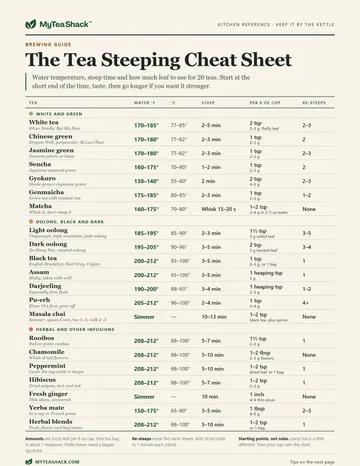
Free printable
The Tea Steeping Cheat Sheet
Water temperature, steep time and how much leaf to use for 20 teas, from sencha to rooibos, on one printable page. Plus five fixes for a bitter cup.