The Best Tea for Nausea Relief: 5 Options That Help
The best teas for nausea, including ginger, peppermint and chamomile, with simple recipes and guidance on which to avoid during pregnancy.

In this guide · 5 sections
Ginger, peppermint and chamomile tea are among the most studied options for easing nausea. Each works a little differently, so the best choice depends on what's causing your upset stomach.
Best Teas for Nausea
Ginger Tea
Ginger is one of the more researched natural remedies for nausea. NCCIH notes that ginger may help with nausea and vomiting related to pregnancy, and it has also been studied for motion sickness and chemotherapy-related nausea, though results are mixed depending on the cause. It's gentle on the stomach and pairs well with a little honey.
Peppermint Tea
Peppermint's menthol content has a calming effect on the digestive tract and is used for nausea and digestive discomfort, though it isn't the right choice for everyone (see precautions below). It's also naturally caffeine-free.
Chamomile Tea
Chamomile is traditionally used to soothe the stomach and support relaxation, which can help with nausea that's tied to stress or anxiety.
Lemon Balm Tea
Lemon balm is a calming herb in the mint family, sometimes used alongside ginger or chamomile for stomach upset.
Rosemary Tea
Rosemary tea is used in some traditions for digestive discomfort, though it has less research behind it for nausea specifically than ginger or peppermint.
Spearmint Tea
Milder than peppermint, spearmint is another mint variety traditionally used to calm an upset stomach. It works well hot or iced.
Lemongrass Tea
Lemongrass has a light, citrusy flavor and is traditionally used in several cultures to soothe digestive discomfort, though large clinical studies in people are limited.
Fennel Tea
Fennel seed tea is a traditional remedy for bloating and stomach discomfort. It has a mild licorice-like flavor and can be combined with a splash of apple cider for extra flavor.
How to Make Ginger Tea for Nausea
- Add 1 teaspoon of grated fresh ginger (or 1 ginger teabag) to a cup of hot water.
- Steep for 5-10 minutes.
- Strain and add honey to taste.
The same method works for peppermint, spearmint or fennel seed: steep 1 teaspoon in a cup of hot water for 5–10 minutes, strain, and add honey or lemon to taste. Sip slowly rather than drinking quickly, which can be easier on a sensitive stomach.
Side Effects and Precautions
Ginger tea is generally safe in food and tea amounts, but very high doses may interact with blood-thinning medication. Peppermint should be used with caution if you have acid reflux, gallstones, or a hiatal hernia, since it can relax the muscle that keeps stomach acid down; talk to your doctor first if any of these apply to you. If nausea is related to pregnancy, morning sickness or an ongoing condition, or if it's severe, persistent or paired with other symptoms, talk to your doctor rather than relying on tea alone.
If your nausea is from a night of drinking, see our guide to the best tea for a hangover.
FAQ
What tea is best for nausea during pregnancy?
Ginger tea is among the more studied options for pregnancy-related nausea, but check with your OB-GYN about the amount that's safe for you, since some herbal teas aren't recommended during pregnancy.
Does peppermint tea help with nausea?
Yes, for many people, though it isn't a good choice if you also have acid reflux or heartburn.
How much ginger tea can I drink for nausea?
A cup or two a day is a common, well-tolerated amount for most adults. Talk to your doctor before using larger amounts, especially if you're on medication.
What tea is best for nausea from overeating?
Peppermint or ginger tea are both good choices after a heavy meal, since they're traditionally used to support digestion.
The Bottom Line
Ginger and peppermint tea have the strongest evidence behind them for easing nausea, with chamomile, spearmint, fennel and lemon balm as gentler backups. If your stomach trouble is ongoing, pair this with our guide to teas for bloating and indigestion, and check with a doctor if symptoms persist or during pregnancy.
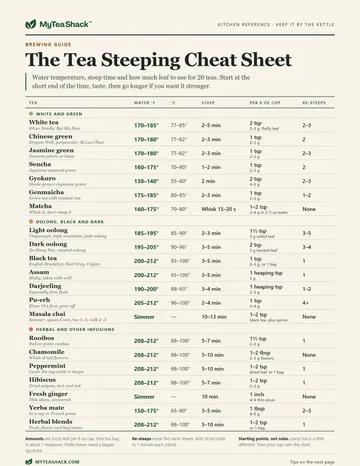
Free printable
The Tea Steeping Cheat Sheet
Water temperature, steep time and how much leaf to use for 20 teas, from sencha to rooibos, on one printable page. Plus five fixes for a bitter cup.