Japanese Green Tea: Types, Benefits and How to Brew It
From sencha to matcha, learn what makes Japanese green tea unique, its potential health benefits, and how to brew each variety at home.
In this guide · 7 sections
Japanese green tea comes from the same plant as all true teas, Camellia sinensis, but a distinct growing and processing method gives it a brighter color and grassier flavor than Chinese green tea. Here's what sets it apart, the main varieties, and how to brew each one.
What Makes Japanese Green Tea Different
Japanese growers often shade the tea bushes before harvest to slow growth and deepen the leaves' green color and flavor. After picking, the leaves are steamed rather than pan-fired, which locks in a more vegetal, intense flavor and color than the roasted or oxidized styles common elsewhere.
Types of Japanese Green Tea
Sencha
The most common Japanese green tea, made from tender shoots harvested in late spring. Like other caffeinated teas it has a mild diuretic effect, and NCCIH notes its catechins and caffeine may have a modest effect on body weight, plus antioxidants that may help protect cells from free radical damage.
Bancha
A more affordable, mature-leaf tea harvested later in the season than sencha. It has a lower caffeine content and a milder flavor.
Gyokuro
A high-quality, shade-grown tea from the earliest, most tender shoots. It's naturally rich in chlorophyll and has a smoother, less bitter taste than sencha.
Matcha
Made by grinding shade-grown leaves into a fine powder, matcha is unique because you consume the whole leaf rather than an infusion, which means you get more of its antioxidants, vitamins and amino acids per cup. It's the tea used in the traditional Japanese tea ceremony. See what is matcha for more on how it's made.
How to Make Japanese Green Tea
For loose-leaf sencha or bancha, use water around 170°F (not boiling) and steep for 2–3 minutes. Boiling water or over-steeping brings out excess bitterness. For gyokuro, matcha and other styles, check the tea steeping chart.
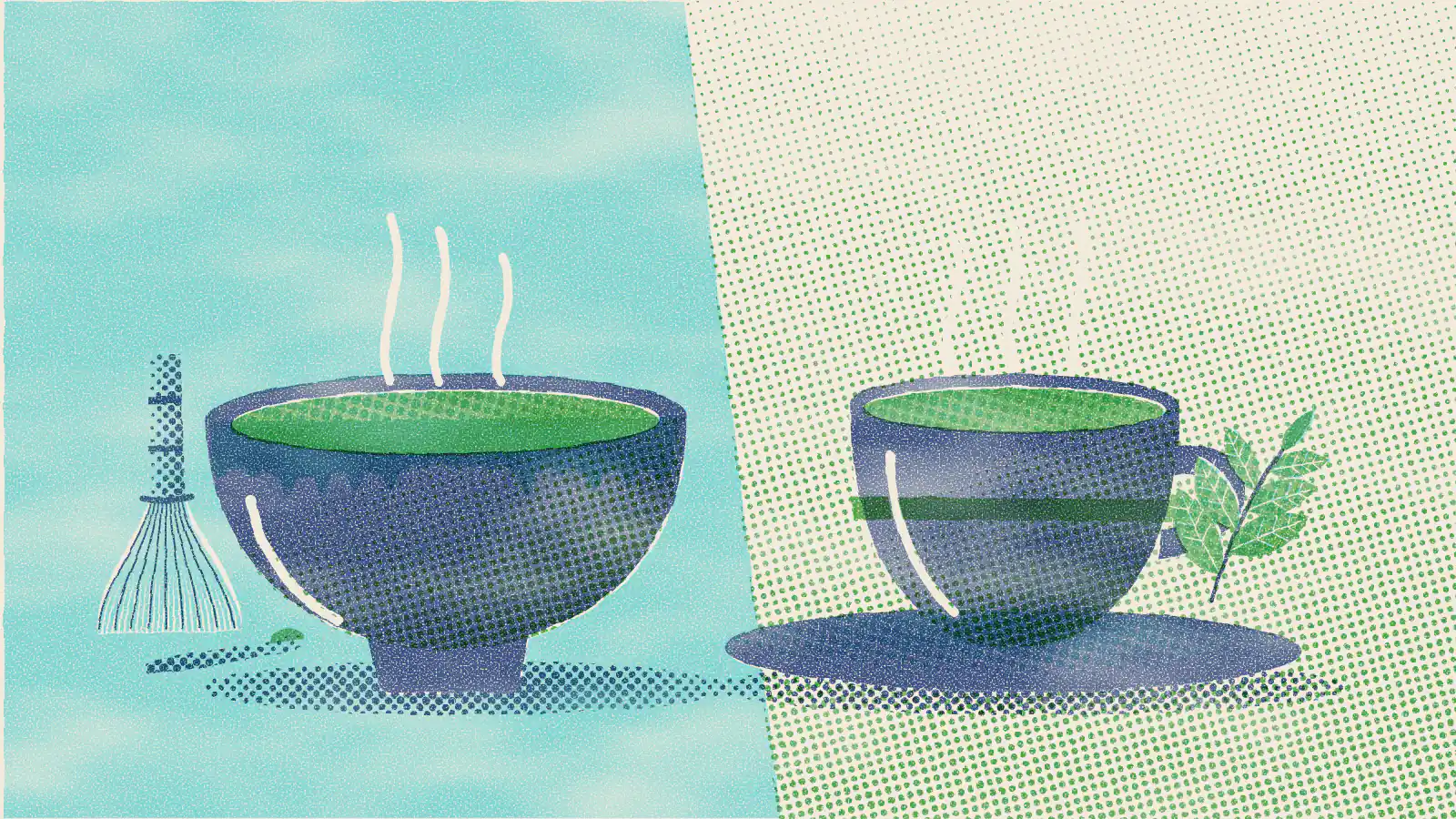
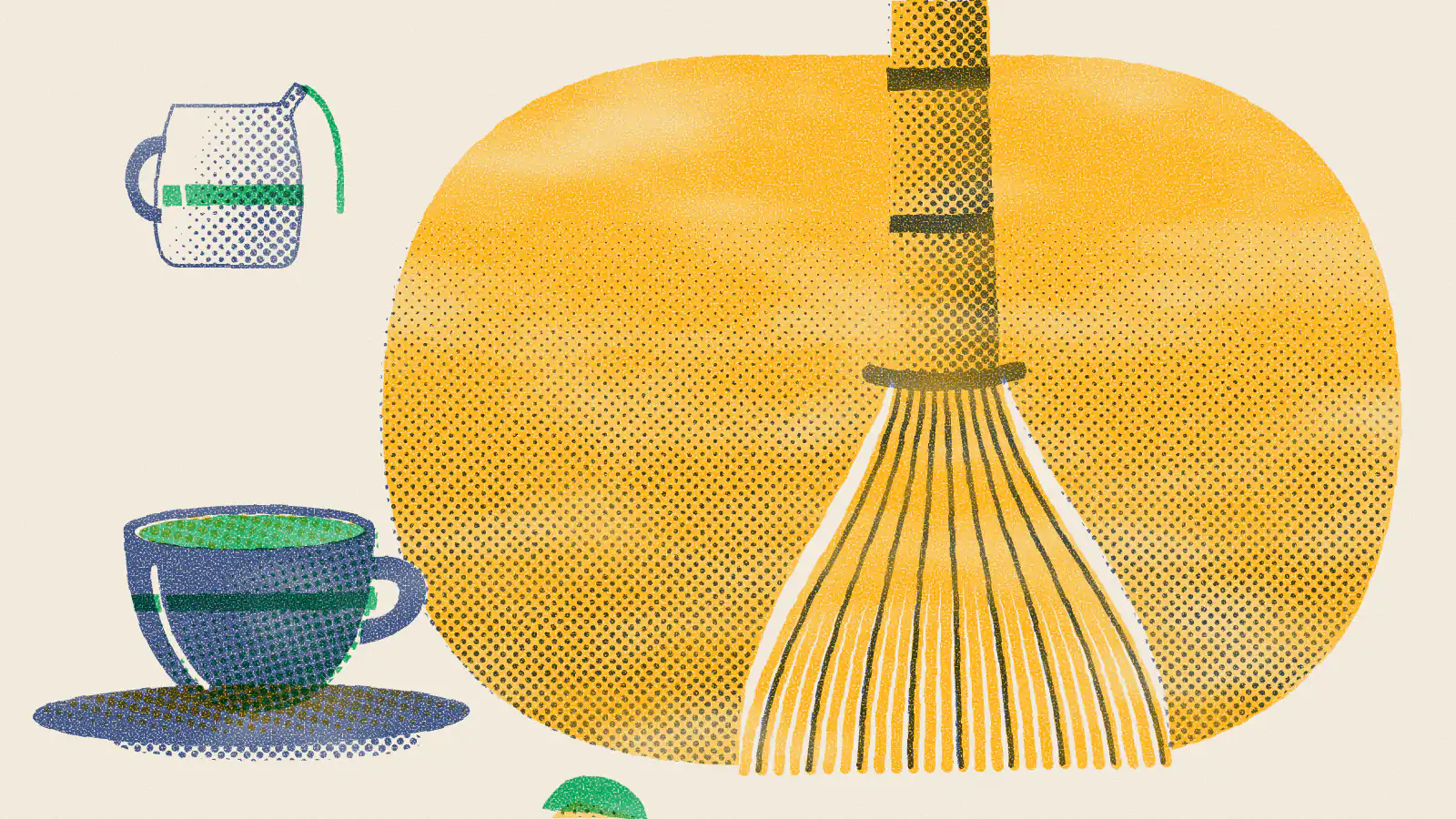
For matcha, sift a teaspoon of powder into a bowl, add hot water around 160°F, and whisk briskly with a bamboo whisk until frothy.
Most people find 2–3 cups a day a reasonable amount to enjoy the benefits without overdoing caffeine.
The Japanese Tea Ceremony
Known as chanoyu or sado, the Japanese tea ceremony is a ritual built around mindfulness and hospitality, traditionally performed with matcha. A full ceremony can last around four hours across several phases, though most modern versions are shortened to about an hour, focused on preparing and sharing the tea with intention and respect for the ritual's history.
Side Effects and Precautions
- Japanese green teas contain caffeine (sencha and gyokuro more than bancha), so limit intake if you're sensitive to caffeine, pregnant, or advised to cut back by your doctor.
- Matcha delivers more caffeine and compounds per cup than steeped tea since you consume the whole leaf; start with a smaller amount if you're new to it.
- If you take medication or have a liver condition, ask your doctor before making green tea a daily habit. Brewed tea in normal amounts is rarely implicated, but concentrated green tea extract supplements have occasionally been linked to liver injury in case reports (NIH LiverTox).
Japan also has a seasonal floral tea worth trying in spring: sakura (cherry blossom) tea.
FAQ
What's the best Japanese green tea?
Gyokuro and high-grade sencha from regions like Uji (Kyoto) and Yame (Fukuoka) are considered top quality, largely due to shade-growing and careful harvest timing.
Is matcha the same as green tea?
Matcha is a type of green tea, but since it's a powder made from the whole leaf, it delivers more concentrated antioxidants and caffeine than a typical steeped cup.
What is the most common tea in Japan?
Sencha is the most widely consumed, followed by bancha, genmaicha, hojicha and matcha.
The Bottom Line
Japanese green tea's shade-growing and steaming process give it a distinct flavor and a concentrated dose of antioxidants, especially in matcha. Brew it gently — cooler water than you'd use for black tea — and enjoy 2–3 cups a day. For more on the category, see types of green tea and is matcha the same as green tea.
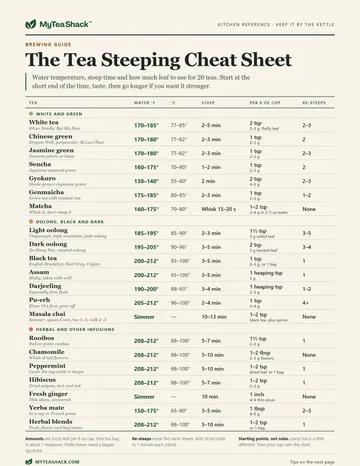
Free printable
The Tea Steeping Cheat Sheet
Water temperature, steep time and how much leaf to use for 20 teas, from sencha to rooibos, on one printable page. Plus five fixes for a bitter cup.