Nettle Tea Benefits: Nutrients, Uses and Side Effects
What nettle tea is, the nutrients it provides, what research says about its benefits, and how to brew it safely at home.
In this guide · 6 sections
Nettle tea is a caffeine-free herbal infusion made from the dried leaves of the stinging nettle plant (Urtica dioica). It has a long history of traditional use in Europe and Asia, and today it's valued mainly for its nutrient content and mild diuretic effect.
What's in Nettle Tea
Nettle leaves contain vitamins A, C and K, along with minerals like iron, calcium and magnesium. That combination makes the tea more nutrient-dense than many other herbal infusions, though brewing releases only part of what's in the raw leaf.
Most people can drink 2–3 cups a day without issue, but check with a doctor first if you're pregnant, breastfeeding, or on regular medication (see precautions below).
Potential Benefits
- Anti-inflammatory compounds. Nettle contains flavonoids and phenolic acids with anti-inflammatory activity in lab and animal research, though tea itself hasn't been studied as directly as concentrated leaf or root extracts.
- Antioxidants. Vitamin C and flavonoids in nettle tea may help the body counter oxidative stress, similar to other herbal and true teas.
- Digestive support. Nettle's mild diuretic effect and fiber content are traditionally used to support regularity, though there's limited clinical research specific to the tea.
- Allergy relief. A small randomized, placebo-controlled trial of concentrated nettle root extract found reduced nasal allergy symptoms and lower nasal eosinophil counts, but tea concentrations are much weaker than the extract used in that study, and Memorial Sloan Kettering's herb database notes that evidence to support nettle as an allergy treatment is still lacking overall.
- Skin and hair. Nettle tea's antioxidants may help protect skin from oxidative stress, and it's sometimes used as a rinse for scalp health, though evidence here is mostly anecdotal.
Nettle tea does not cure or prevent any of these conditions. Think of it as a supporting habit alongside a balanced diet, not a treatment.
Side Effects and Precautions
- Pregnancy: Nettle tea can stimulate the uterus in some forms; pregnant or breastfeeding women should talk to a doctor before drinking it regularly.
- Medication interactions: Animal research suggests nettle may have additive effects with blood pressure medication and could affect blood sugar; clinical relevance in people is still unclear, so check with a doctor if you take blood thinners, diabetes medication, diuretics or blood pressure medication.
- Diuretic effect: Regular use can increase urination; stay hydrated.
- Allergies: People allergic to plants in the nettle family should avoid it.
How to Make Nettle Tea
- Use 1–2 teaspoons of dried nettle leaf per cup of hot water.
- Steep for 5–10 minutes, covered, to retain the volatile compounds.
- Strain and drink plain, or add lemon or honey to taste.
Nettle is also one of the herbs people try for seasonal symptoms; our guide to tea for allergies looks at nettle alongside other options. If you like foraged teas, try pine needle tea too.
FAQ
Does nettle tea help with allergies?
A small human trial found concentrated nettle root extract eased hay fever symptoms, but the tea form is far less concentrated, so results will vary and overall evidence for allergy relief is still limited. It shouldn't replace prescribed allergy medication.
Can I drink nettle tea every day?
Most healthy adults can drink 2–3 cups daily. If you're pregnant, on medication, or have a kidney condition, check with your doctor first.
Does nettle tea have caffeine?
No, nettle tea is naturally caffeine-free, making it a good evening option.
The Bottom Line
Nettle tea is a nutrient-rich, caffeine-free herbal infusion with early research behind several of its traditional uses. It's a reasonable addition to a balanced diet, but it isn't a treatment for allergies, arthritis or any other condition. If you're curious about other caffeine-free options, see our guides to caffeine-free tea and chamomile tea safe during pregnancy, or browse more herbal tea benefits.
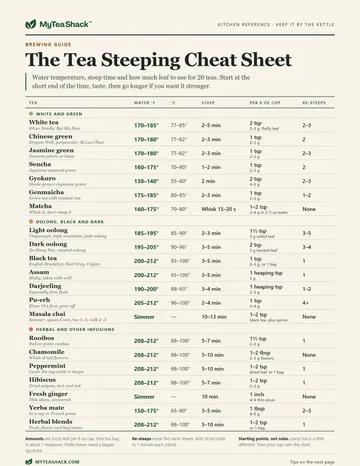
Free printable
The Tea Steeping Cheat Sheet
Water temperature, steep time and how much leaf to use for 20 teas, from sencha to rooibos, on one printable page. Plus five fixes for a bitter cup.