Kombucha Benefits: What the Research Actually Shows
What kombucha is, how it's made, and what current research says about its potential benefits for gut health, antioxidants and more.

In this guide · 7 sections
Kombucha is a fermented tea made by adding a SCOBY (a symbiotic culture of bacteria and yeast) to sweetened tea and letting it ferment for about a week. The process produces a tangy, lightly fizzy drink along with organic acids, small amounts of B vitamins, and some probiotic bacteria.
What Is Kombucha and Where Does It Come From?
Kombucha is thought to have originated in China or East Asia roughly 2,000 years ago before spreading through Asia and Europe and, more recently, into mainstream Western grocery stores. During fermentation, the SCOBY consumes the sugar in sweetened tea and produces organic acids that give kombucha its sour taste and create a mildly acidic environment.
Potential Health Benefits of Kombucha
Research on kombucha is still limited, and most of what exists comes from small studies in animals or lab settings rather than large human trials. Here's an honest look at what's been studied.
Gut Health
Kombucha contains probiotic bacteria and organic acids that may support a healthy gut microbiome. Some small studies in animals suggest it may help with digestive regularity, but human research is limited, and results don't automatically carry over from animals to people. If you have an existing digestive condition, talk to a doctor before using kombucha as a remedy.
Antioxidant Content
Kombucha contains polyphenols and other antioxidant compounds inherited from the tea it's brewed from. Antioxidants may help neutralize free radicals in the body, though drinking kombucha is just one small part of an overall diet's antioxidant intake.
Immune Support
Some early animal studies have looked at whether kombucha's polyphenols and probiotics can support immune cell activity. This research is preliminary, and there isn't yet strong human evidence that kombucha meaningfully boosts immunity.
Claims That Aren't Well Supported
You'll often see kombucha marketed as a cure for arthritis, a "liver detox," a weight-loss aid, or a treatment for acne and anxiety. These claims are based mostly on isolated animal or cell studies and shouldn't be taken as proven effects in people. Kombucha is not a treatment for arthritis, liver disease, anxiety disorders, or skin conditions, and it shouldn't replace medical care for any of these.
How to Add Kombucha to Your Diet
- Drink it straight, chilled, straight from the bottle.
- Dilute it with water if the tang is too strong for your taste.
- Add a splash to smoothies for extra flavor.
- Use it in a light marinade or vinaigrette in place of vinegar.
- Start small. If you're new to kombucha, begin with a few ounces a day and see how your stomach handles it, since the probiotics and acidity can cause temporary bloating in some people.
Store kombucha in the refrigerator and drink it within a few weeks of opening for the best flavor and quality.
Side Effects and Who Should Avoid Kombucha
- Kombucha contains a small amount of alcohol as a natural byproduct of fermentation. Commercial kombucha sold as a non-alcoholic beverage in the US is generally required to stay under 0.5% ABV, but homemade batches can end up higher and vary a lot.
- It also contains some caffeine, since it's brewed from tea.
- Store-bought and homemade kombucha both carry some risk of contamination if not fermented and stored properly, which can cause illness.
- Pregnant or breastfeeding people, those with compromised immune systems, and people with yeast or histamine sensitivities should talk to a doctor before drinking kombucha.
- If you brew kombucha at home, poor sanitation can lead to harmful bacterial or mold growth — commercial kombucha is generally the safer choice unless you're experienced with fermentation.
FAQ
Is kombucha good for you?
It can be part of a healthy diet in moderation, offering antioxidants and some probiotics, but it isn't a proven cure for any medical condition and shouldn't replace treatment or medication.
Does kombucha have alcohol in it?
Yes, trace amounts from fermentation — usually under 0.5% in commercial brands, though this can vary, especially in homemade batches.
Can kombucha help with weight loss?
There's no solid human evidence that kombucha causes weight loss. It contains some organic acids studied in animal models for metabolic effects, but this hasn't been confirmed in people.
The Bottom Line
Kombucha is a fermented tea with some antioxidant and probiotic content, and it can be a flavorful, lower-sugar alternative to soda. Just be skeptical of miracle-cure marketing — most of the bold health claims around kombucha come from small animal studies, not solid human research.
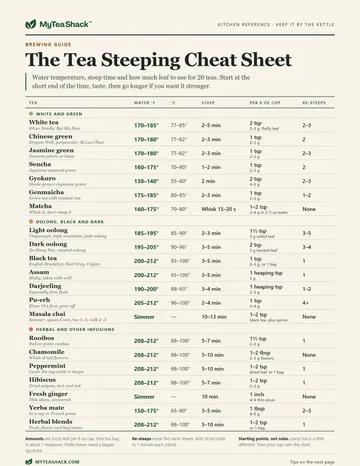
Free printable
The Tea Steeping Cheat Sheet
Water temperature, steep time and how much leaf to use for 20 teas, from sencha to rooibos, on one printable page. Plus five fixes for a bitter cup.