Pine Needle Tea Benefits: Immunity, Antioxidants and Taste
What pine needle tea is, the research behind its antioxidant and immune benefits, possible side effects, and how to brew a safe cup at home.

In this guide · 6 sections
Pine needle tea is a simple infusion made by steeping fresh pine needles in hot water. It has a long history as a folk remedy, and modern interest in it centers on its vitamin C content and antioxidant compounds. Here's what's realistic to expect from a cup, and what to watch out for.
What Is Pine Needle Tea?
The tea is brewed from the needles of tea-safe pine species, most commonly white pine (Pinus strobus). Steeping the needles releases a citrusy, slightly resinous flavor along with vitamin C, vitamin A, and plant compounds called flavonoids and terpenes.
Not all pines are safe to drink. Ponderosa pine, lodgepole pine, and yew (which isn't a true pine) contain compounds that can be harmful, especially during pregnancy. Only use needles you can positively identify as a tea-safe species, ideally from a supplier who confirms it.
Possible Benefits
- Vitamin C and antioxidants. Pine needles contain meaningful amounts of vitamin C, an antioxidant that also supports skin, connective tissue, and iron absorption, along with antioxidant flavonoids.
- May support the immune system. The vitamin C and flavonoid content is associated with general immune support, similar to other vitamin-C-rich herbal infusions, though there's no strong clinical evidence that pine needle tea specifically prevents colds or flu.
- May have mild anti-inflammatory effects. Lab studies on pine needle extracts have found anti-inflammatory and antimicrobial activity, but this hasn't been well studied in people drinking the tea itself.
- A caffeine-free alternative. Because it's naturally caffeine-free, it's an easy swap for anyone cutting back on caffeine in the evening.
Claims that pine needle tea treats arthritis, lowers blood sugar in people with diabetes, or cures respiratory infections go well beyond the current evidence and shouldn't be relied on for managing a medical condition.
Side Effects and Precautions
- Species matters. Only drink tea made from confirmed tea-safe pine needles (such as white pine). Misidentifying a tree is the biggest real risk with this tea.
- Pregnancy. Ponderosa pine and some related species contain isocupressic acid, a compound documented to cause late-term abortion in pregnant livestock that graze on the needles. Human data is lacking, but out of caution, skip pine needle tea entirely if you're pregnant or breastfeeding unless your doctor says otherwise.
- Allergies. If you have a known allergy or sensitivity to conifers, avoid it.
- Moderation. Stick to one or two cups a day. There's no established "therapeutic dose," so more isn't better.
- Medications and conditions. If you take prescription medication or manage a chronic condition, check with your doctor before adding a new herbal tea to your routine.
How to Make Pine Needle Tea
- Rinse a small handful of fresh, tea-safe pine needles to remove dust or debris.
- Chop the needles roughly to help release their oils.
- Add them to a mug or teapot and pour over water just off the boil (around 195°F).
- Steep for 5–10 minutes, then strain.
- Add honey or lemon if you'd like to soften the resinous edge.
If you're interested in other foraged or unusual leaf teas, see our guides to chaga tea and bamboo leaf tea.
FAQ
Is pine needle tea safe to drink every day?
In moderation (one to two cups), tea made from a confirmed tea-safe species is generally considered safe for most healthy adults. Avoid it during pregnancy.
Does pine needle tea really boost immunity?
It supplies vitamin C and antioxidants that support normal immune function, similar to citrus fruit, but there's no solid evidence it prevents illness on its own.
Which pine trees are safe for tea?
White pine is the most commonly recommended species. Avoid ponderosa pine, lodgepole pine, and anything you can't confidently identify.
What does pine needle tea taste like?
Most people describe it as citrusy and slightly piney, with a mild resinous note that mellows with honey or lemon.
The Bottom Line
Pine needle tea is a caffeine-free way to add vitamin C and antioxidants to your routine, as long as you use a confirmed tea-safe species and keep your expectations realistic. It's a pleasant seasonal infusion, not a treatment for any medical condition. For other everyday wellness options, see our guides on teas that support your immune system, the best teas for the respiratory system, and teas that may help with inflammation.
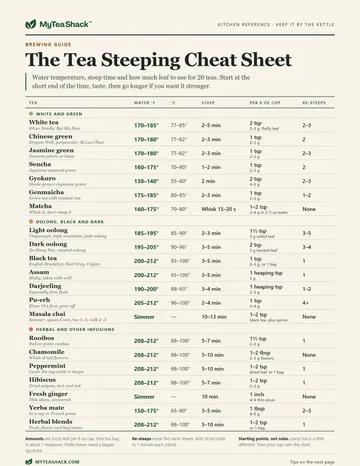
Free printable
The Tea Steeping Cheat Sheet
Water temperature, steep time and how much leaf to use for 20 teas, from sencha to rooibos, on one printable page. Plus five fixes for a bitter cup.