Best Tea for a Hangover: Soothe Your Head and Stomach
Which tea helps a hangover? Compare ginger, peppermint, chamomile, green and lemon tea for headache, nausea and dehydration relief.

In this guide · 6 sections
There's no tea that cures a hangover outright — as Cleveland Clinic notes, time is the only true cure, since symptoms resolve as your body processes alcohol and rehydrates. But the right cup can genuinely help with some of the symptoms, like nausea, headache and dehydration, along the way. Here's which teas help with what, and how to use them.
Why Tea Can Help With Hangover Symptoms
A hangover is your body's response to dehydration, inflammation, and the breakdown of alcohol's byproducts. Tea won't reverse that process, but warm fluids support hydration, and specific teas have properties that can ease individual symptoms like nausea or an upset stomach.
Best Teas for Hangover Symptoms
Ginger Tea for Nausea
Ginger is one of the best-studied natural remedies for nausea. It may help calm an upset stomach and reduce the urge to vomit, making it a solid first choice the morning after.
Peppermint Tea for Stomach Upset
Peppermint has antispasmodic properties that may relax the digestive tract, easing cramping, bloating and general stomach discomfort.
Chamomile Tea for Headache and Rest
Chamomile's calming effect may help with tension and make it easier to get more rest, which your body needs to recover.
Green Tea for a Gentle Caffeine Lift
Green tea contains a moderate amount of caffeine along with antioxidants, and can offer a gentler energy boost than coffee if grogginess is your main issue. Go easy, though: caffeine doesn't reverse dehydration and too much can make an already upset stomach worse.
Lemon Tea (or Lemon in Tea) for Hydration
Adding lemon to any of the above teas provides a bit of vitamin C and can make it easier to drink more fluid, which is one of the most important things you can do for a hangover.
A Simple Hangover Tea Routine
- Start with water — tea is a helpful addition, not a replacement for rehydrating.
- Sip ginger or peppermint tea for nausea and stomach discomfort.
- Add a squeeze of lemon and a little honey to taste.
- Follow with chamomile tea later if you need to rest.
- Eat something light and easy to digest alongside your tea.
Side Effects and Precautions
- Caffeinated teas (green, black) can worsen dehydration if you overdo it; balance with plenty of water.
- Ginger and peppermint are generally safe, but very large amounts can cause heartburn in some people.
- Avoid acetaminophen (Tylenol) while you still have alcohol in your system — combined with alcohol, it can strain the liver. Tea doesn't carry this risk.
- If your symptoms are severe, don't stop drinking fluids, and seek medical attention for signs of alcohol poisoning, such as confusion, vomiting that won't stop, or difficulty staying awake.
FAQ
What is the best tea for a hangover headache?
Chamomile or peppermint tea are common choices for easing headache-related tension, alongside plenty of water and rest.
Does green tea help a hangover?
Green tea's mild caffeine and antioxidants may help with grogginess, but it should be paired with water, not used as a substitute for rehydrating.
Can tea prevent a hangover?
No tea can prevent a hangover. The most effective prevention is drinking in moderation, alternating with water, and eating before and during drinking.
The Bottom Line
No tea will erase a hangover, but ginger, peppermint, chamomile and green tea can each ease specific symptoms like nausea, cramping and grogginess. Pair any of them with water, rest and food for the best recovery.
If your liver health is a bigger concern, see our guide to tea for liver cleansing and the best tea for fatty liver, or explore which tea helps digestion for more on soothing an upset stomach.
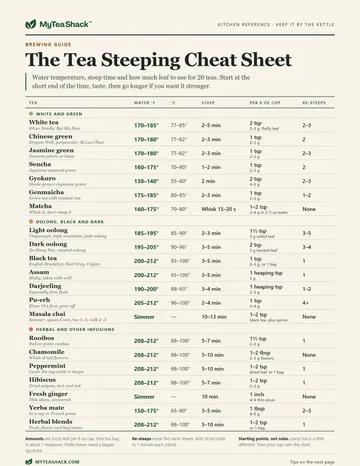
Free printable
The Tea Steeping Cheat Sheet
Water temperature, steep time and how much leaf to use for 20 teas, from sencha to rooibos, on one printable page. Plus five fixes for a bitter cup.