Tea for Liver Cleansing: The Best Herbal Teas to Try
The herbal teas most often used to support liver health, what the research actually says, and precautions to know before you start.

We may earn a commission when you buy through links in this guide, at no extra cost to you. How we make money.
In this guide · 5 sections
"Liver cleansing tea" is a popular search term, but it's worth being precise about what that means: no tea flushes toxins out of your liver overnight. What certain herbal teas can do is support the digestive and antioxidant processes your liver already relies on. Here are the herbs most associated with liver support, and what to know before adding them to your routine.
Why Liver Health Matters
Your liver filters your blood, produces bile to help digest fat, and handles hundreds of other functions your body needs to run well. Diet, alcohol, and certain medications all place demand on it, which is why liver-supportive habits — including some herbal teas — have a long history of use.
If you have a diagnosed liver condition (fatty liver, hepatitis, cirrhosis), talk to your doctor before relying on any herbal tea; these are medical conditions that need medical management, not a home remedy.
Herbal Teas Traditionally Used for Liver Support
Milk Thistle Tea
Milk thistle contains silymarin, a compound studied for its potential to protect liver cells from damage. It's one of the more researched herbs on this list, though most studies are small.
Dandelion Tea
Traditional use associates dandelion root and leaf with supporting bile flow and digestion. Animal studies suggest it may help protect the liver against fat buildup, though human research is limited.
Burdock Root Tea
Burdock root has diuretic and antibacterial properties and is traditionally used to support the body's natural filtering processes.
Green Tea
Clinical trials on green tea catechins in people with non-alcoholic fatty liver disease have found modest reductions in liver enzymes and liver fat, though researchers note the ideal dose and duration still aren't settled. Avoid it in large amounts if you have insomnia, ulcers, or are sensitive to caffeine.
Licorice Tea
Licorice root contains glycyrrhizic acid, associated in some studies with liver-protective effects. Don't drink it daily for extended periods: research on glycyrrhizic acid intake found that as little as 75 mg a day (roughly the amount in a couple of cups of strong licorice tea) measurably raised blood pressure within two weeks, so it isn't a good fit for anyone being treated for hypertension.
Chamomile Tea
Chamomile is a gentle, caffeine-free option with anti-inflammatory compounds and a long history of use for digestive comfort. Direct evidence for a liver-specific effect is lacking, so treat it as a soothing addition to a liver-support routine rather than something that acts on the liver itself.
Ginger and Lemon Tea
Both are commonly combined into one cup for digestive support. Ginger may ease nausea and support digestion, while lemon's vitamin C content supports general antioxidant intake. Neither has strong evidence for liver-specific effects on its own.
Peppermint and Nettle Tea
Both are traditionally used to support digestion and mild detox-adjacent processes like bile flow. Evidence for either having a direct liver effect is traditional rather than clinical.
A Note on Boldo
Boldo is sometimes included in liver-support blends, but it's a poor fit for this list: case reports link it to drug-induced liver injury, it can enhance the blood-thinning effect of warfarin, and it's generally advised against for anyone with liver or gallbladder disease. If a blend you're considering contains boldo, skip it or check with your doctor first — it isn't worth the risk for a "liver support" tea.
Side Effects and Who Should Avoid These Teas
- Existing liver or gallbladder disease. Talk to your doctor before using any of these herbs, since some (like licorice, and boldo in particular) can interact with liver medications or worsen certain conditions.
- Pregnancy. Several of these herbs (licorice, dandelion in high amounts) aren't well studied in pregnancy — avoid or check with your doctor first.
- Blood pressure medication. Licorice can raise blood pressure and interact with blood pressure medication; skip it if you're on treatment for hypertension.
- General caution. "Cleanse" teas are not a substitute for treating a diagnosed liver condition, and drinking large quantities in a short period isn't safer or more effective — it just increases the risk of an upset stomach.
Related guides: what "cleansing tea" really means and teas people use for fatty liver.
FAQ
Can tea really cleanse your liver?
Not in the sense of flushing out toxins overnight. Some herbal teas contain compounds studied for supporting liver function, but your liver does the actual filtering on its own.
Is there a tea that actually cleanses or detoxes the liver?
No single tea "detoxes" the liver the way marketing language implies. Your liver already neutralizes and clears toxins on its own; what herbal teas like milk thistle and green tea may do, per the small studies above, is support that existing process, not replace or accelerate it.
What is the best tea for liver health?
Milk thistle and green tea have the most research behind them, though neither is a treatment for liver disease.
How often should I drink liver-support tea?
One to two cups a day is a common, moderate amount. More isn't automatically better, and some of these herbs (like licorice) should be limited.
Can I drink liver-support tea to recover from drinking alcohol?
Staying hydrated and eating light food helps more than any specific tea. If you're concerned about your liver health after heavy drinking, see a doctor.
The Bottom Line
Herbal teas like milk thistle, dandelion, and green tea have genuine (if often modest) research behind supporting liver function, but none of them "cleanse" your liver the way marketing sometimes suggests. Use them as a supportive habit alongside a balanced diet, not a treatment, and check with your doctor if you have a diagnosed liver condition or take regular medication.
For more on related topics, see our guides to herbal teas for blood pressure, teas for kidney health, and teas for bloating and indigestion.
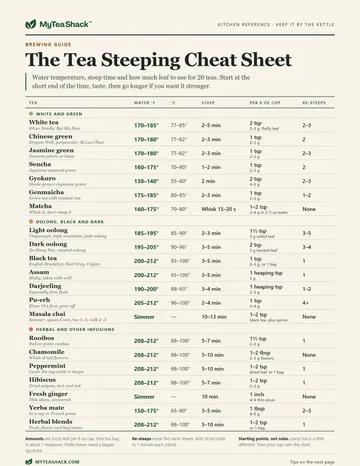
Free printable
The Tea Steeping Cheat Sheet
Water temperature, steep time and how much leaf to use for 20 teas, from sencha to rooibos, on one printable page. Plus five fixes for a bitter cup.