Best Teas for Cold and Flu Season Relief
The best teas for cold and flu symptoms, from ginger and licorice to lemon and honey, plus tips for prevention and easing congestion.

In this guide · 7 sections
Cold and flu season brings congestion, sore throats and general misery, and a warm cup of tea is one of the simplest ways to feel a bit better while your body fights it off. Certain herbal teas may ease specific symptoms, though none of them replace rest, fluids or medical care when you need it.
Why Tea Helps With Cold and Flu Symptoms
Warm liquids soothe a sore, irritated throat and help loosen congestion, which is part of why tea has long been a go-to home remedy. Beyond the warmth itself, several herbs have properties that may target specific symptoms:
- Ginger has anti-inflammatory compounds that may ease sore throat and nausea.
- Licorice root is a traditional expectorant used for cough and congestion.
- Thyme has antiseptic properties traditionally used for chest and throat infections.
- Lemon and honey combine vitamin C with honey's soothing, mildly antibacterial effect on a sore throat.
Best Teas for Cold and Flu Season
Ginger Tea
Ginger may help relieve nasal congestion, sore throat and stomach discomfort, and some people find it helpful for lowering a mild fever. Simmer fresh sliced ginger in water for 10 minutes, then strain and sip warm.
Licorice Root Tea
Used in both Chinese and European herbal traditions, licorice root is considered a soothing expectorant for cough and throat irritation. It's often blended with other cold-relief herbs.
Thyme Tea
Thyme has long been used for coughs and chest congestion. Steep a teaspoon of dried thyme in hot water for 10 minutes and strain before drinking.
Lemon and Honey Tea
Simple and effective: steep hot water with fresh lemon juice and a spoonful of honey. The vitamin C supports your immune system, while research reviewed by Mayo Clinic finds honey may ease cough frequency and severity, coating and soothing a scratchy throat. A Cochrane review backs this up, finding honey probably eases cough frequency better than no treatment.
Cinnamon Tea
Cinnamon has anti-inflammatory and antioxidant properties and pairs well with honey and lemon for a warming drink. Boil water and pour it over a cinnamon stick (or ¼ teaspoon ground cinnamon) and a squeeze of lemon juice, steep 5 minutes, strain, and stir in honey.
Anise Tea
Anise seeds contain compounds with mild expectorant properties that may help clear the airways. Boil 1 tablespoon anise seeds in 2 cups water for 2 minutes, then let steep 3 minutes off the heat, strain and sweeten. Don't overdo it, too much anise can have a laxative effect.
How to Make Cold and Flu Tea
- Bring water to a boil.
- Add fresh ginger slices, a teaspoon of dried thyme, or a licorice tea bag.
- Steep for 8–10 minutes, covered, to keep the beneficial oils from escaping with the steam.
- Strain, then stir in lemon juice and honey to taste.
- Drink warm, 2–3 times a day, while symptoms last.
Prevention Tips
Along with your tea habit, a few simple habits can help you avoid getting sick in the first place:
- Get an annual flu vaccine.
- Wash your hands frequently with soap and water.
- Cover coughs and sneezes with your elbow, not your hands.
- Avoid close contact with people who are sick.
- Keep frequently touched surfaces clean.
Side Effects and Precautions
Ginger, licorice and thyme teas are generally safe in normal culinary amounts, but a few cautions apply:
- Licorice root can raise blood pressure and, in large or long-term amounts, cause irregular heartbeat; it isn't recommended if you have high blood pressure, heart or kidney conditions.
- Honey should never be given to children under 1 year old due to the risk of infant botulism.
- If you're pregnant, check with your doctor before using licorice or thyme teas regularly.
- See a doctor if fever is high or persistent, symptoms last more than 10 days, or you have trouble breathing, these need medical treatment rather than home remedies.
A more unusual winter option is pine needle tea, a traditional foraged tea with a resinous, citrusy flavor.
FAQ
What tea is good for a sore throat?
Warm tea with lemon, honey and a bit of grated ginger is a simple, soothing option for a sore throat.
What is the best tea for a cold?
Ginger tea and lemon-honey tea are two of the most popular choices, easing congestion, sore throat and general discomfort.
Does tea help shorten a cold?
There's no strong evidence that tea shortens how long a cold lasts, but it can make symptoms more manageable while your immune system does the work.
Can I drink cold and flu tea every day?
Yes, in moderate amounts, ginger and lemon-honey tea are fine as a daily habit. Licorice tea is better used short-term due to its effect on blood pressure.
Is honey good for a cough?
Research reviewed by Mayo Clinic and Cochrane suggests honey can reduce cough frequency and severity, making it a reasonable gentle option for adults and children over one year old, though study quality varies.
The Bottom Line
Ginger, licorice, thyme, cinnamon, anise, and lemon-honey teas are comforting, low-risk ways to ease cold and flu symptoms while your body recovers. They work best alongside rest, hydration and, when needed, medical care, rather than as a replacement for either. For more immune-supporting ideas, see our guide to boosting your immunity with tea, and for stomach-specific relief try tea for nausea.
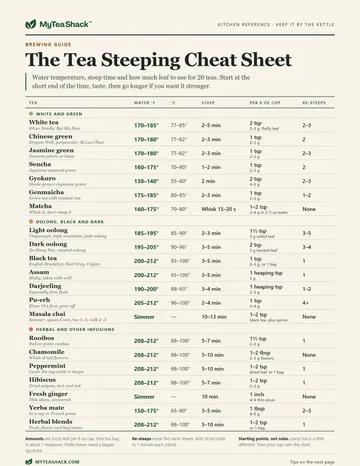
Free printable
The Tea Steeping Cheat Sheet
Water temperature, steep time and how much leaf to use for 20 teas, from sencha to rooibos, on one printable page. Plus five fixes for a bitter cup.