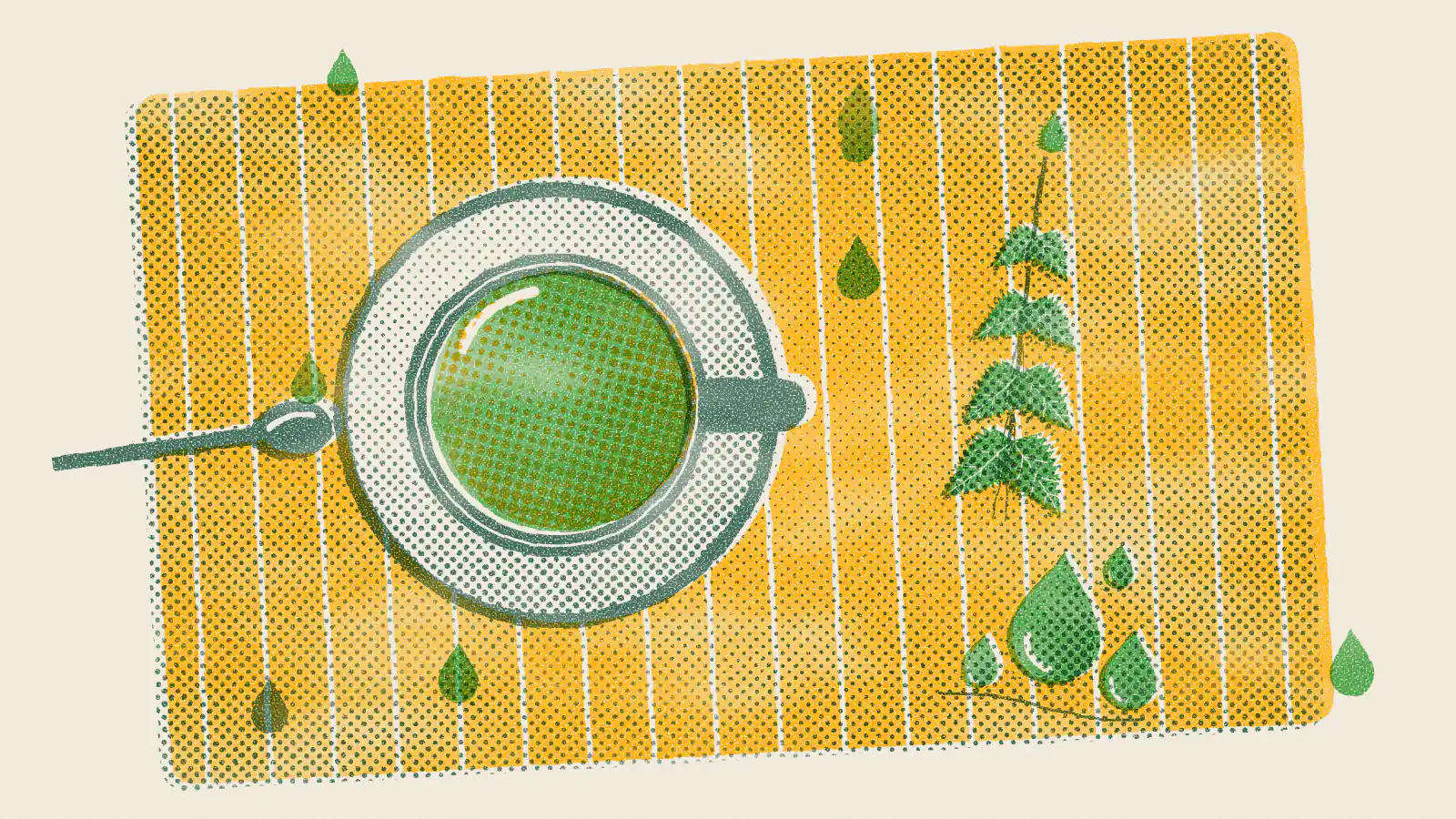
Is Tea Good for Allergies? Best Teas to Try
Find out which teas may ease seasonal and skin allergy symptoms, how they work, and what to watch for before adding them to your routine.

In this guide · 6 sections
Seasonal allergies bring sneezing, a stuffy nose and itchy eyes, and several herbal teas may help take the edge off. None of them replace antihistamines or a doctor's advice, but a warm cup can be a comforting, low-risk addition to your routine.
Why Allergies Happen
Allergy symptoms show up when your immune system overreacts to something harmless, like pollen, dust or pet dander, and releases histamine. That's what causes the sneezing, itching and congestion that make spring and fall miserable for many people.
Herbal Teas That May Help With Allergies
Green Tea
Green tea contains catechins, including EGCG, which lab research suggests may help block histamine release. Some people find that two or three cups a day makes seasonal symptoms feel more manageable, though it's not a substitute for medication during a bad flare-up.
Chamomile Tea
Chamomile has calming, anti-inflammatory properties that may soothe an irritated throat or sinuses. Skip it if you're allergic to ragweed or related plants, since chamomile is part of the same plant family and can trigger a reaction in sensitive people.
Peppermint Tea
Peppermint's menthol content may help open up a stuffy nose and has mild antibacterial and anti-inflammatory properties, which is why it's a common pick during allergy season and colds alike.
Rooibos Tea
Rooibos is naturally caffeine-free and rich in antioxidants. Some early research points to a mild antihistamine-like effect, and unlike many allergy medications, it won't make you drowsy.
Nettle Tea
Stinging nettle is one of the more studied herbal remedies for allergic rhinitis. A small, double-blind, placebo-controlled trial of freeze-dried nettle found it performed better than placebo for allergy symptoms, and it's generally been well tolerated in that kind of study, though larger, more recent trials are still needed to confirm how well it works and at what dose.
Turmeric Tea
Turmeric's active compound, curcumin, has anti-inflammatory properties that early research links to milder allergy and asthma symptoms. Evidence in humans is still limited, so think of it as a supportive habit rather than a treatment.
Tea for Skin Allergies
For mild skin irritation, itching or redness from a rash, insect bite or contact allergy, a cooled tea compress can be soothing:
- Chamomile tea: Brew a strong cup, let it cool, soak a clean cloth, and hold it against the affected area for 10–15 minutes.
- Lemon balm (Melissa) tea: Has anti-inflammatory and antimicrobial properties; use the same compress method.
- Nettle tea: Rich in flavonoids that may calm itching from hives or insect bites when applied as a cooled compress.
These are comfort measures, not treatment for a spreading rash, hives that won't go away, or any sign of a serious allergic reaction — see a doctor for those.
Side Effects and Precautions
Herbal teas are generally safe in normal amounts, but a few things to keep in mind:
- Some teas can interact with antihistamines or other medications, so check with a pharmacist or doctor if you take daily allergy medication.
- If you're pregnant, breastfeeding, or managing a chronic condition like high blood pressure or diabetes, talk to your doctor before adding new herbal teas to your routine.
- Anyone with a known plant allergy (ragweed, daisies) should be cautious with chamomile.
- Tea is not a substitute for treatment of asthma, severe sinusitis, or a serious allergic reaction — seek medical care for those.
FAQ
When is allergy season worst?
In most of the US, tree and grass pollen peak from April through June, with a second wave from ragweed in late summer and early fall.
Can tea cure my allergies?
No. Tea may ease mild symptoms alongside your normal allergy care, but it doesn't treat the underlying immune response the way medication or allergy shots can.
Which tea is best for a stuffy nose from allergies?
Peppermint and ginger tea are popular choices for opening up nasal passages, often combined with honey for extra soothing.
The Bottom Line
Teas like green tea, chamomile, nettle and rooibos may take the edge off mild seasonal or skin allergy symptoms thanks to their antioxidant and anti-inflammatory properties. They work best as a gentle complement to your regular allergy care, not a replacement for it, and it's worth checking with a doctor if you're on medication or pregnant.
For more on choosing a tea for your symptoms, see our guides on teas for respiratory health, teas for inflammation, boosting immunity with tea and the healthiest herbal teas.

Free printable
The Tea Steeping Cheat Sheet
Water temperature, steep time and how much leaf to use for 20 teas, from sencha to rooibos, on one printable page. Plus five fixes for a bitter cup.