Oolong Tea Benefits, Side Effects and How to Make It
What are oolong tea's benefits? Learn what research says about heart, brain and bone health, plus side effects and a simple iced tea recipe.
We may earn a commission when you buy through links in this guide, at no extra cost to you. How we make money.
In this guide · 6 sections
Oolong tea sits between green and black tea in processing, since its leaves are only partially oxidized. That middle ground gives it a flavor profile (and an antioxidant makeup) that combines qualities of both, which is part of why it's gained a following well beyond China, where it originated. For how it fits among the other true teas, see what tea is and its six main types.
Oolong is sometimes called "blue tea" in Chinese, not because of its color, but from a translation quirk: the word used for its shade can mean either green or blue. Its English name, "oolong," comes from a related term meaning "black dragon," referring to how the leaves darken slightly during processing.
Benefits of Oolong Tea
Heart Health
Oolong tea's antioxidants are associated with healthier cholesterol and blood pressure levels in some research, which may help support long-term heart health. Regular tea drinking overall is linked to a lower risk of cardiovascular issues in several population studies, though oolong tea should be seen as one part of a heart-healthy lifestyle, not a treatment.
Blood Sugar Support
Research on oolong tea and blood sugar is mixed. A small clinical study found it lowered blood glucose in people with type 2 diabetes, but other human trials found no benefit, and one long-term study in Japanese men even linked higher oolong intake to a greater rise in fasting glucose over time. A 2025 pharmacological review of tea and diabetes describes the overall evidence for oolong as inconsistent and low quality. If you have diabetes or prediabetes, talk to your doctor about how tea might fit into your overall management plan — don't rely on it to lower blood sugar, and don't use it as a substitute for prescribed treatment or monitoring.
Stress and Focus
Research suggests oolong tea may help ease physical markers of stress without the jittery side effects some people get from coffee. Its moderate caffeine content, paired with calming compounds like L-theanine, may support focus during study or work.
Brain Health
The combination of caffeine, antioxidants, and amino acids in oolong tea is associated with supporting mood and cognitive function in some studies. Long-term research on tea drinking more broadly links regular consumption to a lower risk of age-related cognitive decline, though oolong-specific research is still limited.
Bone Health
Antioxidants in oolong tea may help support bone mineral density over time, which is worth noting given how common bone density loss becomes after age 50.
Skin Health
Oolong tea's polyphenols have anti-allergenic and anti-inflammatory properties that some research links to easing skin irritation, including symptoms of eczema, and reducing acne-related inflammation.
Weight Management
Oolong's polyphenols may support fat metabolism and are sometimes used as part of a weight-management routine. As with other teas, it works best alongside a balanced diet and regular exercise, not as a stand-alone solution.
Nutritional Value
Oolong tea is naturally rich in antioxidants and contains small amounts of vitamins A, B, C, E, and K.
How to Make Iced Oolong Tea
- Boil water. Use fresh, filtered water for the best flavor.
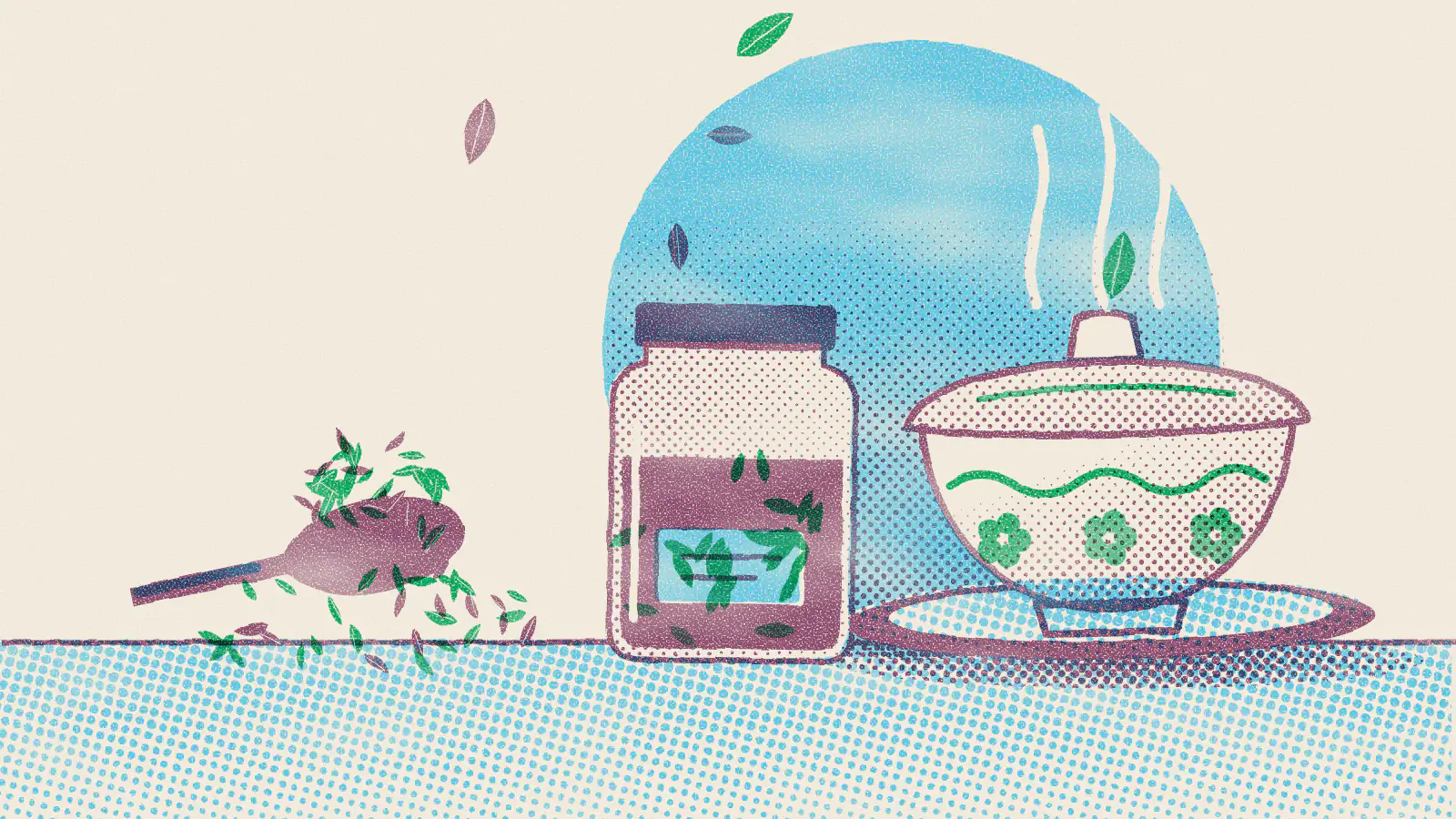
- Steep. Add about 1 tablespoon of oolong tea leaves per 250 ml (1 cup) of hot water. Steep for 3–4 minutes.
- Strain. Remove the leaves once steeping is done, since oversteeping can turn oolong bitter.
- Sweeten (optional). Add sugar or honey while the tea is still warm so it dissolves easily.
- Add ice. Pour over ice and serve. Using ice made from filtered water keeps the flavor from getting diluted or muddy.
For a good starting point, Buddha Teas' oolong tea is organic and easy to brew either hot or iced.
Side Effects and Precautions
Oolong tea contains caffeine, and drinking too much can cause headaches, anxiety, insomnia, an upset stomach, or a fast heartbeat. Oolong is relatively low in oxalate compared with black tea, but if you have kidney disease, are prone to kidney stones, are pregnant, or have stomach ulcers, talk to your doctor before making oolong tea a regular habit — caffeine and fluid intake both need individual attention in kidney disease. Avoid it close to bedtime if you're sensitive to caffeine.
If weight management is why you're looking at oolong, see what the research says about oolong and your waistline.
FAQ
What is the best time to drink oolong tea?
Many people prefer it about an hour after breakfast rather than on an empty stomach, since its antioxidant content can feel harsh on an empty stomach for some. Avoid it within a couple of hours of bedtime because of its caffeine content.
Should I drink oolong tea before or after meals?
It's generally better to wait about an hour after eating, since oolong's polyphenols can interfere with iron absorption from food if taken too close to a meal.
How much oolong tea can I drink per day?
Two to three cups a day is a common amount for healthy adults, though tolerance varies by person. Pay attention to how you feel, and cut back if you notice sleep issues or jitteriness.
The Bottom Line
Oolong tea offers a flavorful middle ground between green and black tea, along with antioxidants that may support heart, brain, and bone health. Keep an eye on your caffeine intake, and check with your doctor if you're pregnant, managing diabetes, or have kidney concerns. For more caffeinated options, browse our best oolong teas list, or see green tea side effects if you're comparing types.
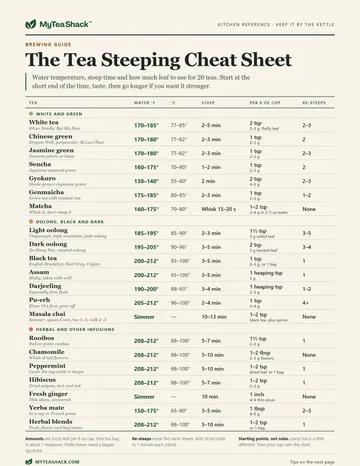
Free printable
The Tea Steeping Cheat Sheet
Water temperature, steep time and how much leaf to use for 20 teas, from sencha to rooibos, on one printable page. Plus five fixes for a bitter cup.