Benefits of Drinking Hot Tea for Your Health
Discover the potential benefits of drinking hot tea, from antioxidants and appetite support to relaxation, plus a few things to watch for.
In this guide · 5 sections
There's more to a hot cup of tea than comfort. Beyond the ritual, hot tea offers antioxidants, gentle hydration and a calming effect that cold or sugary drinks often can't match.
Why Drink Tea Hot?
Steeping tea in hot water helps release more of its antioxidants and flavor compounds than a cold brew typically does. Many people also find that a warm drink is naturally easier to sip slowly, which can support a more mindful approach to snacking and meals.
Potential Benefits of Hot Tea
Rich in Antioxidants
Tea, hot or iced, is one of the richest common dietary sources of antioxidants called polyphenols, which are associated with lower oxidative stress in the body.
May Help Manage Cravings
Sipping a warm, calorie-free tea between meals can help fill the gap when you'd otherwise reach for a sugary snack, and it supports steady hydration throughout the day.
May Support a Healthy Routine Alongside Weight Management
Swapping high-calorie or sugary drinks for unsweetened hot tea is a simple way to cut calories without feeling deprived, which can support weight management goals when combined with a balanced diet and regular activity.
May Support Digestion
A warm drink after a meal is a traditional way to support digestion, and herbal varieties like peppermint or ginger tea are commonly used for mild digestive discomfort.
Naturally Calming
Herbal teas like chamomile are commonly used to unwind and support relaxation, which can indirectly support better sleep habits when enjoyed in the evening.
May Support Heart Health
Regular green tea consumption is associated with a small reduction in total and LDL cholesterol, according to NCCIH, as part of an overall healthy lifestyle. Tea is not a treatment for existing heart disease or high blood pressure.
Side Effects and Precautions
- Drinking beverages very hot (scalding, not just warm) over many years has been associated with a higher risk of esophageal damage and cancer, an effect noted for mate tea by Memorial Sloan Kettering and considered likely to apply to other very hot drinks; let tea cool to a comfortably warm temperature before drinking.
- Caffeinated teas can affect sleep or cause jitteriness if you're sensitive — opt for herbal, caffeine-free varieties in the evening.
- If you have high blood pressure, heart disease or another chronic condition, talk to your doctor about how tea fits into your treatment plan rather than relying on it as a substitute.
FAQ
Is hot tea better for you than iced tea?
Both offer antioxidants, but hot tea tends to release slightly more of them during steeping. Iced tea is a fine alternative, especially if it helps you drink more of it.
Can hot tea help me lose weight?
It may offer modest support by replacing higher-calorie drinks and helping manage cravings, but it works alongside — not instead of — a balanced diet and exercise.
What's the best hot tea for relaxation?
Chamomile and other caffeine-free herbal teas are popular choices for winding down in the evening.
The Bottom Line
Hot tea is a comforting, low-calorie way to get antioxidants, support hydration and take the edge off cravings. Let it cool to a safe, comfortable temperature, choose caffeine-free options in the evening, and check with a doctor if you're managing a heart or blood pressure condition.
For more, see our guides on the benefits of tea, tea to relax, boosting immunity with tea and teas for energy and focus.
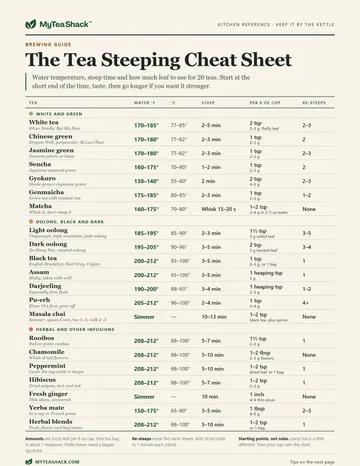
Free printable
The Tea Steeping Cheat Sheet
Water temperature, steep time and how much leaf to use for 20 teas, from sencha to rooibos, on one printable page. Plus five fixes for a bitter cup.